Underground and between cliffs are two of the few places in Europe that stay cool in August, which makes caves and gorges unusually useful summer destinations. Several of them are also among the more remarkable things on the continent.
Which are the great show caves?
Postojna in Slovenia, entered by an underground railway and among the largest accessible cave systems in the world. Skocjan nearby, with an underground canyon. The Cuevas del Drach in Mallorca, with an underground lake. Aggtelek in Hungary and Slovakia.
What about the painted caves?
The finest are largely closed for conservation, which is the honest position. Lascaux and Altamira are visited as replicas, which are faithful and worth seeing. Several genuine painted caves in the Dordogne and northern Spain admit limited numbers, and booking far ahead is necessary.
Which gorges can you walk?
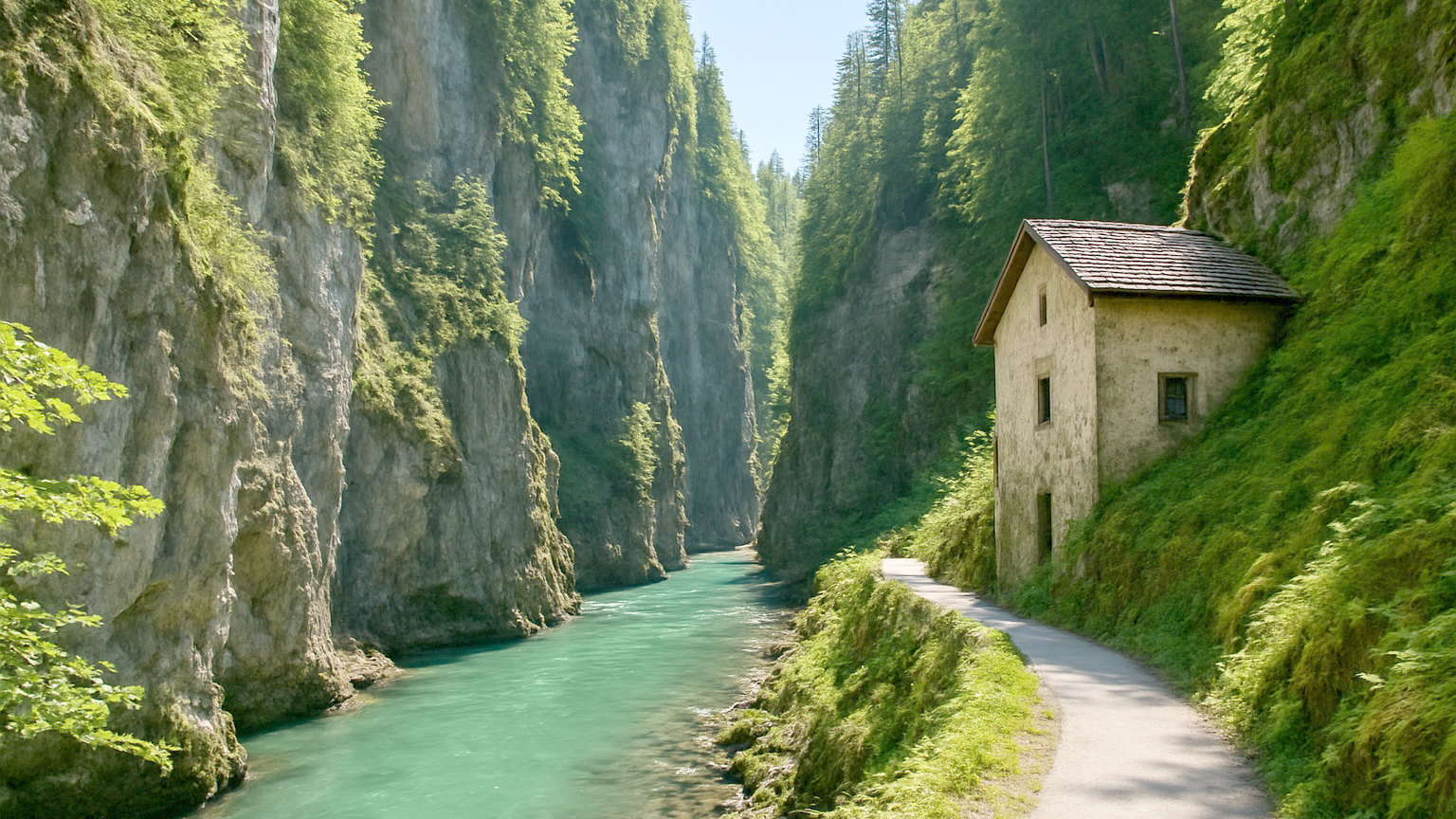
Samaria in Crete, sixteen kilometres downhill to the sea and among the great European day walks. The Verdon in France, the deepest in Europe. Vikos in northern Greece. The Tara canyon in Montenegro. Imbros in Crete as a shorter alternative to Samaria.
How demanding are they?
More than most people expect. Samaria takes five to seven hours on uneven ground and there is no way out once started. Proper footwear, water and an early start are necessary rather than advisable, and the gorge closes in winter and in bad weather.
Is there a flood risk?
Yes, and it is the main safety consideration. Gorges flood quickly after heavy rain, which is why several close formally in autumn and winter and why local closures should be taken seriously. Never enter a gorge during or immediately after rain.
Which are easier?
The Verdon, which can be driven around with viewpoints, and where boats and pedalos access the water. The Tara canyon by rafting. The Caminito del Rey in Spain, a walkway pinned to a gorge wall, which is spectacular and takes around three hours with a booked entry.
What is the temperature underground?
Consistently around ten degrees in most European show caves regardless of the season, which is why a jacket is needed even in August. Several caves are damp and the paths can be slippery, so proper shoes matter more than in an ordinary attraction.
When should you go?
Caves in summer, when the cool is welcome and the surface is unbearable. Gorges in spring and autumn, when the temperature is manageable and the water is flowing. Both are busiest in July and August, and both book out at the popular sites.
Are they suitable for children?
Show caves generally, with the caveat that some involve many steps and a few are unsuitable for pushchairs. Gorge walks depend on the length: Imbros or the Caminito suit older children, and Samaria is a long day for anyone under about twelve.
Are the caves accessible?
More than expected at the largest. Postojna is entered by train and has a route suitable for wheelchairs and pushchairs for part of its length, and several major show caves have accessible sections. Smaller caves frequently involve many steps and narrow passages.
Which gorges can you swim in?
Several, and it is among the better ways to spend a hot afternoon. The Verdon has swimming at Lac de Sainte Croix, the Tara at various points, and canyoning is offered in gorges across Slovenia, Montenegro and Crete with guides and equipment provided.
Do you need to book?
At the major show caves in summer, yes, since entry is by timed guided tour with a fixed group size. The Caminito del Rey books out weeks ahead. Painted caves with limited access require booking months in advance and sometimes a ballot.
Anyone weighing this up will also want Where Are Europe Best Preserved Old Towns?, along with the rest of the Inspiration section.
The short answer
Postojna and Skocjan are the great show caves, Lascaux and Altamira are seen as replicas, and Samaria, the Verdon and the Caminito del Rey are the best gorges. Caves stay around ten degrees so take a jacket, and never enter a gorge after heavy rain.