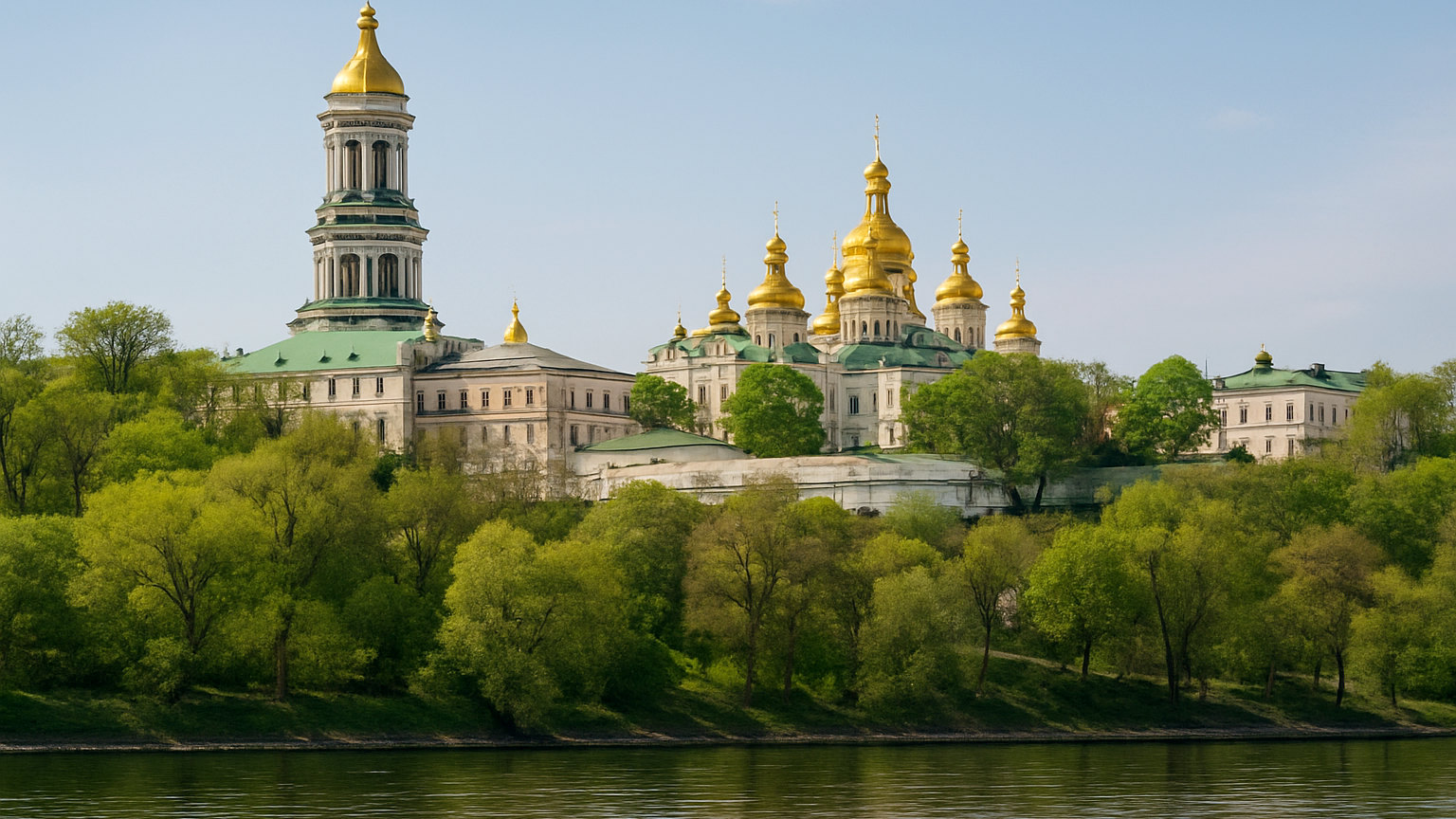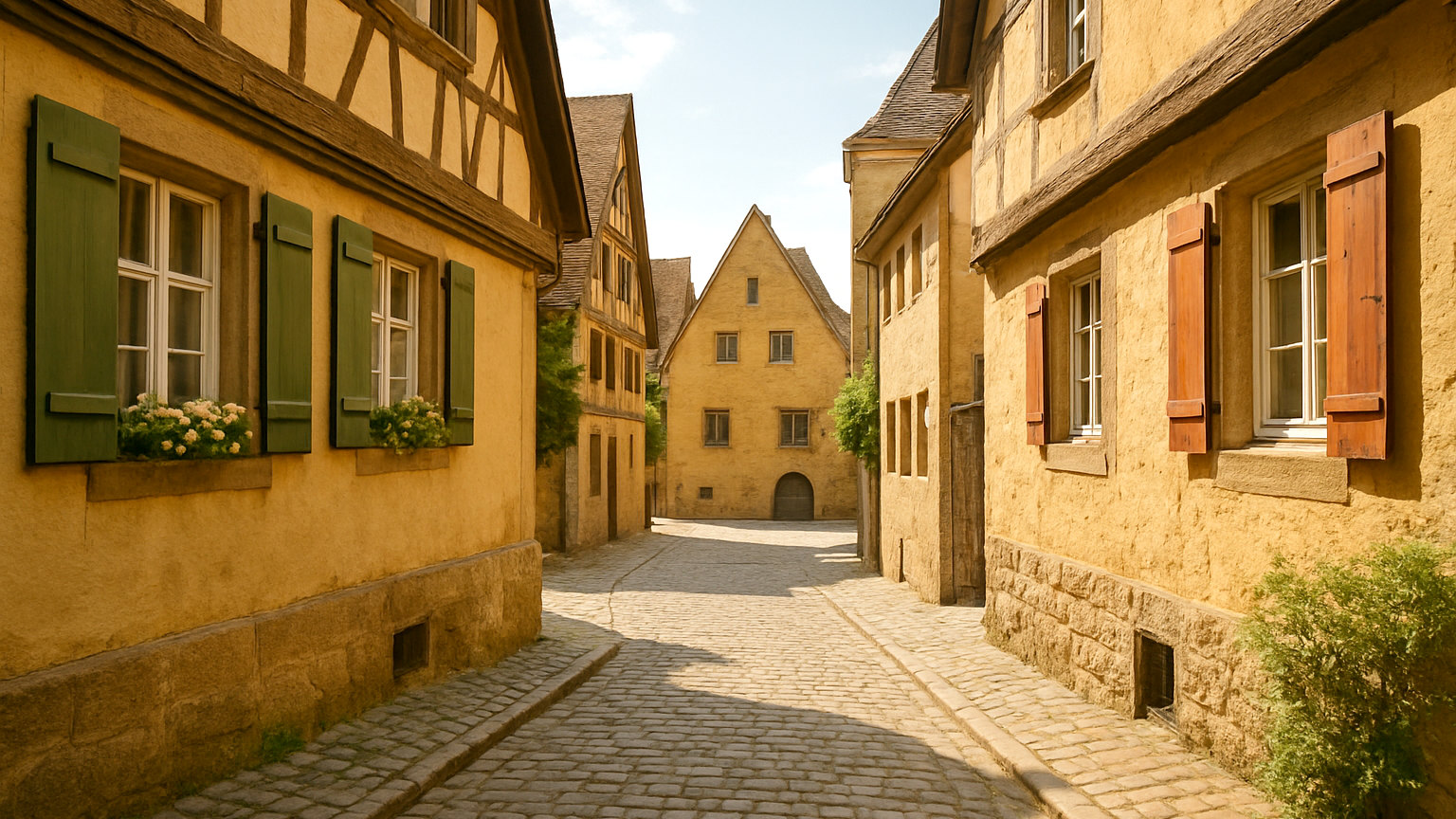
Complete historic towns are rarer than the photographs suggest, since most European centres were damaged, rebuilt or modernised. The ones that survived intact did so through accident or poverty, and several of the best preserved receive a fraction of the visitors the famous ones do.
Which are the famous ones?
Bruges, Rothenburg ob der Tauber, Cesky Krumlov, Dubrovnik, Carcassonne and Sighisoara. All are genuinely remarkable and all are extremely busy between ten and six in summer, which is the single thing to plan around.
Which are the underrated equivalents?
Ghent rather than Bruges, which is comparable and considerably quieter. Bamberg, Quedlinburg and Goslar in Germany. Telc and Olomouc in Czechia. Trogir and Korcula in Croatia. Alberobello and Matera in southern Italy.
Each has the same quality with a fraction of the coaches.
What about walled towns?
Avila in Spain, with the most complete medieval walls in Europe. Obidos in Portugal. Carcassonne, heavily restored in the nineteenth century. Dubrovnik, whose walls can be walked in full. Visby in Sweden. Monteriggioni in Tuscany, small and complete.
Why did some survive?
Frequently because the town declined. Bruges was preserved because its harbour silted up and the money left, Cesky Krumlov because it was remote, and several Italian hill towns because the railway went elsewhere. Prosperity rebuilt towns; stagnation preserved them.
Which are still working towns?
An important distinction. Ghent, Bamberg, Olomouc and Girona have historic centres and a resident population going about ordinary business. Others function largely as attractions, which is pleasant to visit and quite different to be in.
When should you visit?
Early morning and evening, and ideally overnight. Small old towns fill with day visitors between ten and six and empty entirely afterwards, so staying the night gives you the place to yourself at both ends of the day. This matters more here than anywhere.
Which are best out of season?
All of them, and particularly those on cruise or coach routes. Dubrovnik in November, Bruges in February and Cesky Krumlov in March are calm, cheap and entirely different from their summer selves.
Where are the best concentrations?
Tuscany and Umbria, where every hill has a walled town. Franconia and Saxony in Germany. Bohemia and Moravia in Czechia. The Alentejo in Portugal. Andalusia, for the white villages. In each, three or four towns sit within an hour of each other.
How long do you need?
An afternoon and an evening for most, since the pleasure is walking rather than ticking off sights. A night is better than a day trip almost without exception, and two nights suits the larger ones such as Ghent or Matera.
Are they expensive to stay in?
Less than the day-trip crowds suggest, since visitor money concentrates in restaurants and shops rather than hotels. A night in Bruges, Telc or Trogir is frequently cheaper than the nearest city, and it buys the town at its quietest.
What about the white villages?
A distinct southern tradition worth knowing separately. The pueblos blancos of Andalusia, the hill towns of Puglia and the Cycladic villages are all whitewashed rather than medieval-walled, and they photograph and feel entirely different from northern European old towns.
How do you find the quiet ones?
Look one town along from the famous one, since the coach routes are fixed and the town next door frequently has the same architecture. Ghent beside Bruges and Telc beside Cesky Krumlov are the pattern, and it repeats across most of Europe.
Are they walkable?
Almost always, and frequently pedestrianised, though cobbles and hills make them harder with luggage or limited mobility than they look. Parking is usually outside the walls, which is worth checking before arriving by car.
Which Memorials and Historic Sites Are Worth Visiting? goes into more detail on a closely related question, and the rest of our Inspiration section covers the wider subject.
The short answer
Bruges, Rothenburg, Cesky Krumlov and Dubrovnik are the famous ones; Ghent, Bamberg, Telc, Trogir and Matera are the quieter equivalents. Stay overnight rather than visiting for the day, since these towns empty completely after six and are best at either end of it.