The commonest mistake on a first European trip is trying to see too much of it. Europe is smaller than it looks and slower than it looks, and the difference between two cities and five is the difference between a holiday and a transit exercise.
How many places should you visit?
Two on a week, three on ten days, four on a fortnight. Every move costs the best part of a day once packing, travelling and finding your bearings are counted, and the places you remember are the ones where you stayed long enough to stop navigating.
Which cities are the classics?
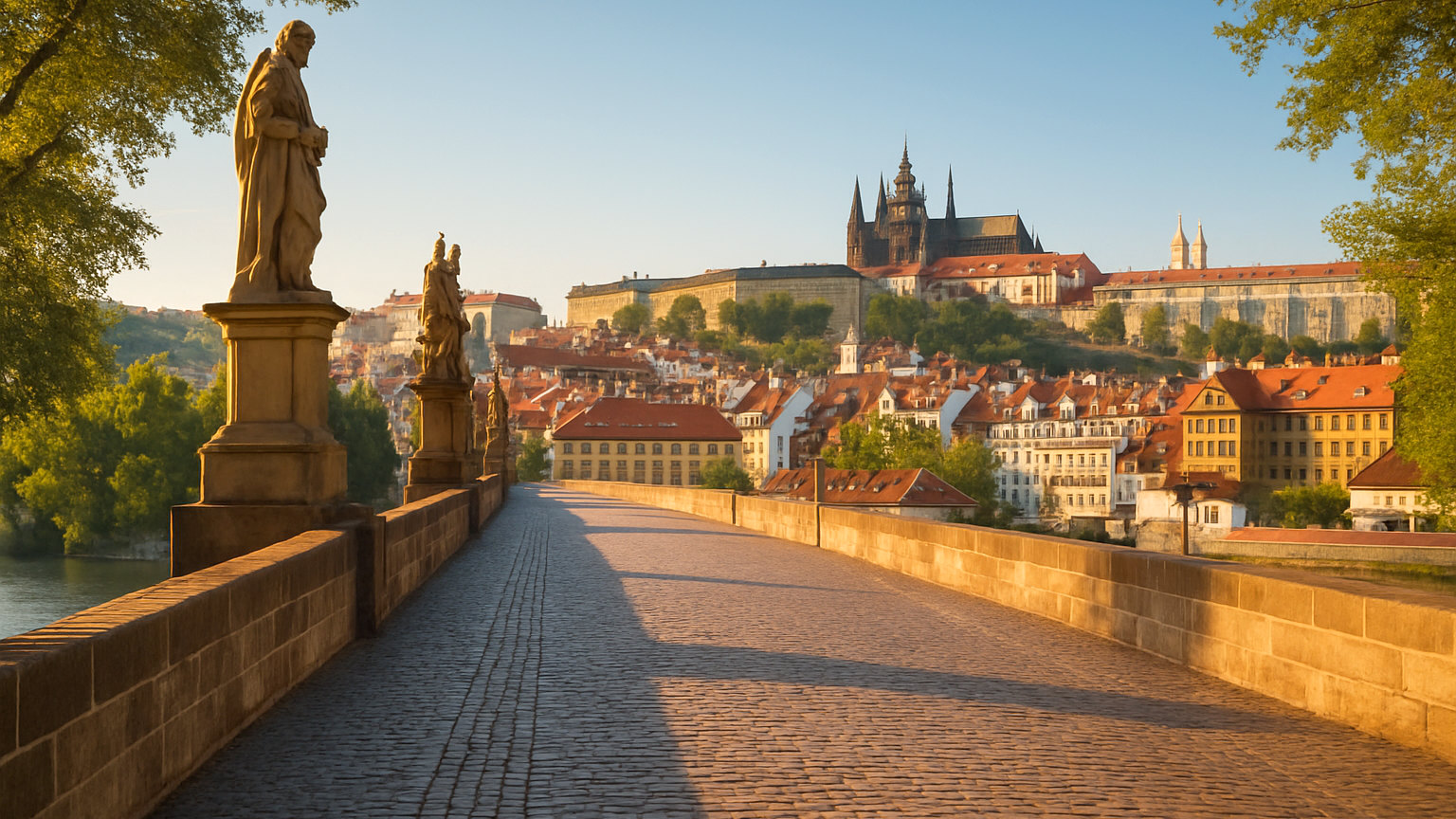
Paris, Rome, Barcelona, Amsterdam and Prague, which are famous for reasons that hold up. All five are walkable, well connected, used to visitors and dense enough that three days is not enough. There is no need to be original on a first trip.
Which pair best?
Cities close enough to link by train in under four hours. Paris and Amsterdam, Rome and Florence, Barcelona and Madrid, Prague and Vienna, Vienna and Budapest. Flying between European cities is frequently slower than the train once airports are counted.
What should you leave for later?
Anything requiring logistics: island hopping, a hire car in a country where you do not read the signs, multi-centre itineraries with tight connections, or remote regions with thin transport. These are excellent trips and they are not first ones.
What is the best time to go?
Late April to early June, or the second half of September. Both give good weather, manageable crowds, prices below the peak and long daylight. July and August are hot, busy and expensive, which makes a first trip harder than it needs to be.
How much should you plan?
Book the travel, the accommodation and anything with timed entry that sells out. Leave the rest. One fixed thing a day is the balance most people find works, and an over-planned first trip removes the ability to change your mind.
What about the language?
Less of an obstacle than expected in the major cities, where English is widely spoken in anything tourism-facing. Learning please, thank you and hello in the local language is worth the ten minutes and is noticed.
Which is the easiest country?
The Netherlands, Ireland or Portugal for a first trip: compact, English widely spoken, excellent transport and manageable costs. Italy and Spain are marginally more effort and offer more.
What should you expect to get wrong?
Packing too much, walking further than anticipated and underestimating how long museums take. All three are normal and none of them spoils a trip. Comfortable shoes matter more than almost anything else you pack.
What makes the difference?
Staying somewhere central enough to walk back to, eating where residents eat rather than beside the sights, and leaving at least one day unplanned. Those three do more for a first trip than any itinerary.
How much should you budget?
More for the cities than for the travel, since accommodation dominates. Choosing Prague or Lisbon over Paris or Amsterdam changes the total considerably for a similar experience, which is worth knowing before committing to the famous pairing.
Should you book a tour or go independently?
Independently, in western Europe, where the transport is straightforward and English is widely spoken. Organised tours suit tighter budgets of time and confidence, and they cost more and move faster than most people want on a first visit.
What about combining a city with a coast?
The structure most people settle on after a first trip and worth considering immediately. Barcelona with the Costa Brava, Lisbon with Cascais, Athens with an island or Naples with the Amalfi Coast each give a city and a rest without a long journey between them.
If you are planning further, Which European Sites Are Worth Queueing For? covers the next part of the decision, and there is more in our Inspiration guides.
The short answer
Two cities in a week and three in ten days, linked by train rather than flights. Take the classics, go in May or September, book only what sells out, and stay central enough to walk home. Leave hire cars and island hopping for a second trip.