Queueing is the currency of European sightseeing in summer, and it is worth spending on some things and not others. The useful distinction is whether the site is something you move through, which rewards the wait, or something you look at, which usually does not.
Which are worth it?
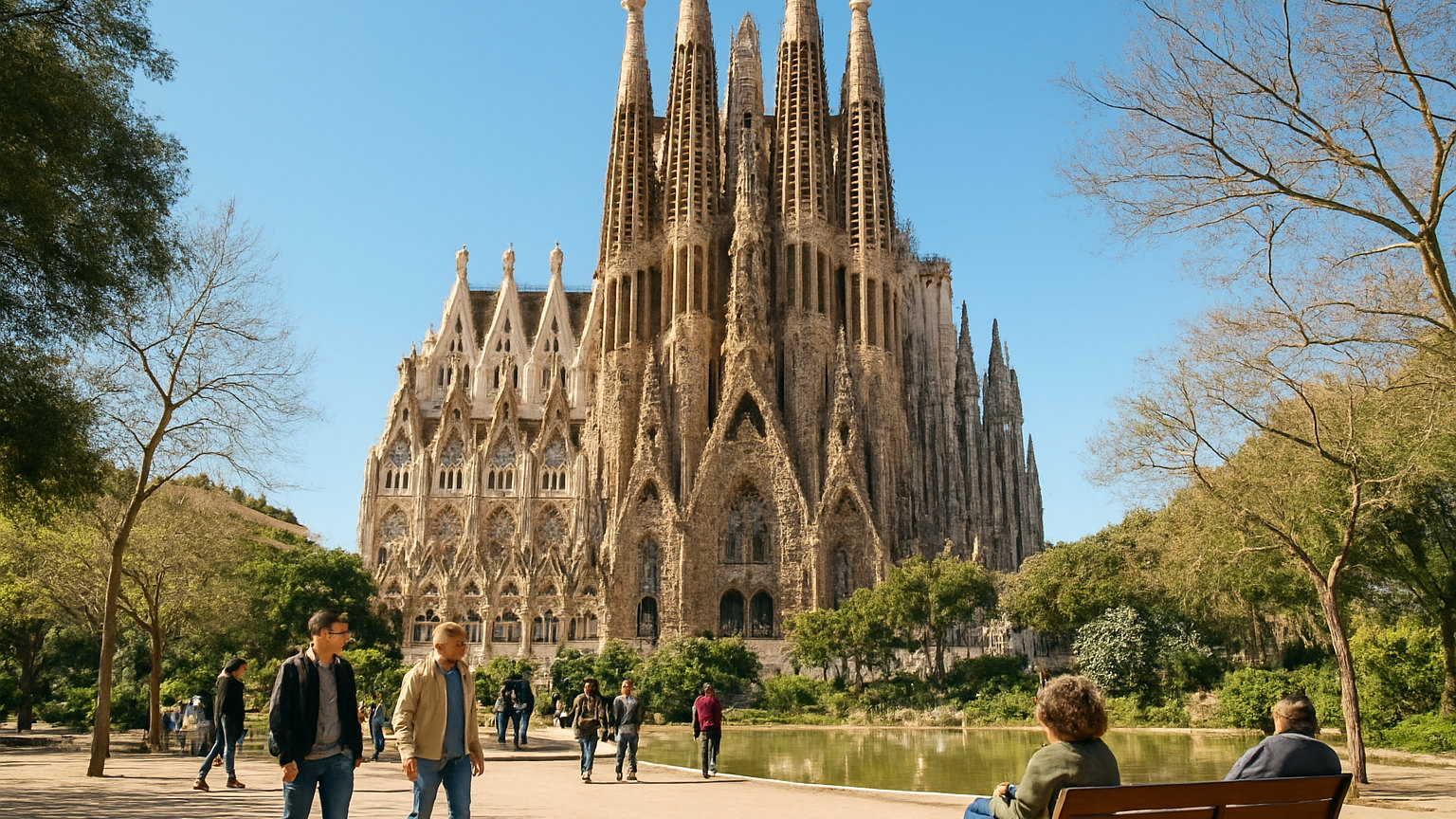
The Alhambra, which takes three hours and is among the finest buildings in Europe. The Sagrada Familia, whose interior is the entire point. The Vatican Museums, for the sheer accumulation. The Acropolis, for the setting as much as the ruins. Pompeii, which is a town rather than a site.
All five are experiences rather than objects, which is why the wait is repaid.
Which are not?
Anything where the crowd stands in front of a single item. The Mona Lisa queue, which delivers a distant glimpse. The Blue Grotto at Capri in peak season, which can mean hours of waiting for a few minutes. Several viewpoints where the view is identical from a free spot nearby.
How do you avoid queueing at all?
Book a timed ticket in advance, directly with the attraction where possible, and take the first slot of the day. Most major European sites now use timed entry, and the queue is largely for those who did not book.
Does skip the line work?
Sometimes, and the term is used loosely. At some sites it is a separate entrance; at others it means the same queue with a ticket already bought. Read what is actually included rather than the phrase.
Are guided tours a way in?
Frequently the most effective, since tours often enter through a separate door with a reserved allocation. At a few sites a tour is the only way to access certain areas. The cost is higher and the time saved in July can be substantial.
What about the free days?
Many European state museums are free on set days, commonly the first Sunday of the month in Italy and France. These cannot be booked and produce long queues, so arriving before opening is necessary to benefit.
Which sites limit numbers?
Several, and it improves them considerably. The Borghese Gallery caps visits at two hours, the Alhambra limits entries to the Nasrid Palaces by slot, and Lascaux and Altamira restrict access to replicas for conservation. Where numbers are capped, book well ahead.
What is the best hour?
The first slot of the day, consistently, followed by the last two hours before closing. The middle of the day is when coach groups and cruise passengers arrive, and the difference is not marginal.
Is it worth returning out of season?
For the major sites, genuinely. The same building in January with no queue and a hundred people inside is a different experience from August with three thousand. Anyone who found a famous sight disappointing in summer should try it in winter.
Do you need to queue at all in winter?
At most sites, no. From November to February the great majority of European attractions can be walked into, which is one of the strongest arguments for off-season travel and the single biggest difference between a January and an August trip.
What about combined tickets?
Frequently better value and better organised than a general city card. The Rome Colosseum and Forum ticket, the Athens archaeological combined ticket and the Florence Duomo pass each cover exactly what most visitors want, at a lower price and with their own entry arrangements.
How early is early enough?
At opening, which usually means being in place fifteen minutes before. The first hour is worth more than any skip-the-line product.
Does a guided tour skip the queue?
At several major sites, yes, since tours enter through a separate door with a reserved allocation. It costs more than a ticket and in July it can save an hour or more, which on a three-day trip is a material amount of time.
Where Are the Best Ancient Ruins in Europe? is the natural next read, alongside the wider Inspiration section.
The short answer
Queue for places you walk through, not objects you look at: the Alhambra, the Sagrada Familia, Pompeii and the Acropolis repay it. Book timed tickets directly, take the first slot of the day, and treat a crowded famous sight as a timing problem rather than a disappointment.