
Europe holds memorial sites connected to the wars and atrocities of the twentieth century, and visiting them is a different kind of travel from anything else on an itinerary. They are worth going to, and they need more preparation and more time than a normal attraction.
What are the main sites?
The Normandy landing beaches and their cemeteries and museums. The Western Front battlefields around Ypres and the Somme. Berlin, where the Holocaust memorial, the Topography of Terror and sections of the Wall sit within a short walk. Former concentration camps preserved as memorials in Poland, Germany and Austria.
How should you prepare?
By reading something beforehand, which matters here more than at any other kind of site. Arriving without context makes it harder to understand and easier to pass through unaffected, and most memorial sites assume some knowledge.
How long do they take?
Longer than expected. Most memorial museums need three or four hours, and several are best given a full day. They are also tiring in a way ordinary sightseeing is not, and planning anything demanding afterwards is a mistake.
Should you take a guide?
At the larger sites, frequently yes. Guided visits are compulsory at some memorials at certain times and strongly recommended at others, and a good guide provides both explanation and a structure that helps people through a difficult few hours.
Is it suitable for children?
It depends on the site and the child, and several memorials publish a recommended minimum age, commonly around fourteen. Discussing it beforehand rather than arriving unprepared matters, and it is entirely reasonable to decide a particular site is not appropriate yet.
What is expected of visitors?
Quiet, restraint and respect. Several sites ask visitors not to take photographs in certain areas, and all of them are places where people died or are buried. Behaviour appropriate at a monument is not always appropriate at a grave.
Do you need to book?
At the major sites, yes, and increasingly well ahead. Several memorials limit daily numbers and allocate timed entry, and a number are free but still require a reservation. Check the official site rather than a third party.
What about the war cemeteries?
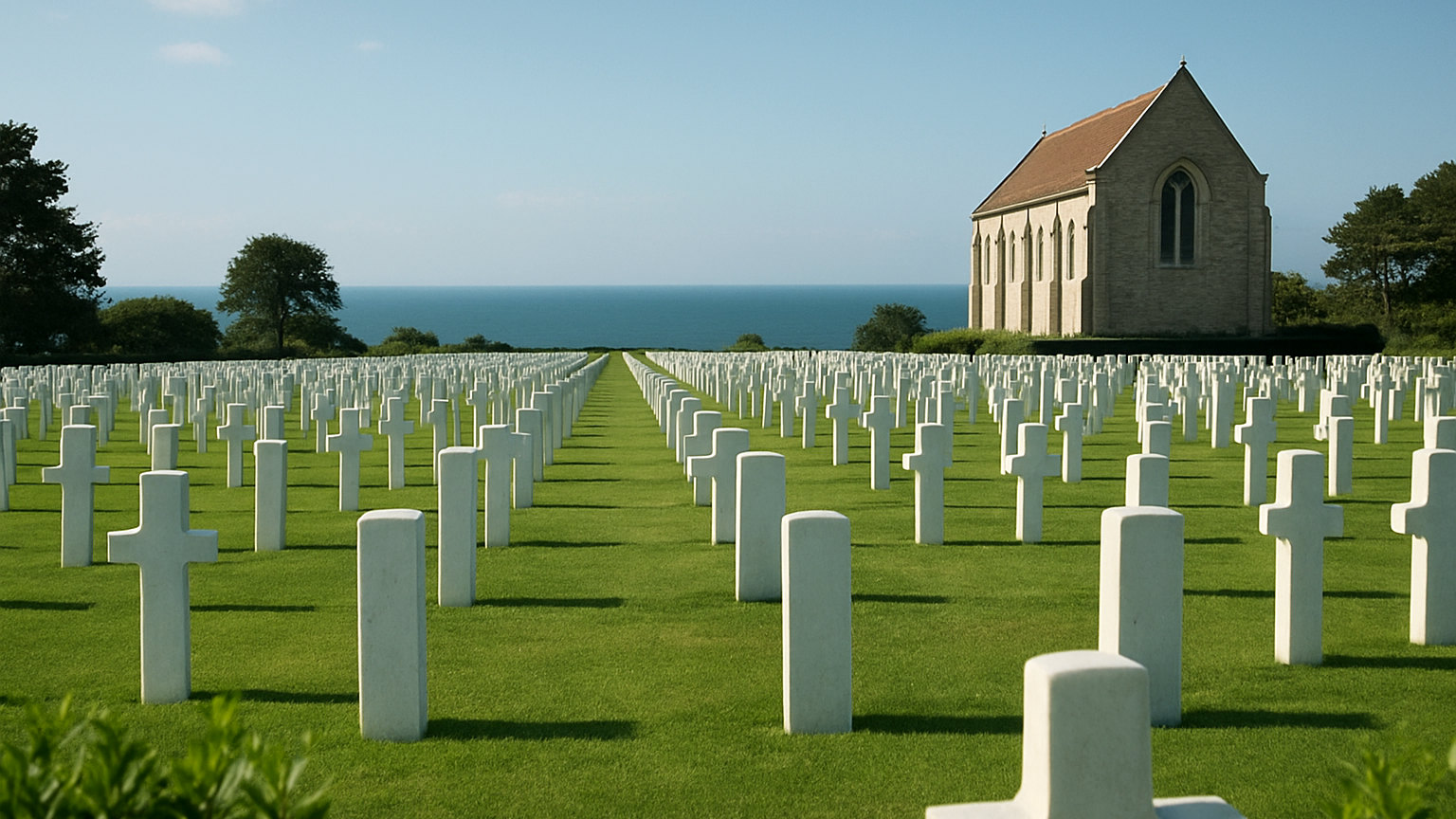
Open, free and frequently empty, and among the most affecting places in Europe. The Commonwealth cemeteries in France and Belgium, the American cemetery above Omaha Beach and the German cemeteries nearby are all maintained to an extraordinary standard.
Where else is worth knowing about?
Sarajevo and Mostar for the Bosnian war, with museums and visible damage still present. Gdansk and Warsaw for the Second World War from the Polish perspective. Belfast for the Troubles. Guernica in Spain. Each is a local history rather than a general one.
Is it right to include them in a holiday?
Many people find it is, and the sites themselves exist to be visited and understood rather than avoided. Going with some knowledge, some time and some attention is what distinguishes visiting from sightseeing.
Are they free?
Many are, including most war cemeteries and several major memorials, which are funded as places of remembrance rather than attractions. Associated museums usually charge. Where entry is free a reservation may still be required.
How do you choose which to visit?
By connection rather than by scale. A cemetery where a relative is buried, a town your family came from or a campaign you have read about will mean more than the largest site on the map, and most national archives make records searchable in advance.
What should you do afterwards?
Nothing demanding, and allow time to talk about it. Most people find these visits stay with them for the rest of the day, and planning a museum or a long drive immediately afterwards is a mistake that a quiet lunch and a walk avoids.
If you are planning further, Where Can You See the Northern Lights in Europe? covers the next part of the decision, and there is more in our Inspiration guides.
The short answer
Normandy, the Western Front, Berlin and the preserved camp memorials are the principal sites. Read something first, allow a full half day at least, book ahead since numbers are limited, check the recommended minimum age before taking children, and plan nothing demanding afterwards.


