
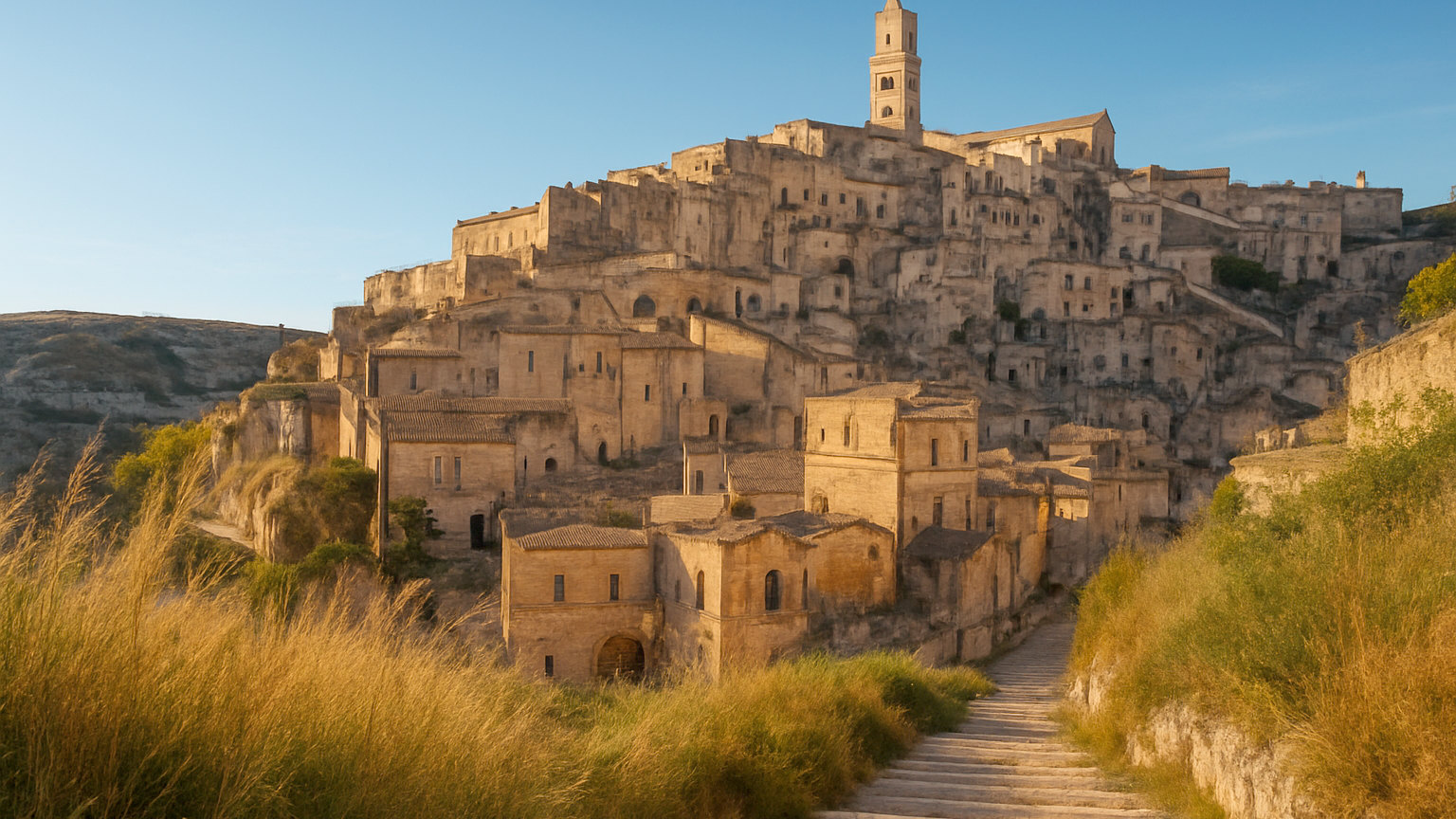
Europe holds a large share of the world heritage list, which makes the designation a poor filter on its own. It records cultural or natural significance as assessed by experts, not whether a place is interesting to walk around, and the two frequently diverge.
What does the listing mean?
That a site has outstanding universal value under defined criteria, and that the country has committed to protecting it. It carries no implication about facilities, accessibility or whether there is anything to see, and several listings cover landscapes or practices rather than buildings.
Why are there so many in Europe?
Partly genuine density of heritage and partly process. Nominations require resources and expertise, and countries with well-funded heritage bodies list more. Italy, Spain, Germany and France hold the largest numbers, which reflects both.
Which are unambiguously worth it?
The Alhambra, Pompeii and Herculaneum, the historic centres of Rome, Florence and Prague, the Norwegian fjords, Plitvice, the Meteora monasteries, the Cordoba Mezquita and Ravenna mosaics. All would be worth visiting with or without the designation.
Which are underrated?
Ravenna, which is extraordinary and quiet. The Neolithic temples of Malta, the oldest free-standing structures in the world. The wooden churches of Slovakia, Poland and Norway. The Alto Douro wine region. Ironbridge and the industrial listings, which are far more interesting than they sound.
Which are disappointing to visit?
Sites listed for significance rather than spectacle: certain industrial landscapes, archaeological sites with little above ground, and cultural practices which have no location at all. None is a poor listing; several are a poor day out.
Does listing change a place?
Frequently, and in both directions. Protection prevents damaging development, and the designation drives visitor numbers that can overwhelm a small place. Several European sites now restrict entry for that reason, and a few have been warned about their status.
Should you plan a trip around it?
As a discovery tool rather than an itinerary. Browsing the list for a region reliably surfaces things you would not otherwise find, particularly outside the famous cities. Treating it as a checklist produces a worse trip than following interest.
What about the tentative list?
Each country maintains a list of sites nominated but not yet inscribed, which is frequently the more interesting reading. These are significant places that have not yet attracted the visitor numbers, which for a traveller is an advantage.
Which countries have the most?
Italy and Spain lead in Europe, followed by Germany and France. Italy in particular has entire regions where every town has some form of designation, which says more about Italy than about the list.
How do you use the list well?
By filtering it to a region you are already visiting and reading what is nearby, which reliably surfaces two or three places worth an afternoon. Almost every European region has a listing within an hour that most visitors never hear about.
What about the natural sites?
A smaller category in Europe and frequently the most rewarding. Plitvice, the Dolomites, the Wadden Sea, the Aeolian islands and the Dorset coast are all natural listings, and they are less crowded than the cultural ones in most seasons.
Does it guarantee preservation?
It commits the country to protect the site and it does not prevent visitor pressure, which several European listings now manage with entry limits and timed tickets.
Are there listings in every country?
Yes, and the smaller countries frequently have the most interesting ones relative to their size. Malta, Slovenia, Montenegro and Albania all hold listings that receive very few visitors and would be crowded if they sat in Italy or France. Reading the list for a small country before visiting is frequently the best planning anyone does.
See also Where Can You See Volcanoes in Europe?, which covers a related part of the same decision, and our other Inspiration guides.
The short answer
The listing measures significance rather than enjoyment, so use it to discover rather than as a checklist. Ravenna, the Maltese temples and the wooden churches are the underrated ones, and the tentative list is frequently more interesting than the inscribed one.


