
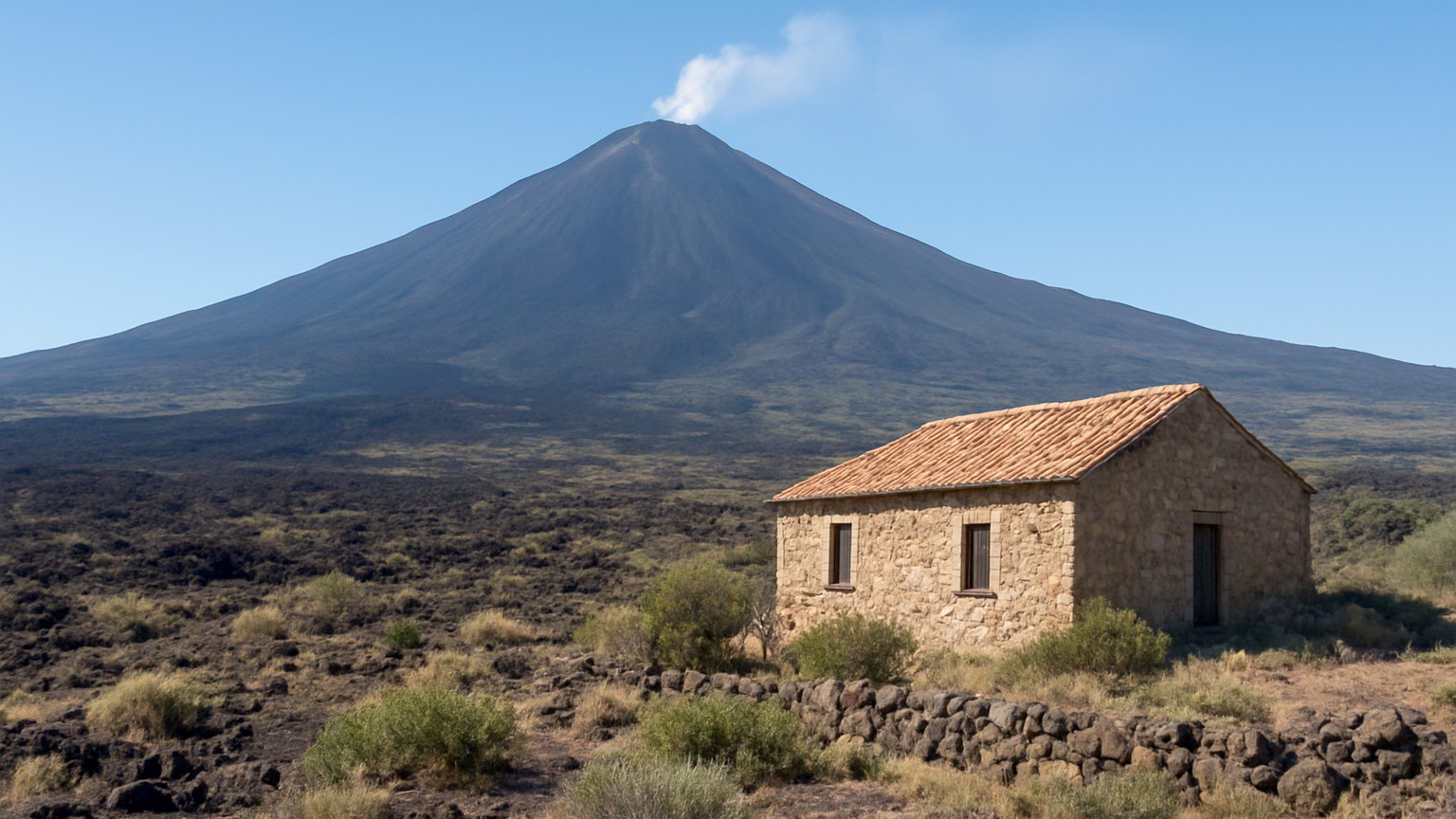
Europe sits on two active volcanic zones, one running through southern Italy and the Aegean and the other along the mid-Atlantic ridge through Iceland. Between them they produce some of the most striking landscapes on the continent, several of which are genuinely accessible.
Which are active?
Etna in Sicily, the largest and most frequently active in Europe. Stromboli in the Aeolian islands, which erupts almost continuously. Vesuvius near Naples, dormant but not extinct. Several systems in Iceland, which erupt regularly. Santorini, which is the remains of an enormous eruption.
Can you climb them?
Vesuvius is a straightforward walk of around half an hour from the car park to the crater rim, with a ticket and a guide at the top. Etna is accessible by cable car and four-wheel drive to high altitude, with guided walks beyond. Both are suitable for reasonably fit visitors.
Stromboli requires a guided evening ascent and access depends on current activity.
Is it safe?
Managed rather than risk free. Access to active volcanoes is controlled by local authorities and closes at short notice when activity increases, and guided access is compulsory on the upper sections of Etna and Stromboli. Following those restrictions is the whole of the safety advice.
Check the current status before travelling, since closures are common and not always publicised in advance.
What about Iceland?
A different scale, with eruptions occurring regularly and the landscape shaped entirely by them. Lava fields, geothermal areas, black beaches and ice caves are all accessible, and eruption sites occasionally become visitable under official guidance. Never approach one without it.
Which volcanic landscapes are worth seeing?
Lanzarote, which is almost entirely volcanic and where Timanfaya national park is visited by coach across a lava field. The Aeolian islands. Santorini caldera. The Campi Flegrei near Naples, a large caldera with a walkable crater at Solfatara.
What about the black beaches?
A direct consequence and worth knowing about. Tenerife, Lanzarote, Santorini, Sicily and Iceland all have them. The practical point is heat: black sand absorbs far more sun and becomes too hot to walk on barefoot by midday.
What is the best single trip?
Naples, which combines Vesuvius, Pompeii, Herculaneum and the Campi Flegrei within a day of the city, and where the archaeology and the volcano explain each other. Nowhere else in Europe puts the two together so directly.
When should you go?
Spring and autumn for Italy and Sicily, since the sites have no shade and Etna is high enough to be cold in winter. Summer for Iceland for the access and the daylight, though winter offers ice caves and the northern lights alongside.
What should you take?
Proper shoes with ankle support, since volcanic ground is loose and sharp. Layers, as high volcanoes are considerably colder than the coast below. Water and sun protection. A mask or scarf is useful where there is ash or sulphurous gas.
Can you go inside a lava tube?
In Iceland and Lanzarote, yes. Lava tubes are tunnels left where molten rock drained away, and several are open as show caves with lighting and walkways. The Cueva de los Verdes in Lanzarote and several near Reykjavik are the most accessible.
What about the thermal areas?
A related attraction and frequently the more comfortable one. Iceland geothermal fields, the Solfatara crater near Naples and the hot springs of the Aeolian islands all sit on the same systems, and several feed thermal pools that can be bathed in.
Where can you see one erupting?
Stromboli is the most reliable, with small explosions every twenty minutes or so, visible from boats at night and from the guided ascent. Etna produces visible activity frequently. Iceland eruptions are unpredictable and occasionally become accessible under official supervision.
Which European Caves and Gorges Are Worth Visiting? answers a related question in more depth, and there is more of the same across our Inspiration guides.
The short answer
Etna, Vesuvius, Stromboli and Iceland are the active ones, with Lanzarote and Santorini the most striking landscapes. Vesuvius and Etna are accessible to most visitors, guided access is compulsory higher up, and closures at short notice are normal and should be respected.


