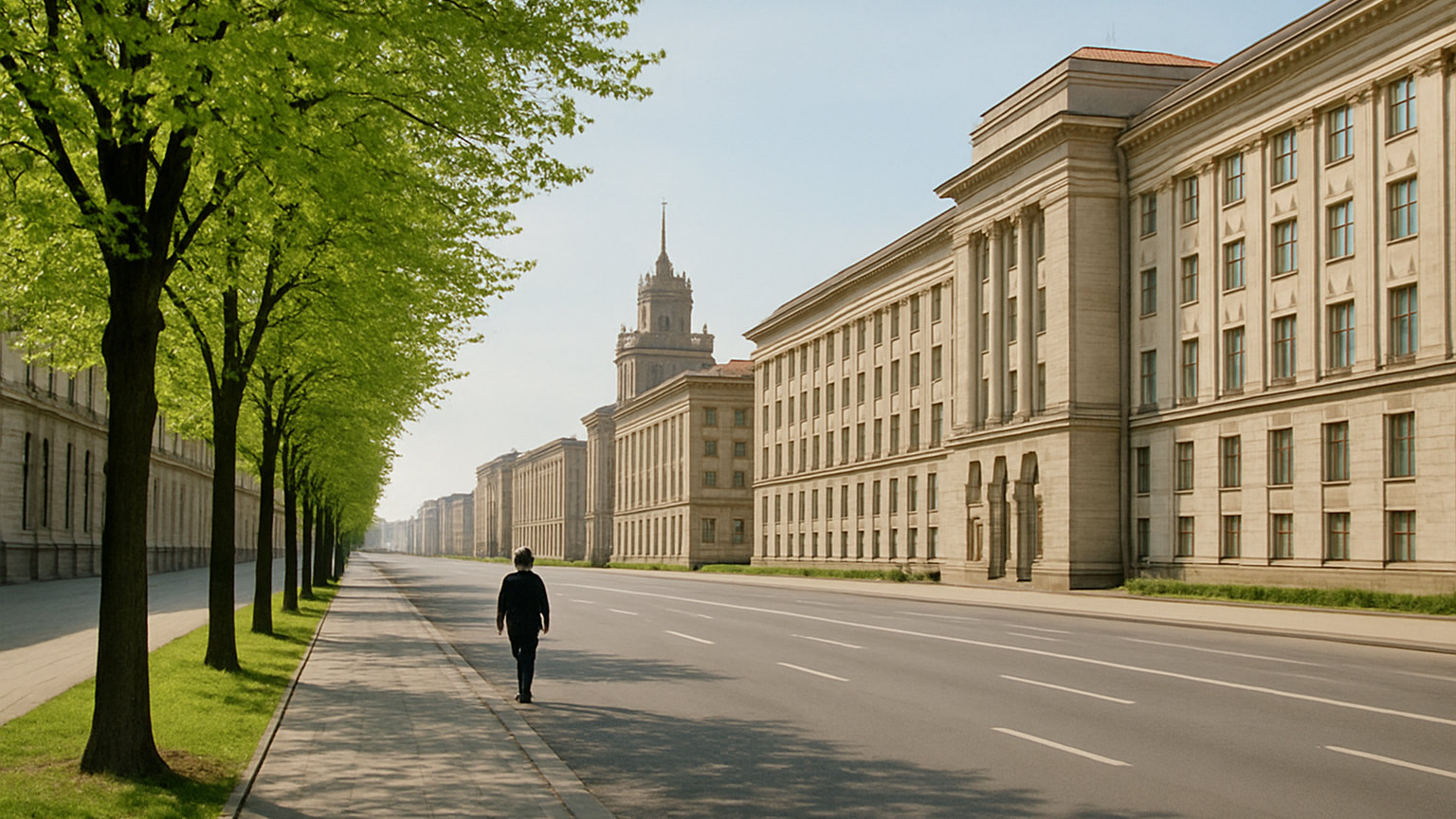
Historic European city centres were built before cars and most now restrict them heavily. Driving into one is difficult, frequently illegal and enforced by camera, and the practical answer on a road trip is to leave the car outside and walk in.
What are restricted traffic zones?
Areas closed to non-resident vehicles, marked by signs and enforced by camera. Italy operates these extensively as the ZTL, and similar schemes exist in Spain, France and elsewhere. Entering one without a permit produces a fine by post.
Fines frequently arrive months later, and each separate entry is charged, so a driver circling a centre can receive several.
How do you avoid them?
Do not follow a satnav into a historic centre. Identify a car park outside the zone before arriving, drive to that, and walk. Most cities have large car parks at the edge of the old town with a short walk or a bus into it.
What about hotel access?
Hotels inside a restricted zone can usually register your plate for temporary access, which must be arranged in advance with the vehicle details. Assuming it is fine because the hotel is inside is how most fines are incurred.
Where should you park?
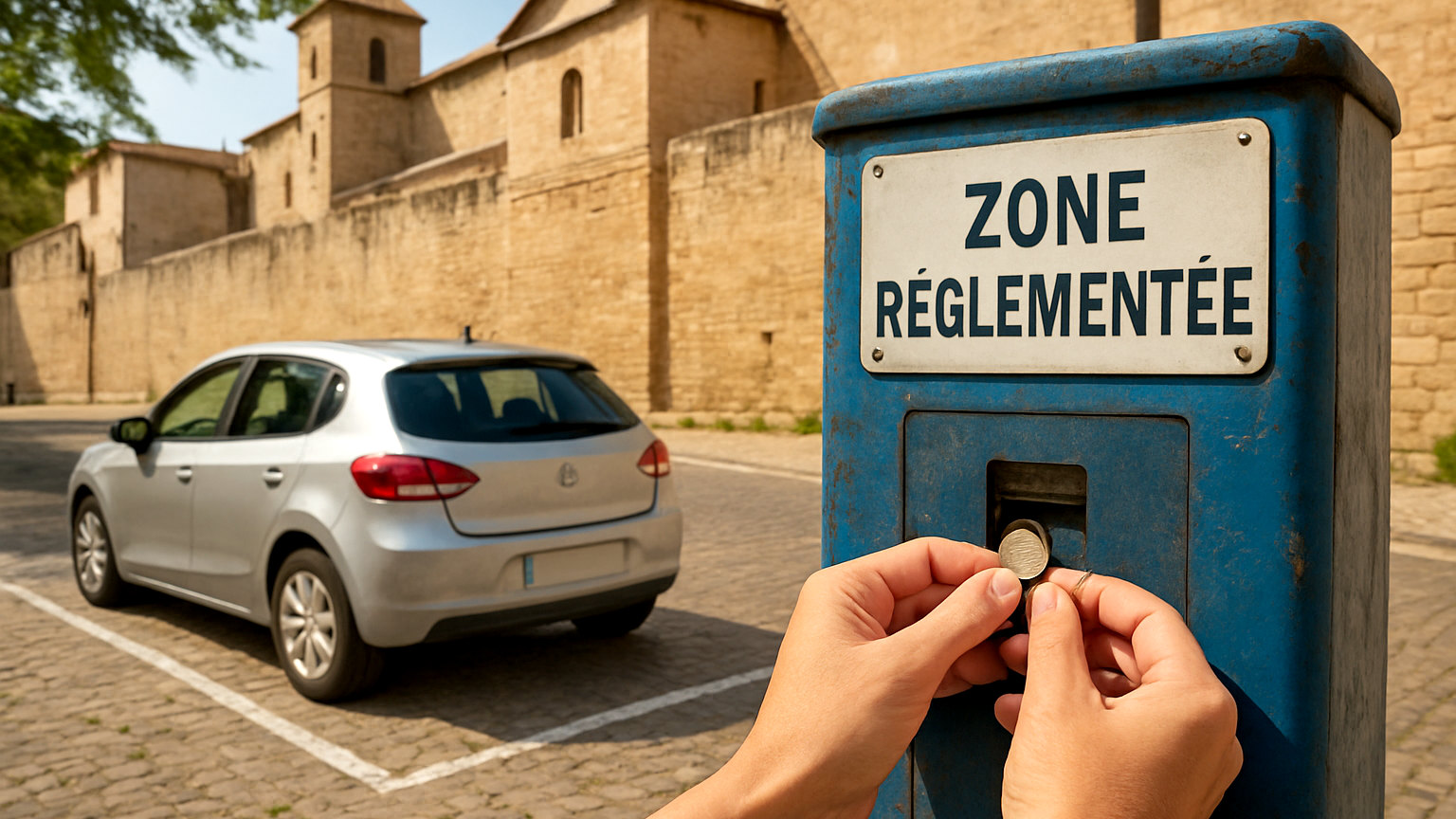
Park and ride sites where they exist, which are cheap and designed for this. Otherwise a multi-storey outside the centre. Street parking in European cities is usually metered, zoned by colour and time limited, and the rules are frequently only in the local language.
What do the colours mean?
Varies by country and is generally signposted. In Italy blue lines are paid parking, white are free where permitted and yellow are reserved. Spain uses blue and green zones with different rules. Reading the sign at the bay is the only reliable method.
Is hotel parking worth it?
Frequently, on a driving trip, and it is worth confirming at booking. City hotels charge a daily rate for parking and many have none at all, which is a genuine consideration when choosing where to stay with a car.
Should you have a car in a city at all?
Usually not. A car in a European city is a cost and a liability rather than a convenience, since everything is walkable or on public transport. Collecting the car after the city section of a trip is the better arrangement.
What about security?
Never leave anything visible in a parked car, which is the whole of the advice. Hire cars are identifiable and break-ins concentrate at tourist car parks and viewpoints. Luggage goes into the hotel rather than staying in the boot.
What about low emission zones?
A separate and growing restriction requiring a sticker or registration to enter, operating in French, German, Spanish and Italian cities. These apply to a wider area than a historic centre and need arranging in advance.
What about satnav settings?
Worth adjusting before a trip. Several mapping apps will route through restricted zones and along roads unsuitable for a car, and setting the destination to a named car park rather than the hotel avoids both. Offline maps also matter where signal fails.
Which cities are worst?
The Italian historic centres, which operate the most extensive restricted zones, along with the medieval cores of Spain, Portugal and southern France. In all of them the old town is effectively pedestrian, and a car is a hindrance rather than an asset.
What about fuel stations in cities?
Scarce in historic centres and plentiful on the approach roads, so filling up before entering rather than after is the sensible order. Returning a hire car to a city airport also needs a station identified in advance, since the ones nearest terminals charge a premium.
If you are planning further, Which Road Trips Suit Families? covers the next part of the decision, and there is more in our Inspiration guides.
The short answer
Do not drive into historic centres, since camera-enforced restricted zones produce fines by post. Park outside and walk, arrange access in advance if your hotel is inside a zone, leave nothing visible in the car, and collect the car after the city part of a trip.