Brussels has a reputation as a functional city that people pass through, which does it a disservice. It has one of the finest squares in Europe, a strong art and museum offering, the best beer culture anywhere and three of Europe most attractive small cities within an hour.
What should you see first?
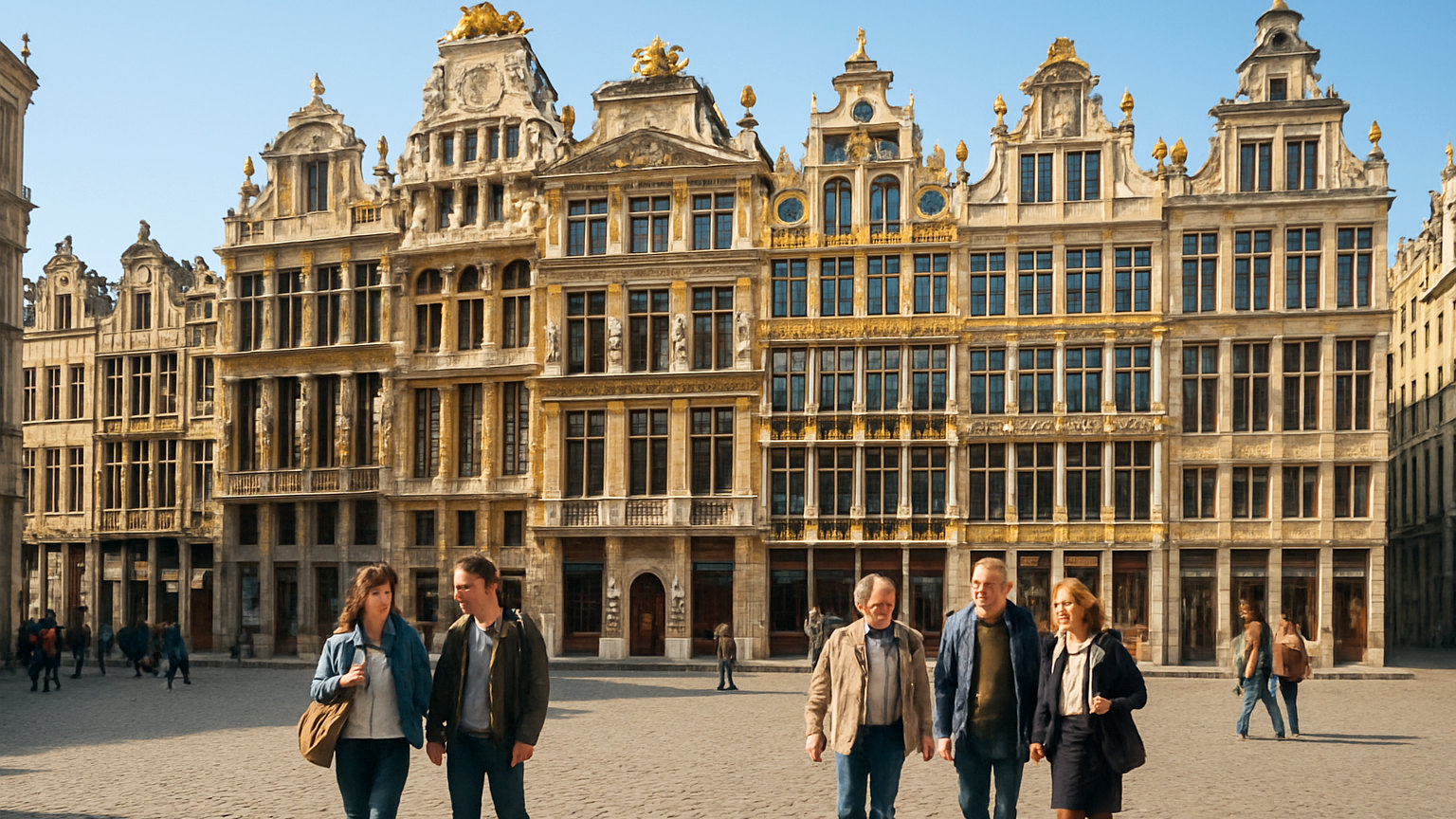
The Grand Place, a complete baroque guildhall square that is among the best enclosed spaces in Europe. It takes ten minutes to see and repays returning at night, when it is lit and considerably quieter.
What about the museums?
The Royal Museums of Fine Arts, including the Magritte Museum, which holds the largest collection of his work anywhere. The Musical Instruments Museum in an art nouveau building with a rooftop view. The Belgian Comic Strip Centre.
What is the comic connection?
Belgium has a serious comic tradition and the city marks it with a trail of large painted murals across building walls in the centre. Following the route is free, takes a couple of hours and shows you neighbourhoods you would not otherwise walk.
Is the Atomium worth it?
Divisive. It is a striking structure from the nineteen fifty-eight world fair, some distance from the centre by metro, with modest exhibitions inside and a view from the top sphere. Worth it for the architecture rather than the contents.
What about the beer?
The genuine highlight. Belgian brewing traditions are recognised as cultural heritage, and the range from trappist ales to lambic and gueuze is unlike anywhere else. The historic cafes in the centre and the lambic breweries on the edge of the city are both worth time.
What should you eat?
Moules frites in season, carbonnade, waterzooi and proper frites from a fritkot rather than a restaurant. Chocolate is everywhere and the good shops are worth finding rather than buying on the tourist streets.
What about the EU quarter?
The Parliament visitor centre and the House of European History are both free and better than expected, and the area is quiet at weekends. Worth a couple of hours if the institutions interest you.
What are the day trips?
Bruges in an hour, Ghent in half an hour and Antwerp in three quarters, all by frequent train. Ghent is the pick for anyone who wants a medieval city without the Bruges crowds.
How do you split a weekend?
One day in Brussels and one on a day trip, which is what most visitors do. The city centre is small enough that a full day covers the square, a museum and the comic trail.
What about the art nouveau?
Brussels was a centre of the movement and several Horta buildings survive, with the Horta Museum in his own house the best of them. The trail through Saint-Gilles and Ixelles is a good alternative to the standard centre.
When should you go?
April to October for weather, with the biennial flower carpet in the Grand Place in August a specific draw. Winter brings Christmas markets and low rates, since Brussels is a business city that empties at weekends.
Is it walkable?
The centre entirely, with the Grand Place, the museums and the main shopping streets within twenty minutes of each other. The metro and trams cover the outer districts and the Atomium cheaply on a day ticket.
What languages are spoken?
French and Dutch are both official in Brussels and signage is bilingual, with English very widely spoken given the international institutions. Communication is never a difficulty.
Is it a good base?
An excellent one. Belgium is small and the rail network is dense, so Bruges, Ghent, Antwerp, Leuven and the coast are all within an hour and a half of Brussels. Basing in the capital and travelling out daily works better than moving hotels.
What Are the Best Things to Do in Tbilisi? goes into more detail on a closely related question, and the rest of our Inspiration section covers the wider subject.
The short answer
A weekend splits neatly: one day for the Grand Place, the Magritte Museum, the comic mural trail and the beer cafes, and one for Ghent or Bruges by train. Hotel rates are lowest at weekends because it is a business city.