
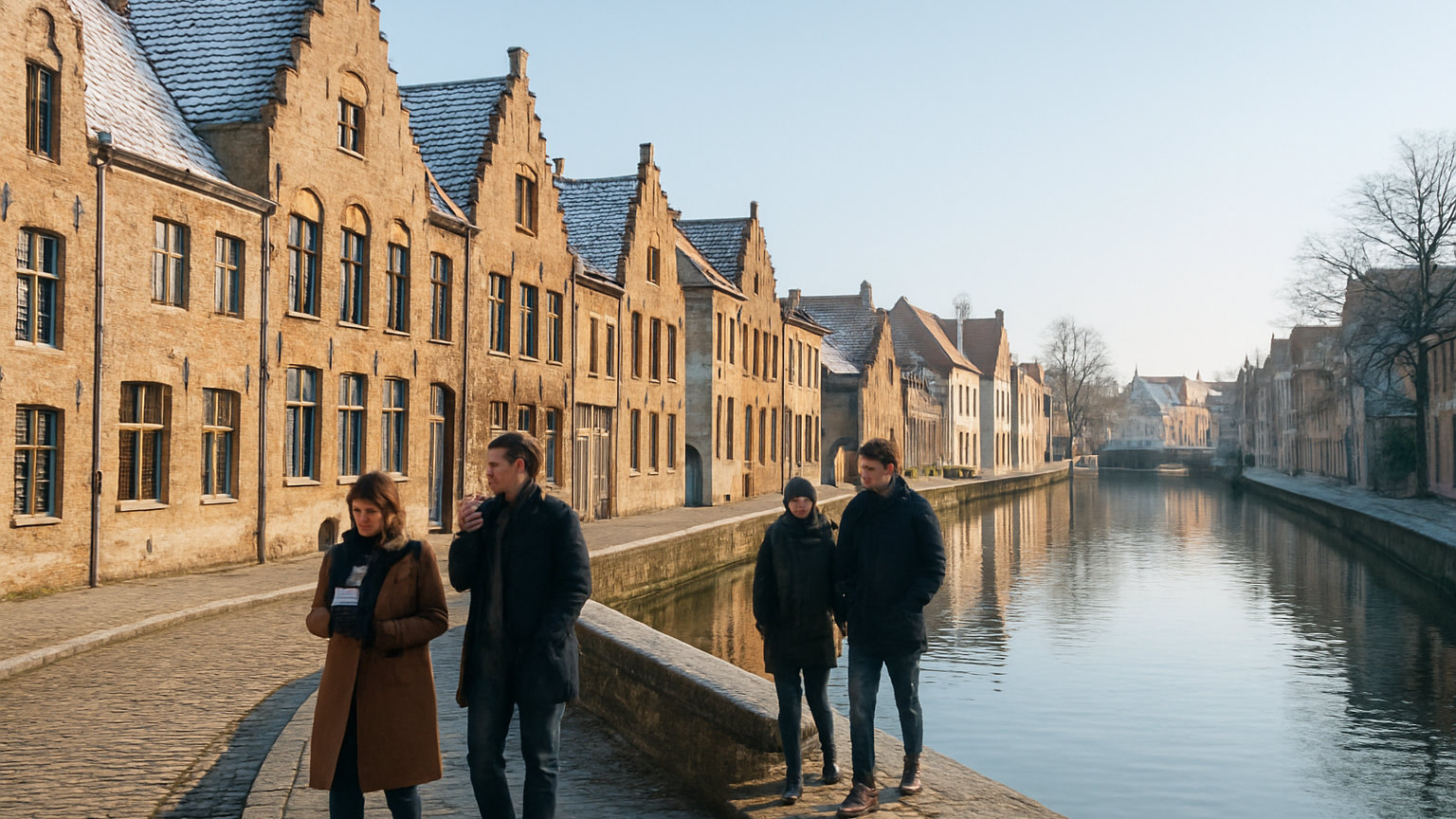
A city weekend in November or February costs a fraction of the same trip in June, with shorter queues, available restaurant tables and hotels at their lowest rates. The trade is daylight and weather, and for a city trip neither matters as much as people assume.
How much cheaper is it?
Substantially. Flights and hotels both fall sharply outside the summer and the Christmas period, and January and February are the cheapest weeks of the year across most of Europe. The same weekend can cost half.
What do you lose?
Daylight, most of all. Northern European cities have as little as seven or eight hours of usable light in December, which halves what fits into a day. Southern cities keep nine or ten, which is a meaningful difference.
Does the weather matter?
Less than expected for a city, where most of what you want is indoors or a short walk. Rain is the main risk rather than cold, and a wet weekend is harder to absorb on two days than on a fortnight.
Which cities suit winter?
Vienna, Budapest, Prague, Krakow, Munich and the German cities, all with coffee houses, galleries, thermal baths and an indoor culture built for the season. Budapest in particular is better in winter, since the baths are at their best.
Which do not?
Coastal towns and resort destinations, which close almost entirely. Also cities whose appeal is outdoor: Venice is atmospheric in winter and much of the Greek and Croatian coast simply shuts.
What about the queues?
Largely absent, which is the strongest argument. From November to February most European attractions can be walked into, and a museum that requires a timed slot in August takes walk-ups in January. The same building with a tenth of the people is a different experience.
What about Christmas markets?
The one exception to low-season pricing. From late November to Christmas, market cities including Vienna, Prague, Strasbourg, Nuremberg and Budapest fill and prices rise, particularly at weekends. Booking well ahead is necessary.
What is the best month?
Late January and February for price and quiet. November is cheap and dark. March and October are the best compromise, with reasonable daylight, mild weather and prices still well below the summer.
How should you plan differently?
Around the daylight. Sightseeing in the hours of light and eating, bathing or drinking after dark reverses the summer pattern sensibly. Checking what closes for winter also matters, since some attractions reduce hours or shut entirely.
What should you take?
Warm layers and waterproof shoes rather than a heavy coat, since European buildings are well heated and you will be indoors frequently. Cobbles in wet weather are the practical hazard.
Do restaurants get easier?
Considerably. Tables that need booking weeks ahead in summer are available the same evening in January, which for a food-led weekend is a genuine advantage. Some smaller restaurants close for a winter holiday, so checking is worth a moment.
Are flights more reliable?
Less, in midwinter. Snow, fog and storms cause more disruption between December and February than at any other time, and on a two-night trip a cancellation is proportionally expensive. Travel insurance matters more than it does in June.
Which southern cities work in winter?
Seville, Valencia, Palermo, Naples, Athens and Lisbon, all of which stay mild, keep longer daylight than the north and are far quieter than in summer. Southern Europe in winter is one of the better value trips available.
Do opening hours change?
Frequently, with shorter winter hours at many sites and some closing entirely between November and March. Checking the specific attraction rather than assuming saves a wasted journey.
Is it better for a return visit?
Particularly. A city you already know needs no sightseeing, which removes the daylight problem entirely and leaves the cafes, restaurants and galleries that winter does well.
It is worth reading alongside Which Non-City Weekend Breaks Work?, which takes a different angle, and the wider Inspiration guides.
The short answer
Considerably cheaper and quieter, with no queues at all from November to February, and daylight is the main loss. Vienna, Budapest, Prague and Krakow suit winter best, coastal towns close, and March and October are the best compromise of price and light.


