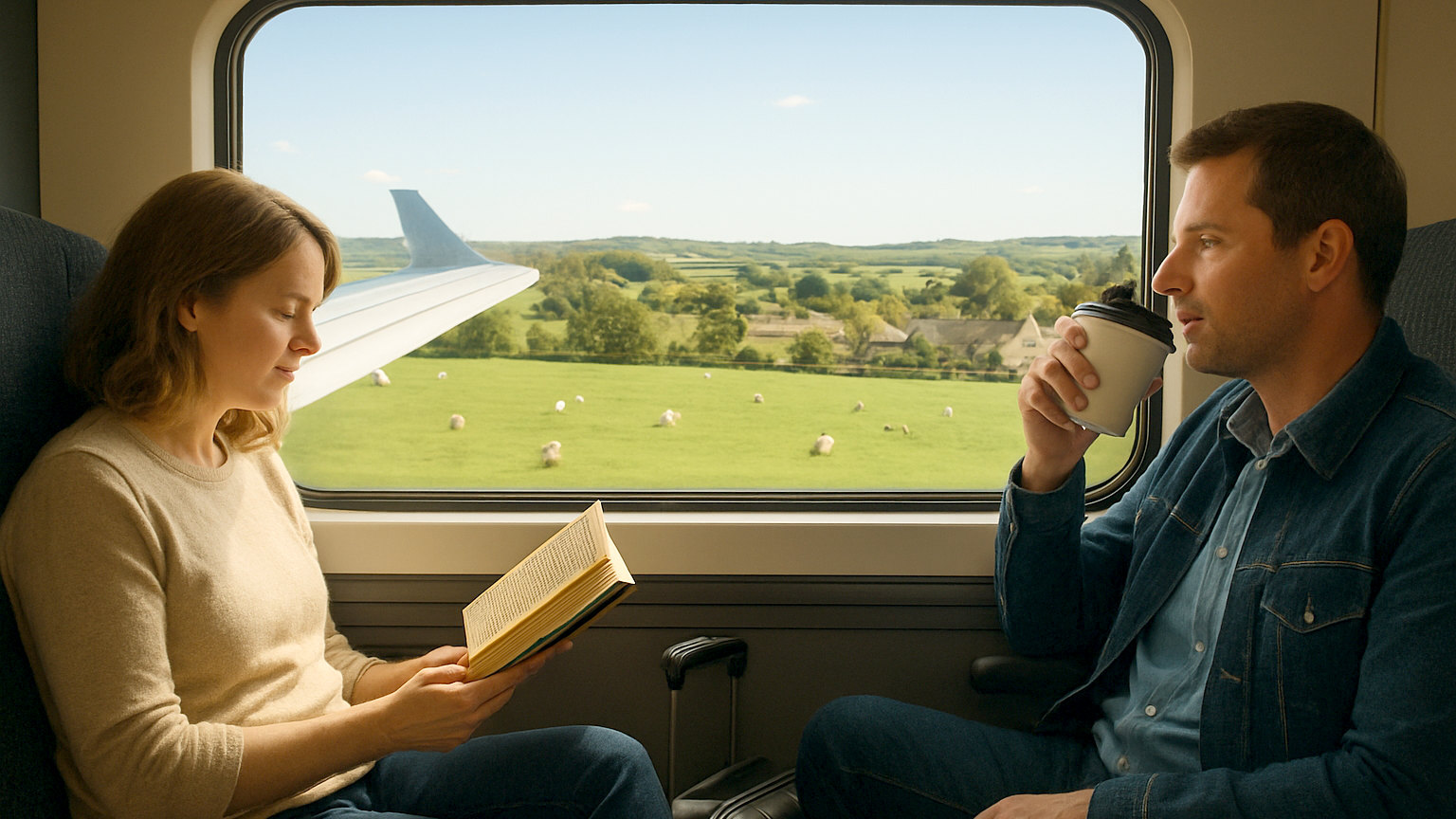
A weekend without a flight is more achievable from Britain than most people assume, and it removes airports, baggage rules and transfers from the trip entirely. The constraint is how far you can reasonably travel in half a day.
What is reachable by rail?
Paris and Brussels directly from London in a little over two hours, with Lille closer still. From Brussels or Paris, onward high-speed trains reach Amsterdam, Rotterdam, Cologne, Bruges, Ghent, Antwerp, Lyon and Bordeaux within a day.
Bruges and Ghent are among the best weekend destinations in Europe and both are straightforward from London by rail.
How long does it take?
Paris and Lille are a half day including getting to London; Brussels and Bruges similar. Amsterdam and Cologne are a full travelling day from most of Britain, which suits three nights better than two.
What about from the north?
Longer, since reaching London consumes several hours before the international leg begins. From Newcastle, Manchester or Edinburgh, a European rail weekend realistically needs three nights, or an overnight leg to make the arithmetic work.
What about ferries?
An overnight crossing turns travel time into sleeping time, which is the main appeal. Newcastle to Amsterdam, Hull to Rotterdam or Zeebrugge, Harwich to Hook of Holland and Portsmouth or Plymouth to northern Spain all run this way.
The Dutch routes from the northeast of England are particularly convenient for a weekend in Amsterdam or Bruges.
Is Spain reachable by sea?
Yes, though the crossing takes around a day, which makes it a longer trip rather than a weekend. It suits a week in northern Spain with a car more than a short break.
What about domestic breaks?
Frequently the best flight-free option and consistently underrated. Edinburgh, York, Bath, Liverpool, Cardiff and the Lake District are all reachable by rail in a few hours, and Scottish and Welsh coastal towns work well by car.
What about sleeper trains?
The Caledonian Sleeper between London and Scotland and the Night Riviera to Cornwall both turn a journey into a night. In continental Europe the Austrian night network has expanded, though reaching it from Britain adds a leg.
What are the advantages?
City centre to city centre, no baggage restrictions worth worrying about, no security queue of any length, and usable time on board. Rail also produces substantially lower emissions per passenger than flying the same route.
What are the drawbacks?
Cost, principally, since advance rail fares rise steeply close to departure and are frequently more than a budget flight. Booking early matters more for rail than for anything else on a short trip.
Is it cheaper than flying?
Rarely on price alone and sometimes on total cost, once airport transfers, baggage and parking are added. The advantage is time and comfort rather than money, and advance booking is what keeps rail fares competitive.
What about taking a car?
The Channel Tunnel shuttle and the short ferry crossings both carry vehicles, which suits northern France and Belgium for a weekend. Driving becomes worthwhile when there are several of you, since the cost is per car rather than per person.
Which routes suit three nights?
Amsterdam, Cologne, Lyon, Bordeaux and the Dutch coast, all reachable by rail from Britain within a long day. With three nights the travelling day at each end still leaves two full days, which two nights does not.
What should you book first?
The rail leg, since advance fares are released months ahead and rise steeply as departure approaches. Unlike flights, rail prices rarely fall, so booking as soon as the dates are fixed is the whole of the strategy. Ferry crossings follow the same pattern, with cabins the first thing to sell.
For the next step, see What Can You Do With Hand Luggage Only?, or browse the full Inspiration section.
The short answer
Paris, Lille, Brussels, Bruges and Ghent are comfortable rail weekends from London, with Amsterdam and Cologne needing three nights. Overnight ferries from the northeast of England reach the Netherlands and Belgium while you sleep, and domestic breaks remain the easiest option of all.