Germany and Austria dominate the Christmas market conversation, and several of the best in Europe are elsewhere. Central Europe in particular offers markets of comparable quality at roughly half the cost, and a few countries do something quite different from the German model.
What is best in central Europe?
Budapest, where Vorosmarty Square and the basilica market are excellent and the food is a genuine reason to go. Krakow, in one of Europe largest medieval squares. Zagreb, which has won awards repeatedly and spreads across the whole city centre.
Bratislava, Ljubljana and Prague complete the group, all within easy reach of each other and all considerably cheaper than Vienna an hour away.
What about France?
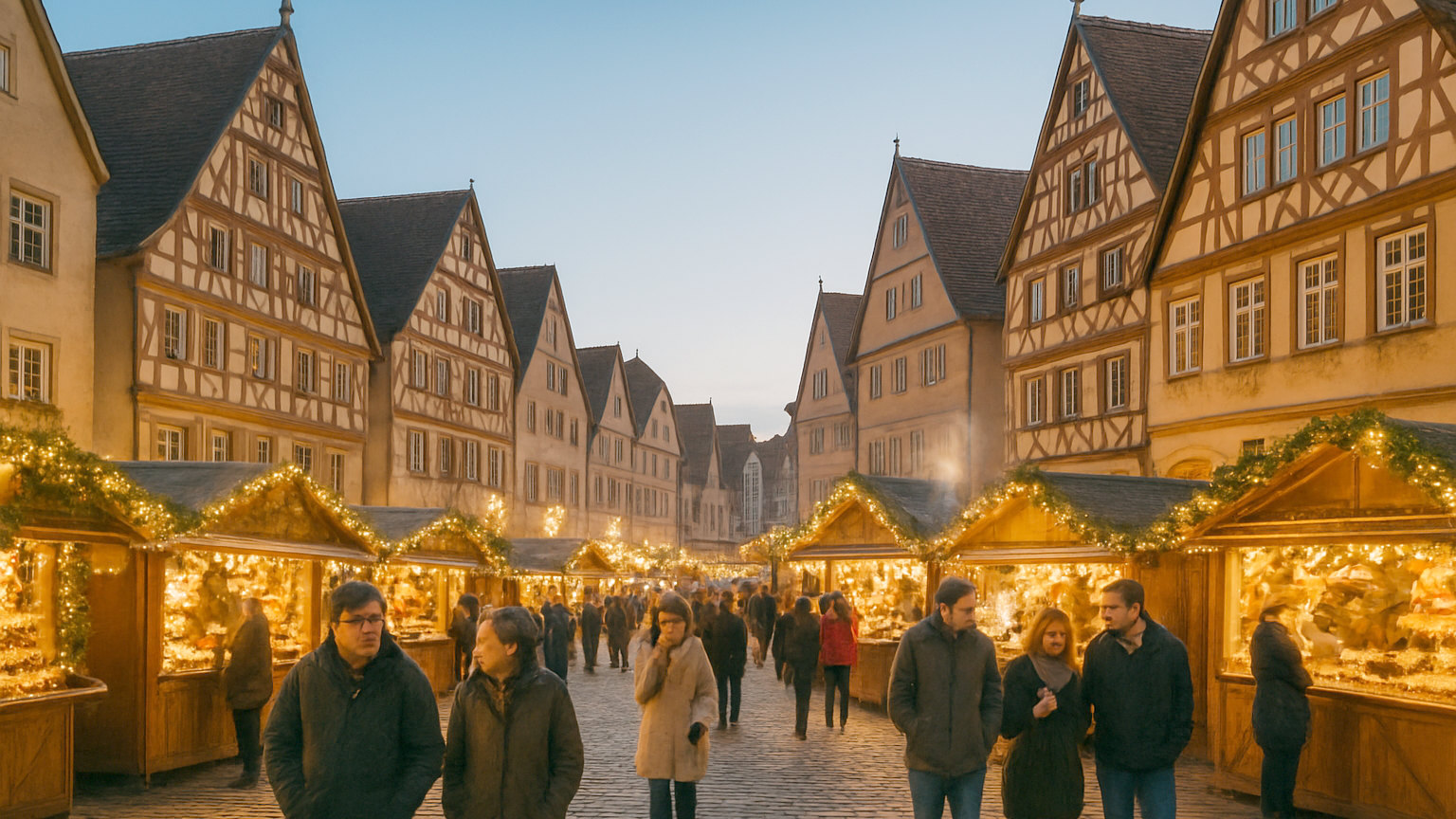
Alsace, which has the greatest concentration of markets anywhere outside Germany. Strasbourg is the largest and claims the oldest in France. Colmar, Riquewihr, Kaysersberg and Eguisheim are all small, half-timbered and within a short drive of each other.
Lille and Amiens hold good markets and are the closest to Britain.
What do the Nordics do?
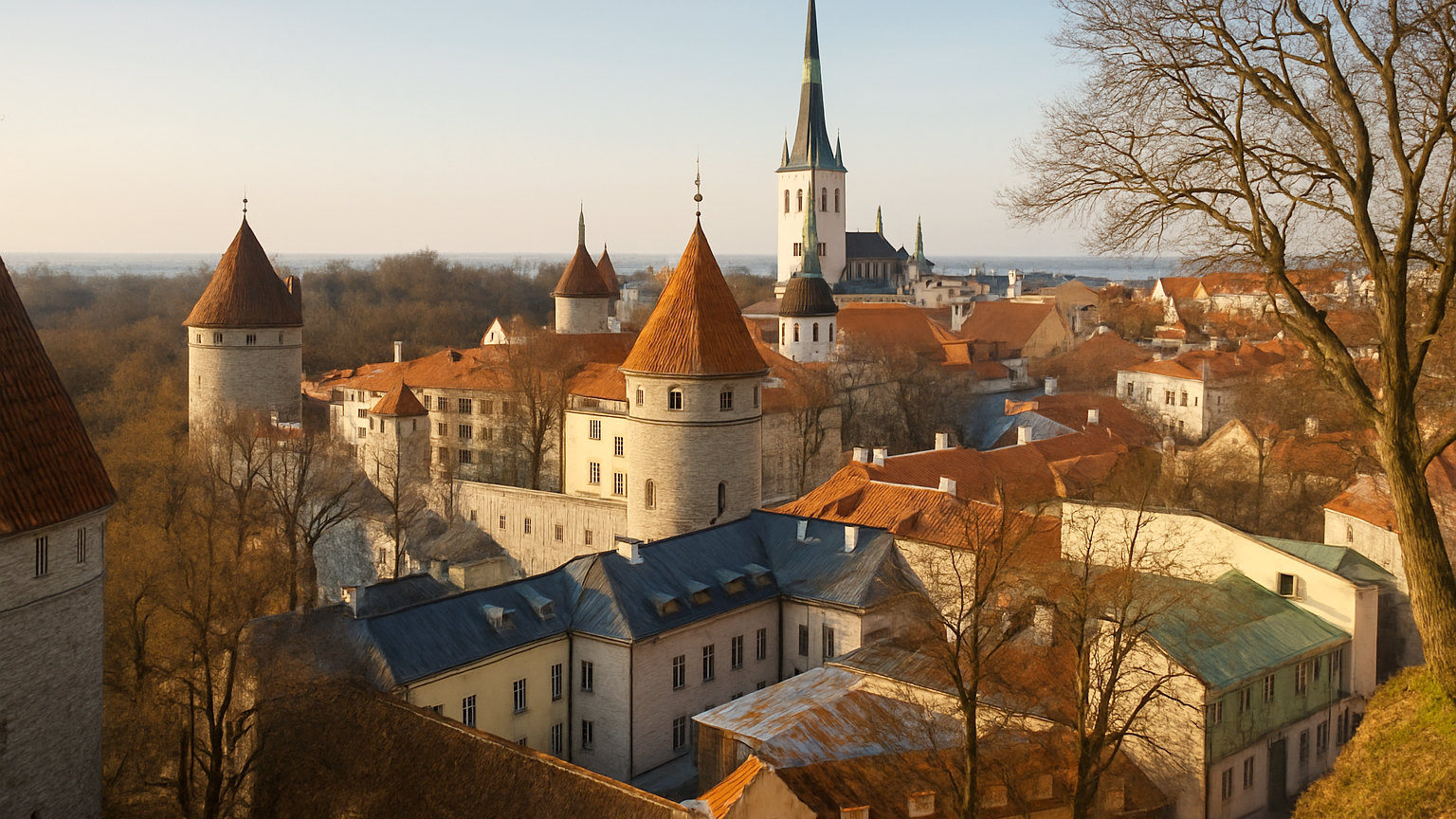
Something different and worth seeing. Tallinn holds its market in a small walled old town that frequently has snow, and it is among the most atmospheric in Europe. Copenhagen has Tivoli, which is decorated elaborately and is a Christmas destination in its own right. Stockholm and Helsinki both hold traditional markets.
What about Italy?
Two traditions. In the German-speaking South Tyrol, Bolzano, Merano, Bressanone and Trento hold markets in the Austrian style, which are excellent and far less visited than their German equivalents. Elsewhere in Italy, the emphasis is on nativity scenes rather than markets, with Naples the centre of that tradition.
Rome holds a large fair in Piazza Navona running into January.
What about Spain and Portugal?
A different festive season, running to the sixth of January and centred on the Three Kings rather than Christmas Day. Barcelona and Madrid hold markets, and the nativity figure stalls are the distinctive element. The Three Kings parades on the fifth of January are the main event.
Which are the best value?
Krakow, Zagreb, Bratislava, Riga and Tallinn, all of which combine a genuine market with prices well below western Europe. Budapest is slightly dearer and has the best market food in Europe.
Which are easiest to reach?
Bruges, Lille and Amsterdam, all reachable by train from Britain. Cologne likewise. For central Europe, Krakow, Budapest and Prague are all well served by direct flights from UK regional airports in December.
Which combine well?
Vienna, Bratislava and Budapest, which sit on one rail line within a few hours of each other and offer three quite different markets. Strasbourg and Colmar, half an hour apart. Prague and Dresden, around two hours by train.
Do they run later?
Several do, which is the other advantage. Budapest, Prague, Zagreb and Vienna all run markets into late December or early January, while most German markets close on Christmas Eve. For a trip between Christmas and New Year, central Europe is the answer.
What about Britain and Ireland?
Several cities run German-style markets, with Birmingham, Manchester, Edinburgh, Bath and Belfast among the larger ones. They are genuine markets run in many cases by German traders and they are busy and expensive. They suit an evening rather than a trip.
Which are the most atmospheric?
Small walled towns with snow, which is the combination most people are hoping for. Tallinn, Rothenburg, Colmar, Riquewihr and Quedlinburg all deliver it when the weather cooperates, and none is a capital city.
Which are quietest?
Zagreb, Ljubljana, Bratislava and the Baltic capitals, all of which receive a fraction of the visitors that Prague, Vienna and the German markets do. They are genuine rather than compromised versions, and the smaller crowds change the experience considerably.
For the next step, see Which Are the Best Christmas Markets in Europe?, or browse the full Seasons section.
The short answer
Budapest, Krakow and Zagreb match the German markets at half the price, Alsace has the greatest concentration outside Germany, and Tallinn is among the most atmospheric in Europe. Central European markets also run later, which matters if you are travelling after Christmas.