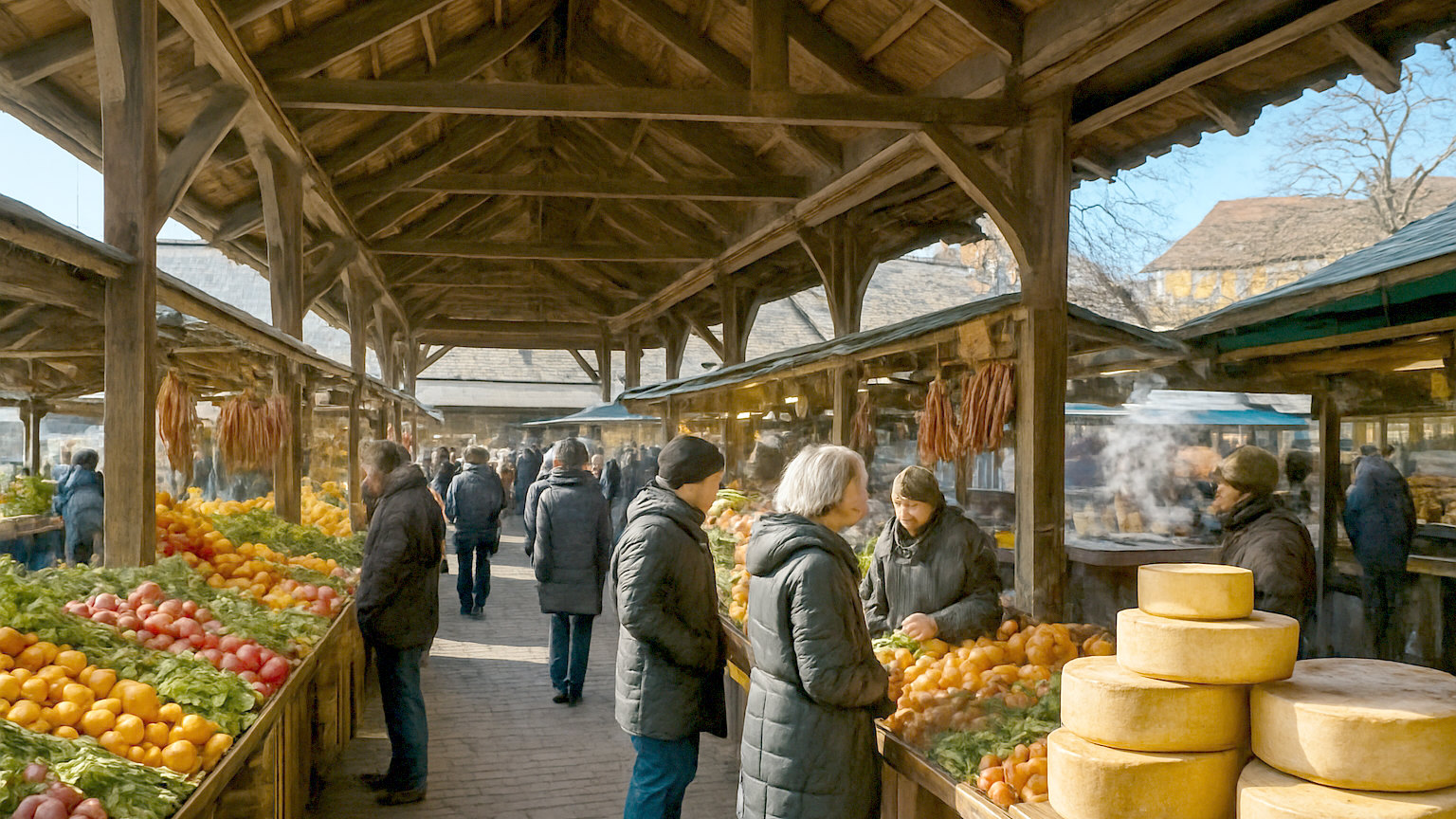
A Christmas market weekend works well because the markets themselves need only an evening or two. What decides it is how quickly you can get there and how many markets sit within walking distance once you arrive, since a city with several beats a city with one.
Which cities are closest?
Cologne, Brussels, Amsterdam and Lille, all around an hour or so by air and reachable by train from Britain. Strasbourg via Paris or Frankfurt. All deliver a genuine market weekend without a long journey at either end.
Which have the most markets?
Cologne, with around seven across the city, all within walking distance or one tram stop. Vienna, with a dozen or more of varying size. Berlin, with over eighty across the city though spread widely. Munich and Dresden both have several.
A city with several markets gives a weekend genuine variety, since each has a different character.
How long should you go for?
Three nights rather than two. Markets are best after dark, so a two-night trip gives one full evening plus the edges, and three gives two. The extra night also spreads the flight cost and allows a day trip to a smaller town.
Which suit a two-night trip?
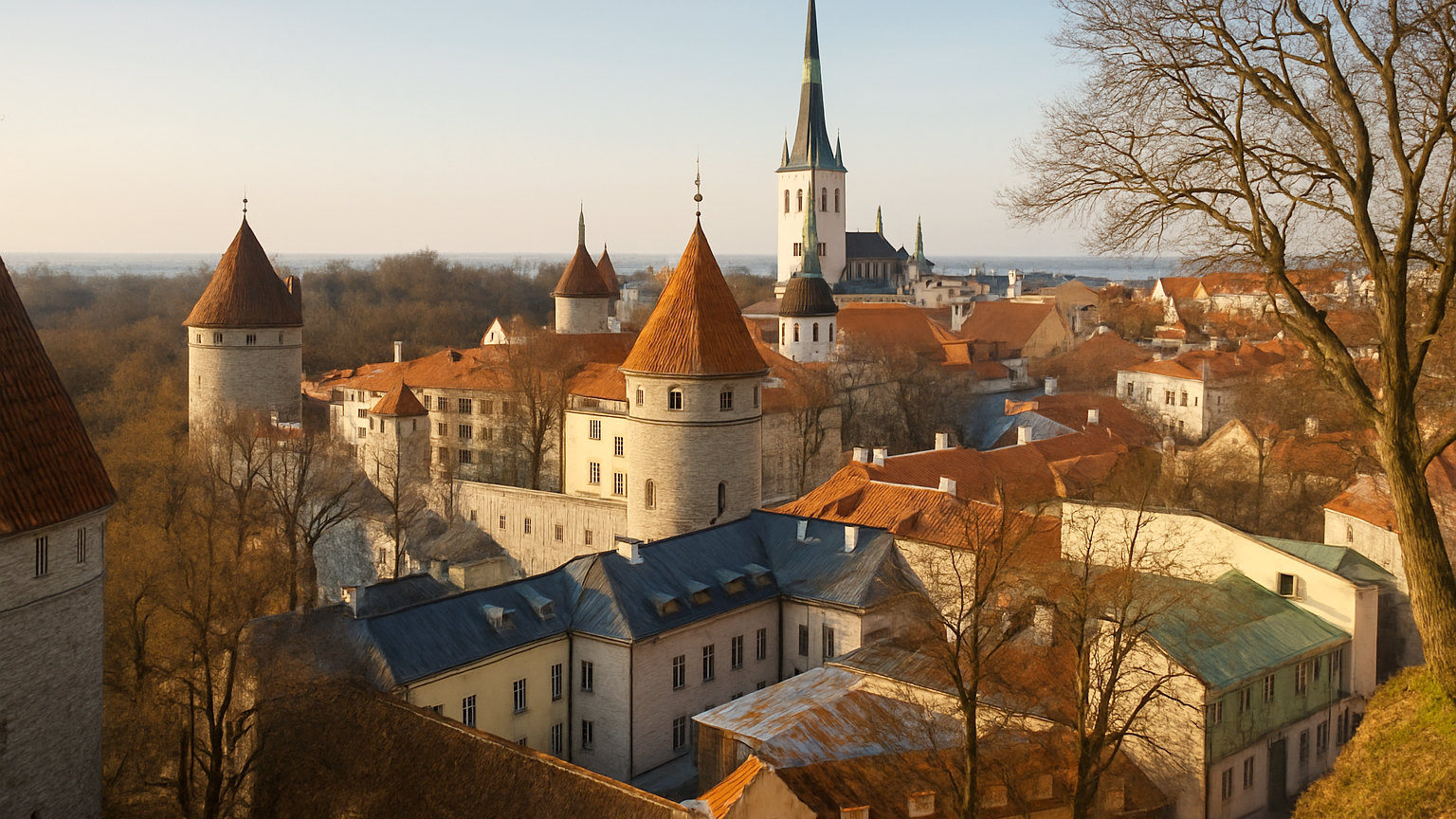
Compact cities with a short flight: Cologne, Bruges, Strasbourg, Colmar, Ljubljana and Tallinn can all be covered in one full day and evening. Anywhere requiring a connection or a long transfer is better with three nights.
Which are best value?
Krakow, Budapest, Zagreb, Bratislava and the Baltic capitals, all with good markets, cheap flights and prices on the ground well below Germany and Austria. A weekend in Krakow costs a fraction of the same weekend in Vienna.
Which day should you travel?
Arrive on a weekday if you can. Markets are far busier at weekends, when domestic visitors arrive, and accommodation prices rise sharply for Friday and Saturday nights in December. A Tuesday to Friday trip is cheaper and considerably more pleasant.
What else should the city offer?
Somewhere to be during the day, since markets are at their best from late afternoon. Museums, galleries, thermal baths in Budapest, or a Christmas concert. A city with only a market is a short trip; one with a proper daytime offering fills three days.
How cold is it?
Cold enough to matter, with central European cities around freezing in December and often below. Proper boots, a warm coat, hat and gloves are necessary rather than optional, since a market evening involves standing outside for several hours.
What about the daylight?
Short, with light from around eight to four in central Europe. That actually suits a market trip, since the markets look best in the dark and are lit from mid-afternoon, but it limits daytime sightseeing to a few hours.
Which is the best single choice?
Cologne for a short flight and seven markets, or Krakow for the best combination of atmosphere and price. Vienna if the city itself matters as much as the market.
Should you book anything in advance?
Accommodation, certainly, since December weekends in the market cities sell out months ahead and prices rise steeply. Restaurants for the evening, since markets fill and sit-down places are busy. The markets themselves are free to enter and need nothing booked.
What about combining two cities?
Straightforward where they are close by train. Vienna and Bratislava are an hour apart, Cologne and Aachen forty minutes, Strasbourg and Colmar half an hour. A three-night trip can comfortably cover two of these without feeling rushed.
Which airports serve them best?
Cologne Bonn, Dusseldorf, Vienna, Budapest, Krakow and Prague are all well served from UK regional airports in December, which is peak season for these routes. Strasbourg is usually reached via Basel, Frankfurt or a train from Paris.
Anyone weighing this up will also want How Do You Avoid the Christmas Market Crowds?, along with the rest of the Seasons section.
The short answer
Cologne, Vienna and Berlin have the most markets within walking distance; Krakow, Budapest and Zagreb are the best value. Take three nights rather than two, travel midweek rather than at the weekend, and pack for standing outside in the cold.