September is the month most experienced travellers pick. The Mediterranean reaches its annual peak sea temperature, the crowds thin from the first week, prices fall sharply from mid-month, and the heat has eased to something comfortable. For anyone not tied to school dates it is the strongest month of the year.
How warm is the sea?
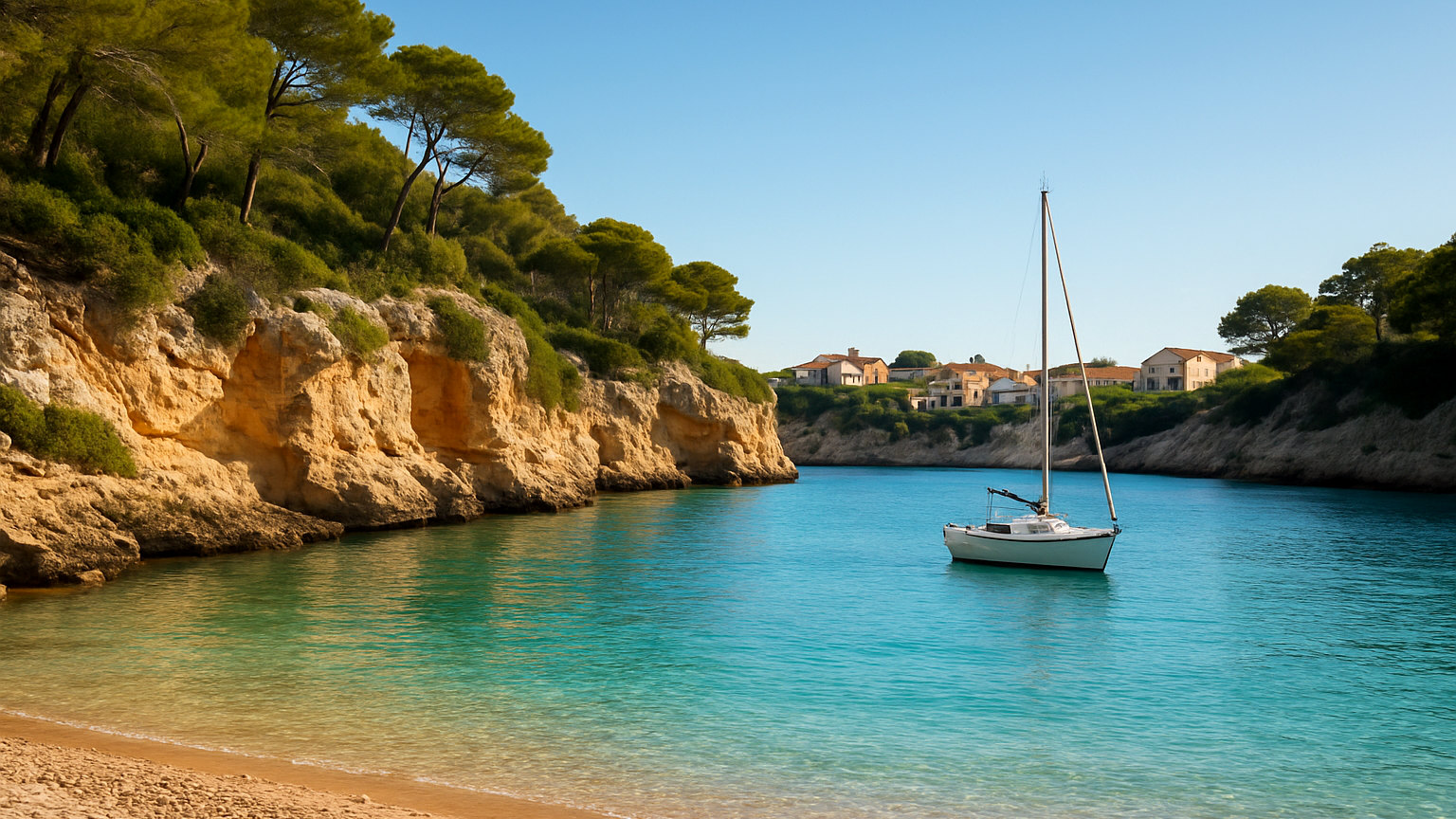
At its annual maximum, typically twenty-five or twenty-six degrees across the Mediterranean and holding through the month. This is warmer than June by several degrees and is the single best argument for September over early summer.
When do the crowds leave?
From the first week, as continental school holidays end, and decisively by the middle of the month. British school holidays end earlier than most of Europe, so the first week is still busy in places popular with other nationalities.
What is September best for?
Almost everything. Beaches, with warm water and space. Southern European cities, now comfortable for walking all day. The Greek islands, which are at their best. Italy, before the autumn rain. And the wine regions, which move into harvest.
What about the harvest?
The vendange and vendemmia run from early September into October across most of Europe, and the wine regions are at their liveliest. The Douro, Piedmont, Burgundy, Rioja, Tuscany and Champagne are all working, and several estates let visitors take part. Accommodation books out in the best regions.
What is on?
Oktoberfest in Munich, which starts in mid-September despite the name and fills the city. La Merce in Barcelona in late September. The Venice film festival in early September. Numerous harvest festivals across France, Italy and Spain.
Is the weather reliable?
Generally yes, with the first signs of autumn arriving late in the month. Rainfall increases across the Mediterranean from mid-September, usually as short heavy storms rather than grey days. The first half of the month is more settled than the second.
What about the mountains?
Excellent, with clear air, autumn colour and quiet trails. High lifts and huts in the Alps and Dolomites generally close from mid to late September, so check dates before planning a route that depends on them.
How much do prices fall?
Substantially from around the tenth, and the last fortnight can be half the August rate for the same room. This combination of lower prices and warmer sea is why September is so consistently recommended.
What is the weather risk?
Rising through the month as the autumn pattern establishes. The first fortnight is generally settled and the second brings an increasing chance of heavy showers in Italy, Spain and Greece. The Canaries remain dry throughout.
Who does September suit?
Almost everyone not tied to school dates. Couples, walkers, city travellers, beach holidays and wine trips are all better in September than in any summer month, and the only real losers are families who cannot travel then.
What about the days?
Shortening noticeably, with the equinox around the twenty-second and light until around eight in the Mediterranean at the end of the month. Still long enough for full days outdoors.
What should you check?
Closing dates for mountain lifts and huts, and for smaller Greek and Croatian islands, several of which wind down from late September. Good weather is no use if the ferry has stopped.
Is it good for families?
Only the first week, before schools return, and that week is still busy with continental visitors. Families with pre-school children get the best of the month, with warm sea, space and prices falling from the second week onward.
What about the cities?
Excellent, particularly in the south, where September returns Rome, Seville, Athens and Lisbon to comfortable walking temperatures with the summer crowds gone.
See also Where to Go in Europe in October, which covers a related part of the same decision, and our other Seasons guides.
The short answer
September is the best all-round month in Europe: the warmest sea of the year, departing crowds and prices falling from mid-month. Take the Greek islands, the Mediterranean coasts, southern cities or a wine region at harvest, and travel in the second half rather than the first.