Several of the best places in Europe operate for a matter of weeks. Snow, ferry schedules or sheer remoteness keep them closed for most of the year, which concentrates all their visitors into a narrow window and makes planning around it necessary rather than optional.
Which have the shortest seasons?
The far north. Arctic Norway, Finnish Lapland in summer, the Lofoten islands and northern Sweden are realistically June to August. Iceland highland roads open around late June and close in September, and the interior is inaccessible outside that.
The Faroe Islands and the remoter Scottish islands operate a similarly narrow practical season, limited by weather and ferry reliability rather than formal closure.
What about the mountains?
High alpine routes run mid-June to mid-September, dictated by snow clearance and the opening of huts and lifts. The Tour du Mont Blanc, the Dolomite high routes and the Slovenian Triglav ascent are all effectively three-month propositions. High passes such as the Stelvio and the Grossglockner open and close with the snow.
Which Mediterranean places are short?
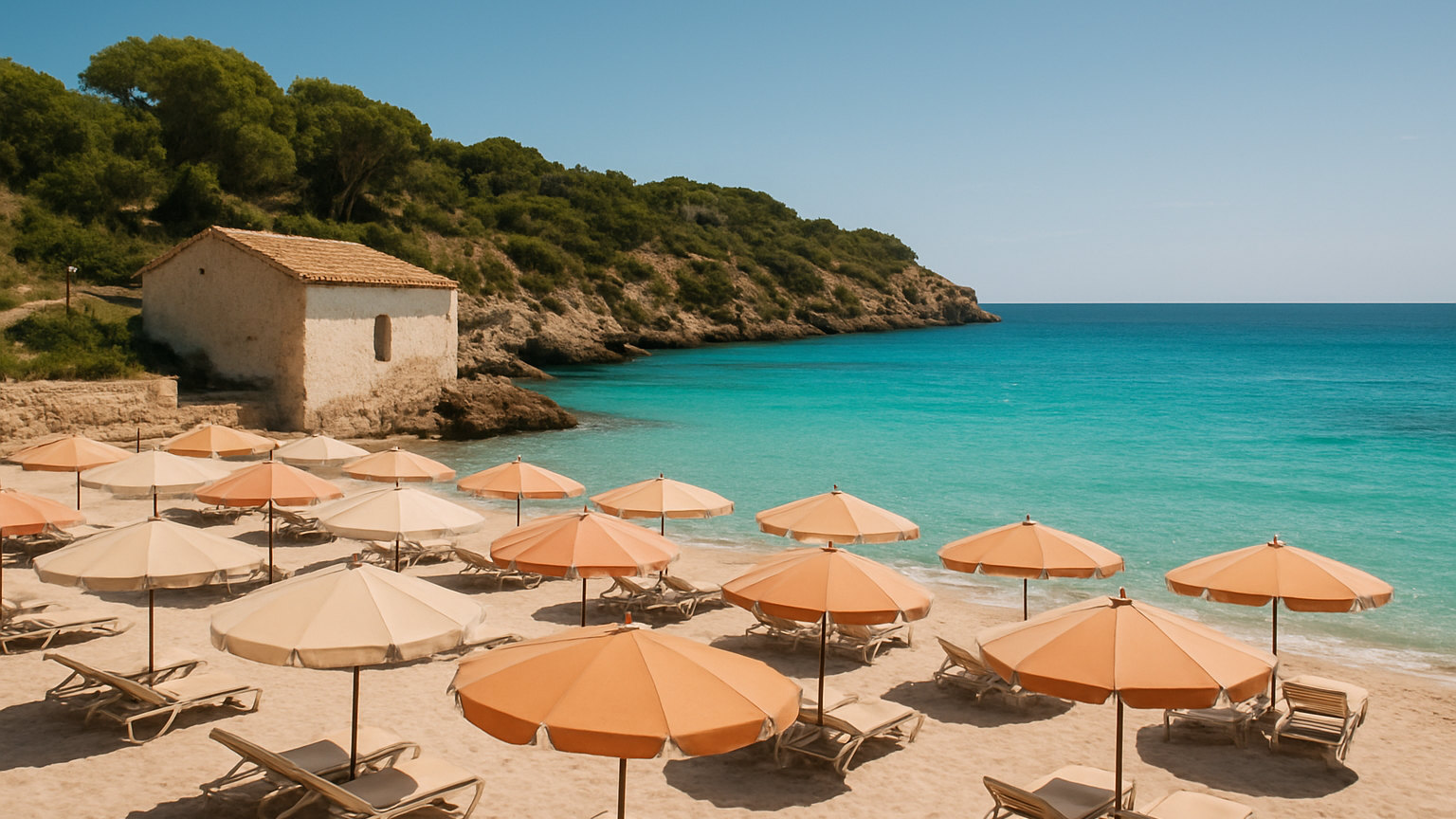
Small Greek islands without a direct airport, several of which have hotels and tavernas open only from June to mid-September. Parts of the Croatian island network. The Bulgarian Black Sea coast, which is effectively June to early September because the sea warms late and cools fast.
Why are they short?
Because a business serving only visitors cannot cover its costs through a nine-month absence of visitors. Where there is no resident population and no winter trade, everything closes. Where a town has residents, it stays open. That distinction predicts nearly every case.
What does it mean for booking?
Book early, because capacity is genuinely fixed rather than merely expensive. A small island with two hundred beds and a ten-week season sells out in a way a Spanish coast with fifty thousand does not. Mountain huts in the Dolomites in August are booked months ahead.
How do you find the edges?
The first and last fortnight of any short season are the best value and carry the most risk. A Greek island in mid-September is quiet and warm with half the tavernas closed; a Dolomite hut in mid-June may be reached over snow. Both are worth doing with the risk understood.
What should you check?
The ferry or flight timetable for your specific dates, which is the constraint that most often catches people out. Hut and lift opening dates, published by the operators each year. And whether your accommodation is open, since a hotel taking bookings does not guarantee the resort around it is trading.
Is the narrow window worth it?
Frequently, since short seasons correlate with places worth going to. The Lofoten islands in July, a Dolomite hut in August or an unconnected Greek island in June are all among the best experiences available in Europe, and the difficulty of reaching them is part of why they stay good.
Which destinations have the longest?
The other end of the scale, for comparison. The Canaries operate year round. Cyprus and Malta run roughly March to November. Southern Turkey and the larger Greek islands April to late October. Mainland Spain and the Balearics April to October. All of these give real flexibility over dates.
Does it affect flight availability?
Directly, and it is the constraint people notice last. Routes to seasonal destinations exist only within the season, so a Greek island can be warm and pleasant in late October with no flights home. Check the schedule for your return date, not just the outbound.
What about the weather at the edges?
Less settled than the middle. Early June in the Arctic can still be cold and late September in the Alps brings the first snow at altitude. The season exists where it does for a reason, and the fortnight either side is a genuine gamble rather than a technicality.
How Do You Plan a Summer Road Trip in Europe? answers a related question in more depth, and there is more of the same across our Seasons guides.
The short answer
Arctic Norway, Iceland interior, high alpine routes, the Faroes and unconnected Greek islands all run for a matter of weeks. Book early because capacity is fixed, check the ferry and lift timetables for your actual dates, and treat the season edges as cheaper and riskier.