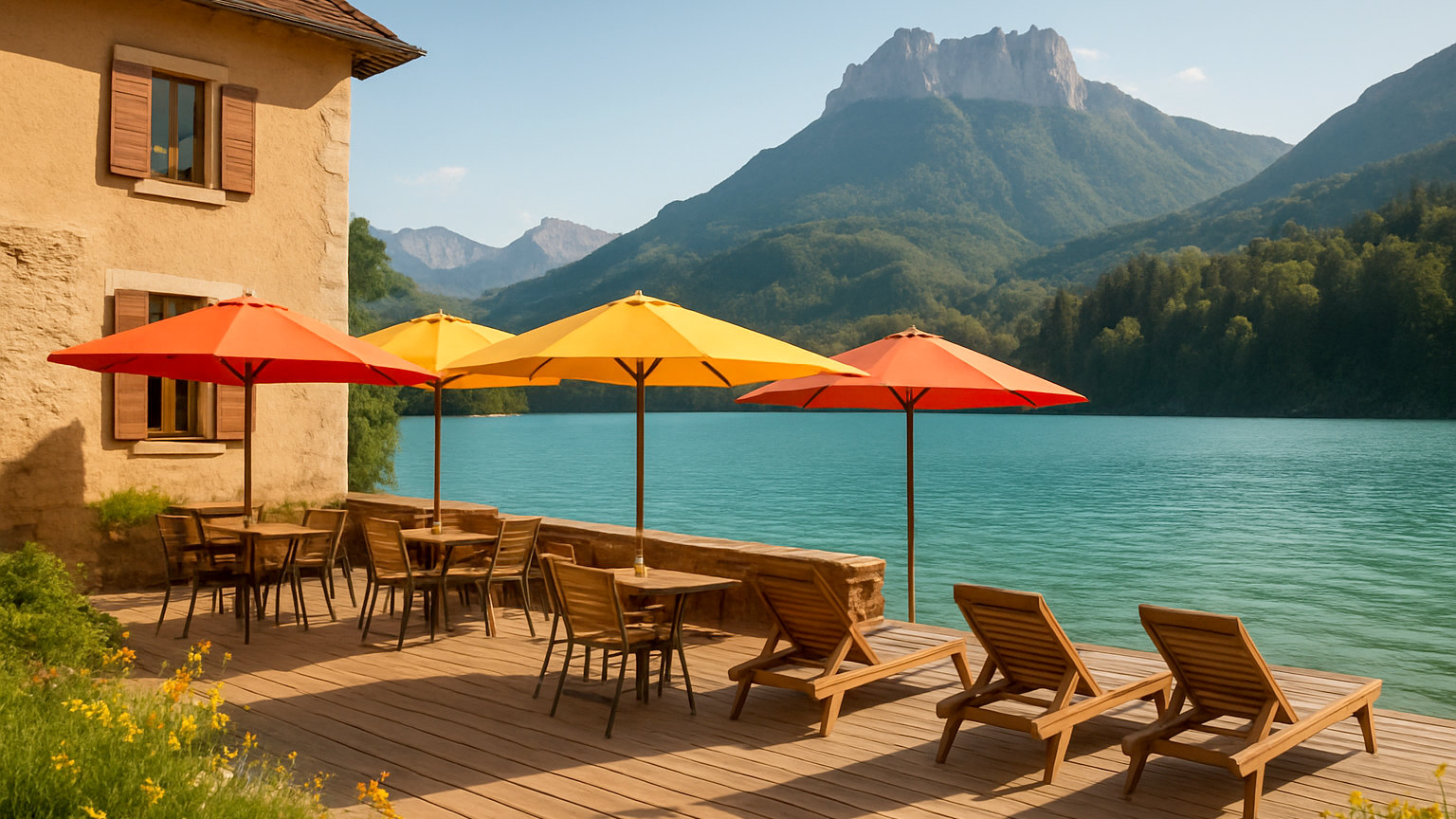
Alpine resorts in summer are among the best value holidays in Europe. The same rooms that command peak prices in February cost a fraction in August, the temperature sits in the low twenties, and the walking ranges from a level path beside a lake to multi-day routes between huts.
Which range should you choose?
The Dolomites for scenery, which are unlike anywhere else in Europe, with pale vertical rock towers above green meadows. Val Gardena, Alta Badia and Cortina are the main bases, and the network of lifts and huts is the densest in the Alps.
The French Alps around Chamonix for high mountain drama and the Tour du Mont Blanc. The Bernese Oberland in Switzerland for the classic postcard combination of peaks and lakes.
What are the cheaper options?
The Julian Alps in Slovenia, centred on Bled, Bohinj and the Triglav national park, which offer alpine scenery at central European prices. The High and Low Tatras in Slovakia and Poland. The Pyrenees on both the French and Spanish sides. All three are considerably cheaper than Switzerland or France.
What is lift-assisted walking?
The thing that makes alpine summers accessible to almost anyone. Cable cars and chairlifts run through the summer, carrying you to two thousand metres or more, from where you walk along a ridge or down to the valley. It removes the climb, which is the part that puts people off, and opens serious scenery to ordinary fitness.
What are mountain huts like?
Considerably better than the name suggests, particularly in Italy and Austria. Most serve full meals, many have private rooms as well as dormitories, and the Dolomite rifugi are known for good food. Booking is necessary in July and August, and payment is often cash only.
A night in a hut is among the most memorable and least expensive things available in European travel.
When is the season?
Mid-June to mid-September for high routes, once the snow has cleared and the lifts and huts open. Late June and early September are the quietest good weeks. Before mid-June and after late September, much is closed and high paths may still hold snow.
What is the weather like?
Warm mornings and a genuine chance of afternoon thunderstorms, which is the standard alpine summer pattern. Starting early and finishing by mid-afternoon is the normal response, and it is why huts serve lunch at eleven. Conditions change quickly with altitude and a layer is always necessary.
Does it work with children?
Very well. Lifts, summer toboggan runs, adventure parks, lake swimming and marked easy trails are standard in the larger resorts, and the Dolomites and Austrian Tyrol are particularly geared to families. Many lifts carry pushchairs.
Do you need a car?
Helpful and not essential in the well-developed valleys. Austrian and Italian alpine resorts have good bus networks included in local guest cards, and Switzerland has the best mountain public transport in the world. In the Tatras and the Pyrenees a car is more useful.
How much does it cost?
Considerably less than the same resort in winter. Alpine accommodation in August is frequently a third or less of the February rate, and lift passes are cheaper. Many resorts include a guest card with free local buses and lift discounts, which is worth asking about at check-in since it is not always volunteered.
What should you take?
Proper footwear with ankle support for anything beyond a valley path, waterproofs, layers, sun protection, which is stronger at altitude than at sea level, and water. Mountain weather changes quickly and the temperature difference between a sheltered valley and an exposed ridge is substantial.
Is it safe for inexperienced walkers?
On marked, graded trails, yes. European mountain paths are signed with difficulty ratings, and staying on the easy and intermediate ones requires no technical skill. Via ferrata routes and glacier crossings are different and need equipment and guidance.
Is Northern Europe Better Than the South in Summer? goes into more detail on a closely related question, and the rest of our Seasons section covers the wider subject.
The short answer
The Dolomites for scenery, Chamonix and the Bernese Oberland for high mountains, and the Julian Alps or the Tatras for value. Go between mid-June and mid-September, use the lifts to skip the climb, book huts ahead, and start early because of afternoon storms.