Peak summer in Europe means higher prices, larger crowds and, in the south, uncomfortable heat. It is also the only time several kinds of holiday are possible at all, and for people tied to school dates it is not a choice. The honest position is that it is the wrong time for some trips and the only time for others.
What do you lose?
Money, primarily. Accommodation in the Mediterranean in the first fortnight of August can be two or three times the late September rate for worse conditions. You also lose space, spontaneity, and in the south the usable middle of the day.
What do you gain?
Everything being open and running at full strength. Resorts have all their restaurants trading, entertainment programmes are complete, lifts and ferries run their fullest schedules, and flight availability is at its best. This matters more than people expect in shoulder seasons.
Which trips are genuinely better in peak summer?
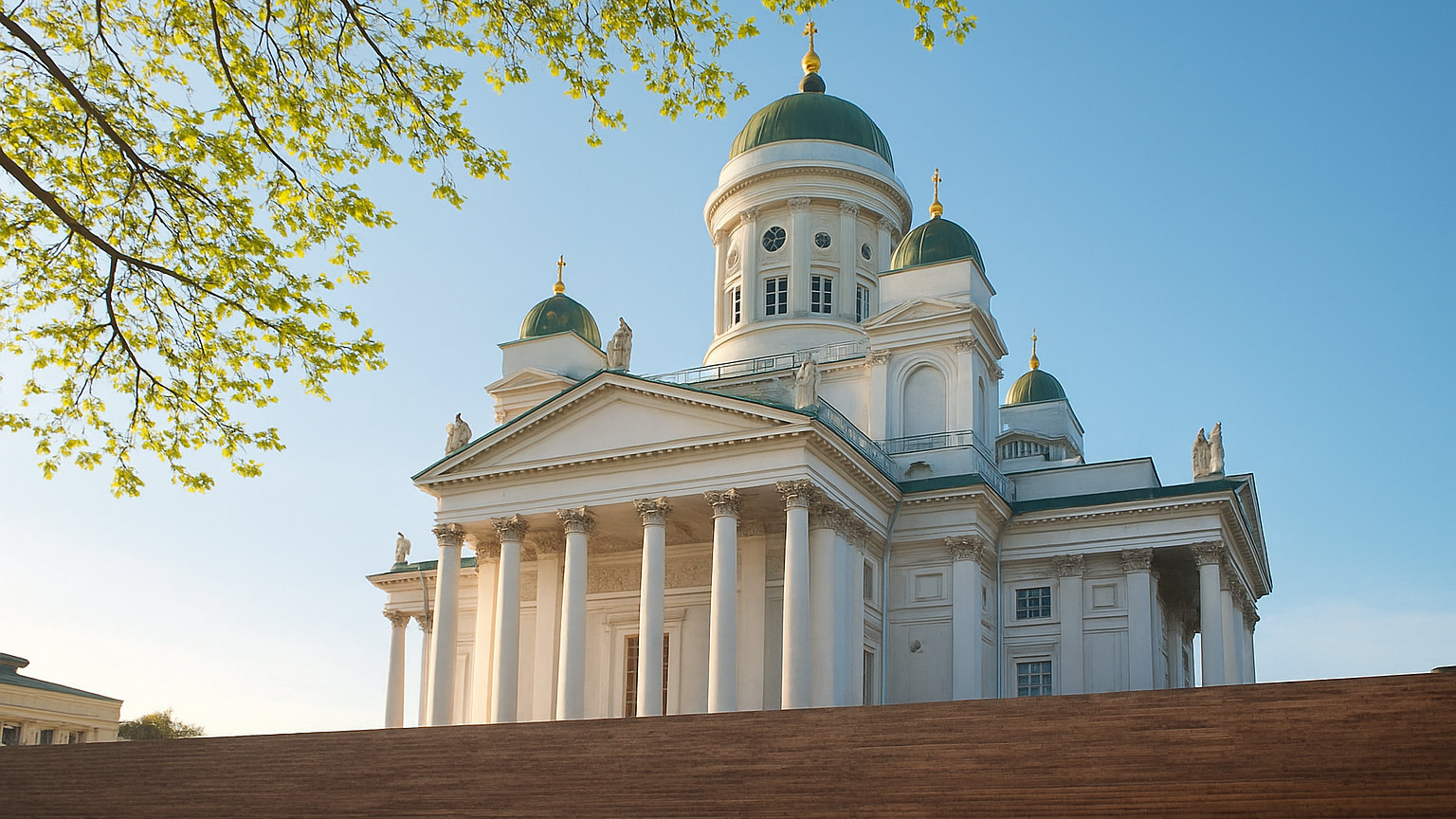
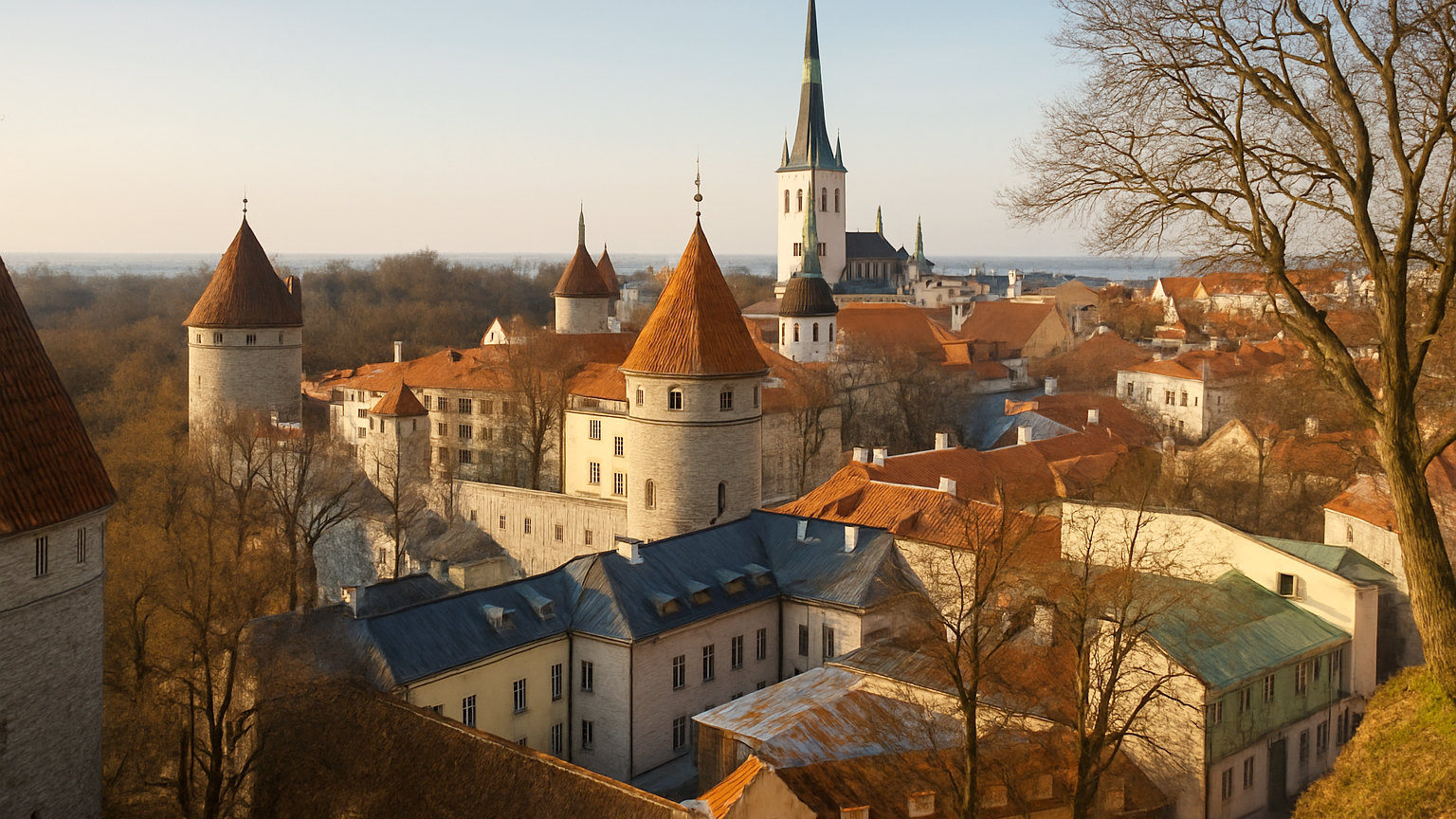
Anything in northern Europe or at altitude. Scandinavia, the Baltic and Scotland are only properly accessible in July and August. High alpine walking requires the snow to have cleared and the huts and lifts to be running, which is mid-June to mid-September.
Also anything requiring warm water for extended swimming with children, and festivals, which are concentrated in these months.
Which are clearly worse?
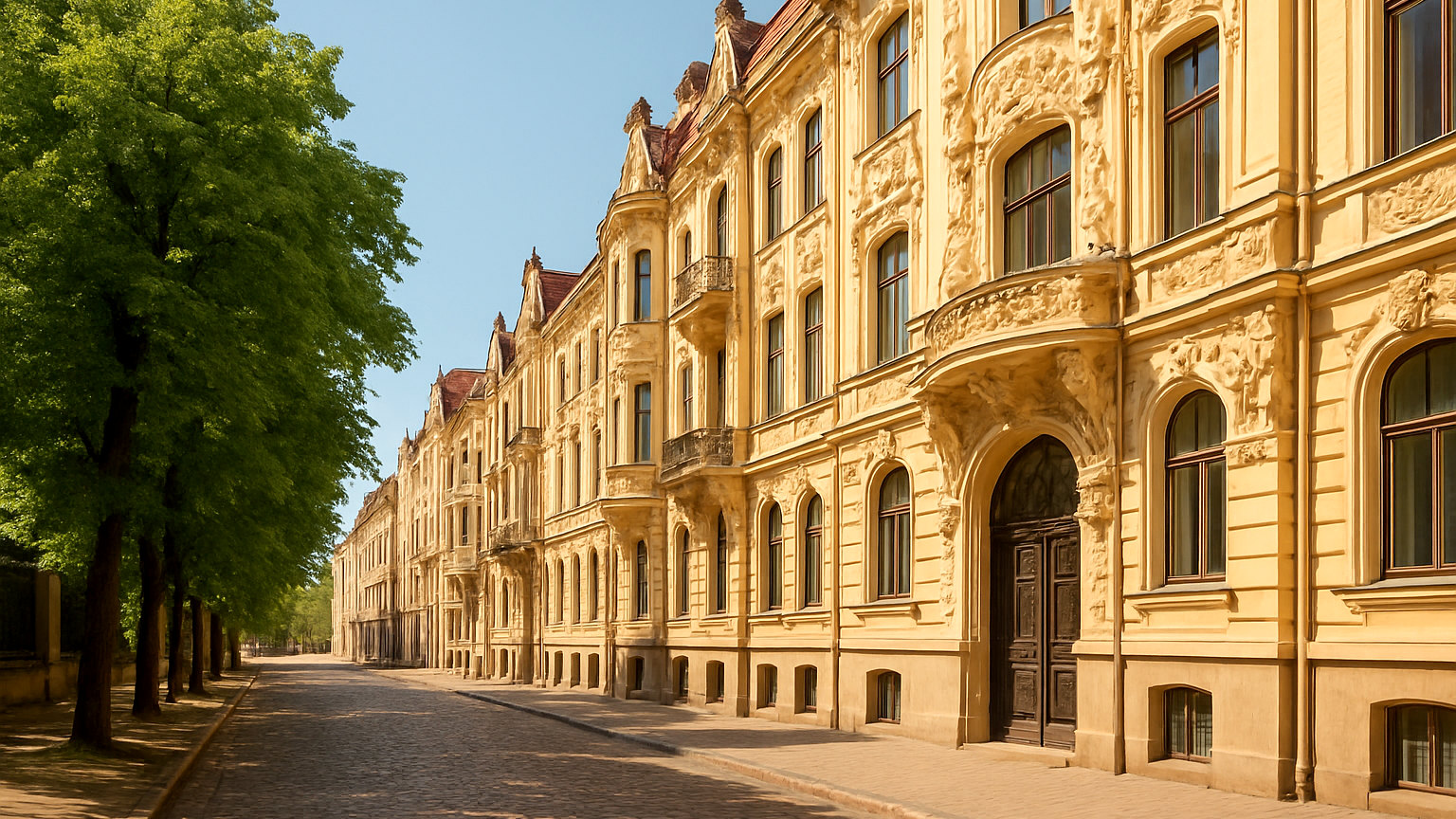
Southern European cities, where the heat limits sightseeing and the queues peak. Archaeological sites with no shade. Small constrained destinations such as the Cinque Terre, Dubrovnik and Santorini. Touring holidays, where the roads and the accommodation are both under pressure.
How much difference does a fortnight make?
A great deal. The last week of August and the first of September are dramatically calmer and cheaper than the first fortnight of August, with the sea at its warmest. Continental schools return earlier than British ones, so late August is quieter than the dates suggest.
Can you make peak season work?
Yes, with a few adjustments. Book everything in advance. Be out before nine and after six. Choose destinations with capacity rather than constrained ones. Accept the middle of the day indoors in the south. And go north or high if the heat is the objection rather than the crowds.
Is it different for a short break?
Worse, proportionally. Queues and heat consume a larger share of three days than of fourteen, and the premium is paid on the same flights. City breaks in particular are much better in the shoulder months or the winter.
Does it depend on the destination type?
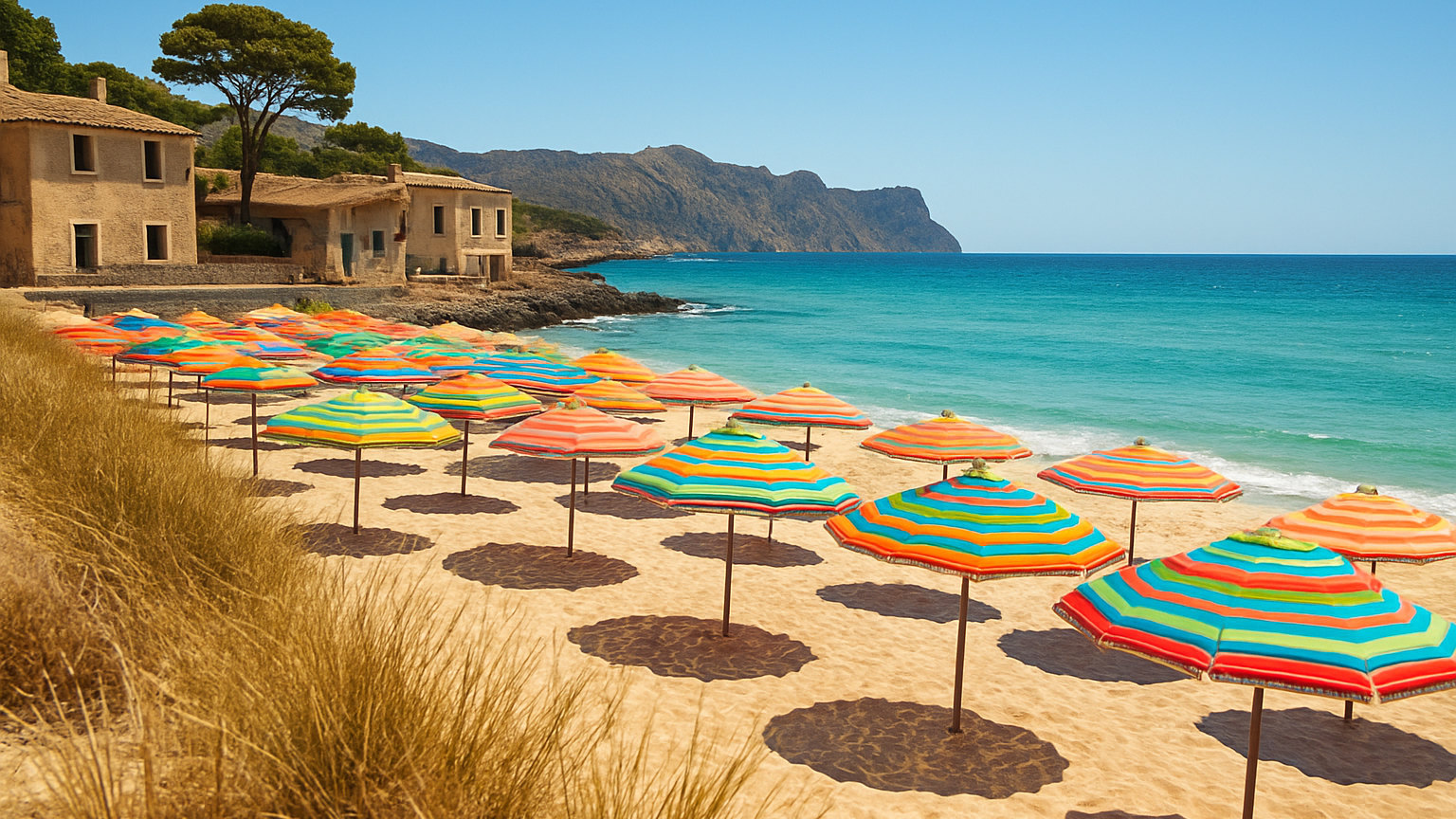
Almost entirely. A beach resort with a pool functions perfectly well in August. A touring holiday through Tuscany does not. The question is whether your trip involves standing in the sun and queueing, or sitting in the shade by water.
What about the weather reliability?
The strongest argument for peak season. July and August in the Mediterranean are close to guaranteed, with rainfall at its annual minimum and long settled spells. Shoulder months are better in almost every other respect and carry a genuine chance of an unsettled week, which matters on a short trip.
Is it different for families?
Substantially, because the choice does not exist. For anyone tied to school dates the question is not whether to travel in peak season but how to do it well, which means booking early, choosing capacity over charm and keeping the transfer short.
What is the best compromise?
The last week of August into the first of September, which combines the warmest sea of the year with falling prices and continental schools already back.
Does it affect where you can go at all?
Yes, in both directions. Some places are only open in peak summer, including high mountain huts, several Greek islands and much of Scandinavia beyond the cities. Others are effectively closed to a pleasant visit by the crowds. The calendar restricts the options as much as it prices them.
If you are planning further, Which European Lakes Are Warm Enough to Swim In? covers the next part of the decision, and there is more in our Seasons guides.
The short answer
Peak summer is right for northern Europe, the mountains and beach holidays with young children, and wrong for southern cities, archaeology and touring. If you are tied to it, book early, choose somewhere with capacity, and take the last week of August rather than the first.