Spending a month or a season somewhere warm is a different proposition from a week, and the destinations that suit it are not the same. What matters is not the resort but whether the place functions as somewhere to live: a supermarket, a doctor, a bus, and enough going on that the fourth week is not the same as the first.
How much cheaper is a long stay?
Substantially. Weekly and monthly rates on apartments fall sharply with duration, and a month frequently costs well below four separate weeks. Owners prefer a single long booking out of season, and asking directly for a monthly figure often produces a better price than the advertised nightly rate.
Where works best?
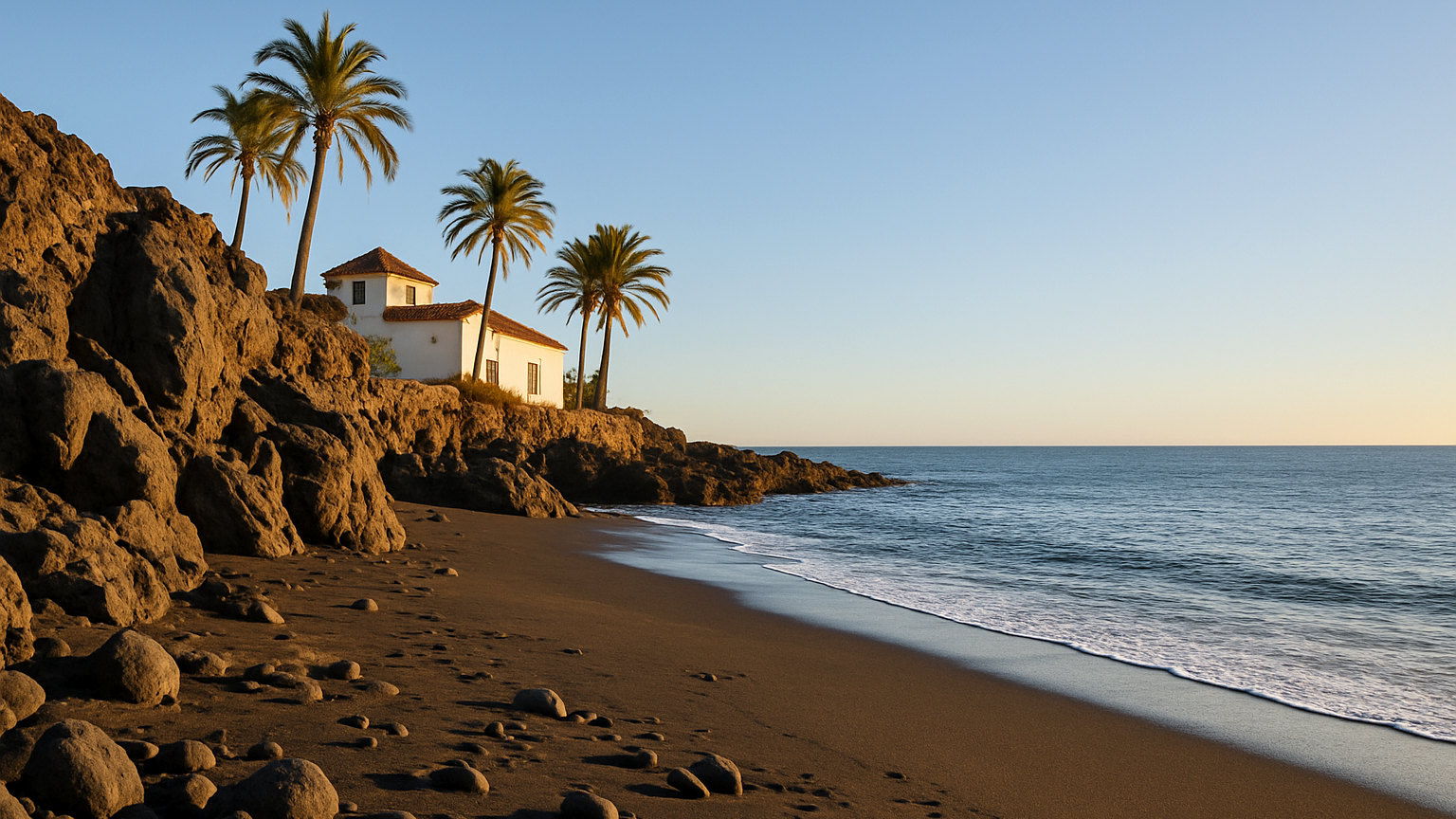
The Canaries, principally Gran Canaria and Tenerife, which have the infrastructure, the flight connections and enough variety for several weeks. Las Palmas and Puerto de la Cruz both function as cities rather than resorts, which matters over a month.
Beyond them, the Algarve, southern Spain around Malaga and Almeria, Malta and Cyprus all have established long-stay communities, with the trade-off of cooler weather.
What should you look for in accommodation?
A proper kitchen, a washing machine, reliable internet and somewhere to sit that is not the bedroom. Over a month these matter far more than a sea view. Also heating, since evenings are cool and many southern European properties have very little.
What about the practicalities?
British visitors can generally stay in the Schengen area for up to ninety days in any one hundred and eighty, which covers a winter but not an indefinite stay, and the rules are strictly counted. Cyprus and Malta are in the EU, and Cyprus is not currently in Schengen, which affects how the days count.
These rules change, so check the current position on official government pages before planning anything longer than a few weeks.
What about healthcare?
A GHIC covers state healthcare in EU countries on the same terms as residents, and it does not replace travel insurance. Standard annual travel policies usually cap single trips at around thirty or sixty days, so a longer stay may need a specific long-stay policy. Check the trip limit rather than assuming.
How do you avoid boredom?
By choosing somewhere with a life of its own rather than a resort built for weekly visitors. A town with a market, a library, a swimming pool and a bus route sustains a month; a strip of hotels does not. Learning some of the language, joining a walking group or taking a class are what most long-stay visitors end up doing.
What is the best time to go?
January to March, which avoids the Christmas peak and covers the worst of the British winter. Booking from mid-January to mid-March also avoids the February half term spike at both ends.
Is it cheaper than staying home?
For some people, once heating costs at home are set against a cheap monthly rental in a warm country. That calculation is genuinely part of why long winter stays have grown, and it depends heavily on your own circumstances.
What about banking and post?
Worth sorting before a long stay. A card with no foreign transaction fee matters far more over three months than over a week, and mail redirection or a trusted address at home avoids problems. Many long-stay visitors keep a UK address for official correspondence.
Is the internet good enough to work?
In the Canaries and the main Spanish and Portuguese towns, generally yes, and fibre is widespread. Test the specific property rather than assuming, and ask for a speed figure if working remotely is the point. Coworking spaces exist in Las Palmas, Funchal and several Algarve towns.
See also Which Winter Destinations Are Best for Walking?, which covers a related part of the same decision, and our other Seasons guides.
The short answer
Choose a real town rather than a resort, ask directly for a monthly rate, and prioritise a kitchen, internet and heating over a view. Gran Canaria and Tenerife work best, check the ninety-day Schengen limit, and confirm your insurance covers the full trip length.