Most hotels are a means to an end. A small number are the end itself, where the building, the setting or the experience justifies the journey on its own. They fall into four kinds, and the most memorable are frequently not the most expensive.
What are the four kinds?
Buildings that were something else first. Properties in places you could not otherwise reach. Hotels built around a single remarkable view. And places where the experience is the point rather than the accommodation.
Which converted buildings are best?
The Spanish paradores and Portuguese pousadas, state-founded networks occupying castles, monasteries, convents and palaces at mid-range prices. There is nothing comparable elsewhere in Europe for the combination of building and cost.
Beyond them, monastery and convent stays in Italy, cave hotels in Matera, and a growing number of converted industrial buildings in Berlin, Rotterdam and the Ruhr.
What about mountain huts?
Among the most memorable and least expensive nights available in Europe. Alpine rifugi and hutten sit at altitudes no road reaches, serve full meals, and put you above the cloud for sunrise. The Dolomite huts in particular combine genuinely good food with extraordinary positions.
They require a walk to reach, booking well ahead in summer, and frequently cash.
Which places are otherwise unreachable?
Lighthouse conversions on the Croatian and Scottish coasts. Island properties reached only by boat. Remote Scottish and Irish estates. Finnish and Norwegian cabins beyond the road network. The inaccessibility is the product.
Which are built around a view?
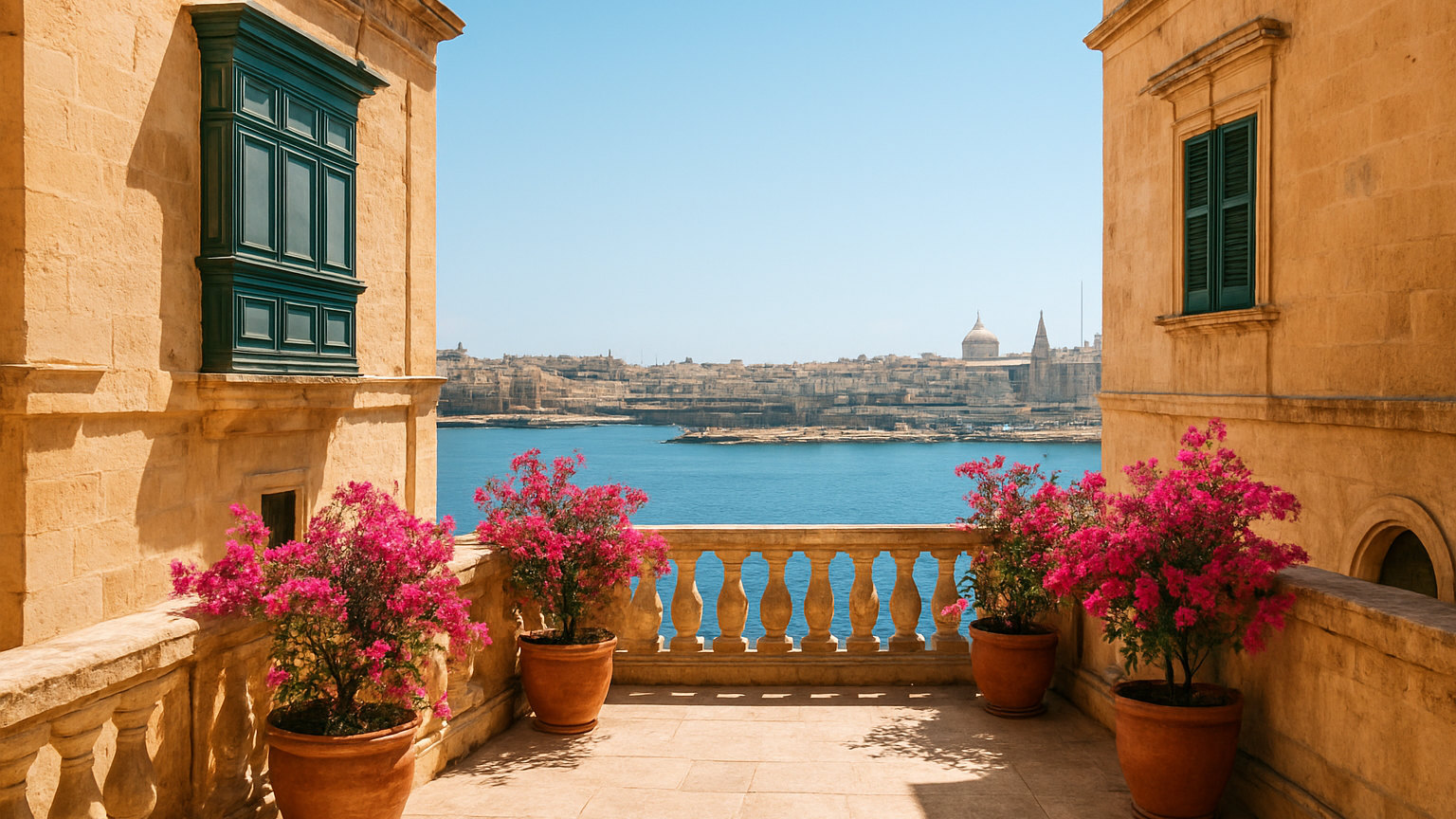
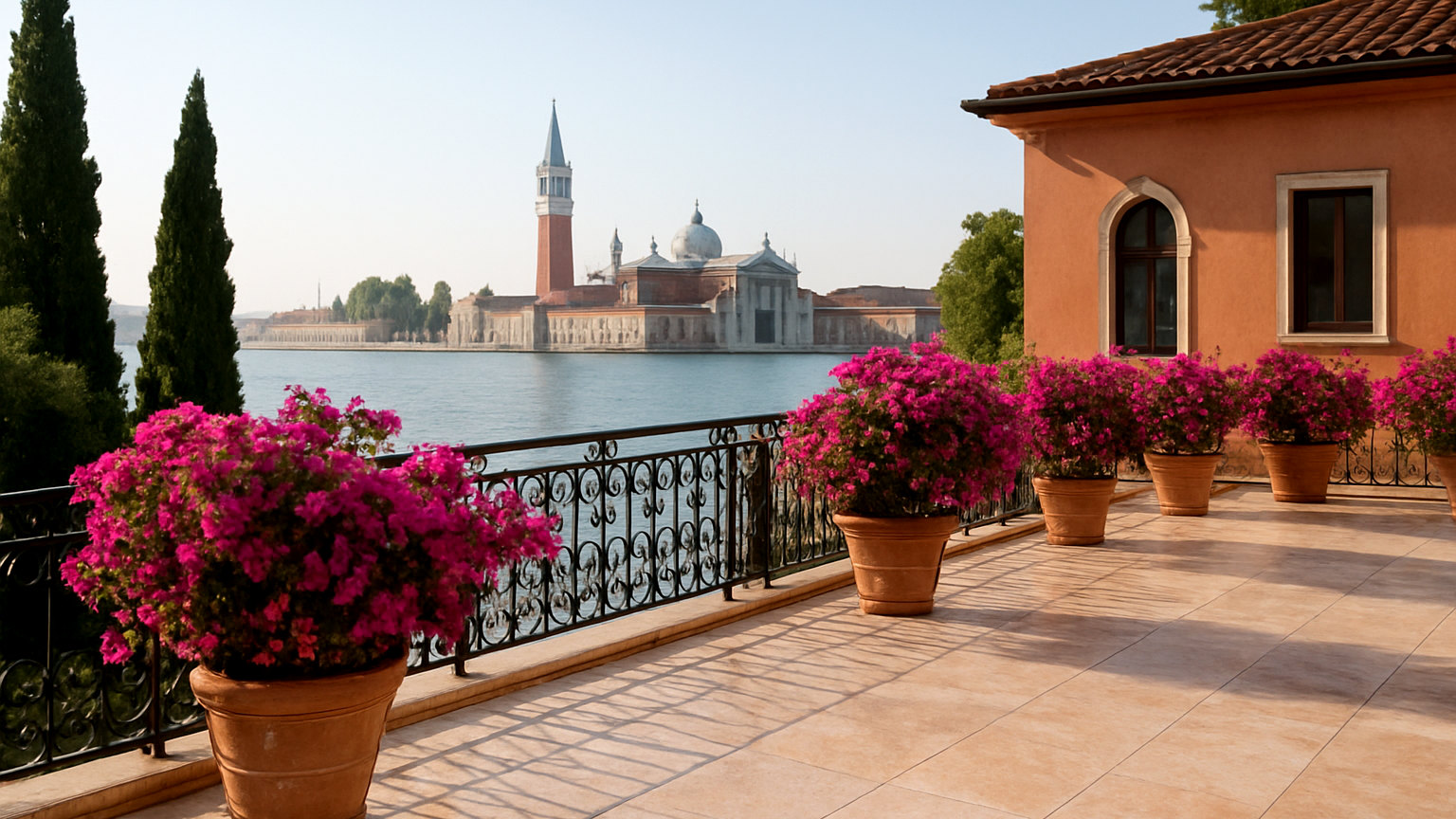
Hotels facing the Matterhorn, the Eiger or Mont Blanc. Santorini caldera properties. Amalfi Coast cliff hotels. Norwegian fjord lodges. In all of these the room is secondary and the terrace is the purchase, which is worth understanding before comparing room sizes.
What about experience-led stays?
Ice hotels in Swedish and Finnish Lapland, rebuilt each winter. Treehouses and cabins in Sweden. Wine estate stays during harvest in the Douro and Piedmont. Thermal spa hotels in the central European tradition. Each sells a few days of something specific rather than a bed.
Are they expensive?
Very variable, and the correlation with memorability is weak. A Dolomite hut costs very little. A parador is mid-range. An ice hotel or a caldera suite is expensive. Several of the best nights available in Europe are among the cheapest.
How far ahead should you book?
Further than for an ordinary hotel, since these have fixed small capacity. Mountain huts in August, ice hotels, popular paradores and lighthouse conversions all book out months ahead and have no alternative nearby.
What should you check?
How you actually get there, which is frequently the complication. Walking time and difficulty for huts, ferry timetables for islands, road access in winter for mountain properties. And what is included, since remote places often require half board because there is nowhere else to eat.
Is one night enough?
For a hut or an ice hotel, usually. For a parador, a wine estate or a remote lodge, two or three, since the surroundings are part of what you came for and a single night is mostly travel.
What about agriturismo and rural estates?
A quieter version of the same idea and very good value. Italian agriturismi, Spanish casas rurales and Portuguese quintas are working farms and estates letting rooms, frequently with their own wine, oil and cooking. They are among the best value accommodation in Europe and need a car.
Is it worth going out of season?
For most of these, yes. Remote and unusual properties are quieter, cheaper and frequently more atmospheric outside the peak, with the caveat that mountain huts, ice hotels and island properties have short fixed seasons and simply close.
Are Hotel Restaurants Worth Eating In? is the natural next read, alongside the wider Hotels section.
The short answer
Spanish paradores and Portuguese pousadas for historic buildings at mid-range prices, Dolomite mountain huts for the cheapest memorable night in Europe, and lighthouse or island properties for inaccessibility. Book months ahead and check how you actually reach them.