Boutique hotel scenes do not appear evenly. They cluster in cities where three things coincided: a stock of interesting old buildings, property cheap enough to convert, and a design culture with people willing to do it. That combination explains most of the map.
Which city is strongest?
Lisbon, which has the deepest independent hotel scene in Europe relative to its size. Decades of underused buildings in the old quarters met a wave of design-led conversion, and the result is an unusual concentration of small hotels in townhouses and palacetes.
Porto follows the same pattern at a smaller scale and slightly lower prices.
What about Berlin?
The other great example, built on industrial and institutional buildings rather than townhouses. Former factories, printing works and apartment blocks have produced a distinctive stock, and the city has an unusually strong design-led sector at moderate prices.
Which southern cities are strong?
Athens, which has changed enormously and now has a substantial scene of small hotels and rooftop properties. Palermo and Naples, both with grand decaying buildings being converted. Seville and Granada, with courtyard houses turned into small hotels.
What about Italy?
Strong and expensive. Venice, Florence and Rome all have palazzo conversions of real quality, priced accordingly. The better value is in the smaller cities: Bologna, Turin, Lecce and Matera all have distinctive small properties at a fraction of the famous cities.
Where is the best value?
Porto, Athens, Krakow, Budapest, Belgrade and Tbilisi, all with genuine independent scenes at prices well below western Europe. A distinctive small hotel in any of them costs what a mid-range chain does in Amsterdam.
Which cities are weak?
Those dominated by business travel and chain inventory, including Brussels, Frankfurt and several northern European commercial centres. Also cities where the old centre is small and property is extremely expensive, which limits conversion.
What about Amsterdam and Copenhagen?
Both have good design-led hotels and both are expensive, with limited supply and high demand. The quality is there and the value is not, which makes them cities to admire the hotels in rather than to find bargains.
Does the building type shape the city?
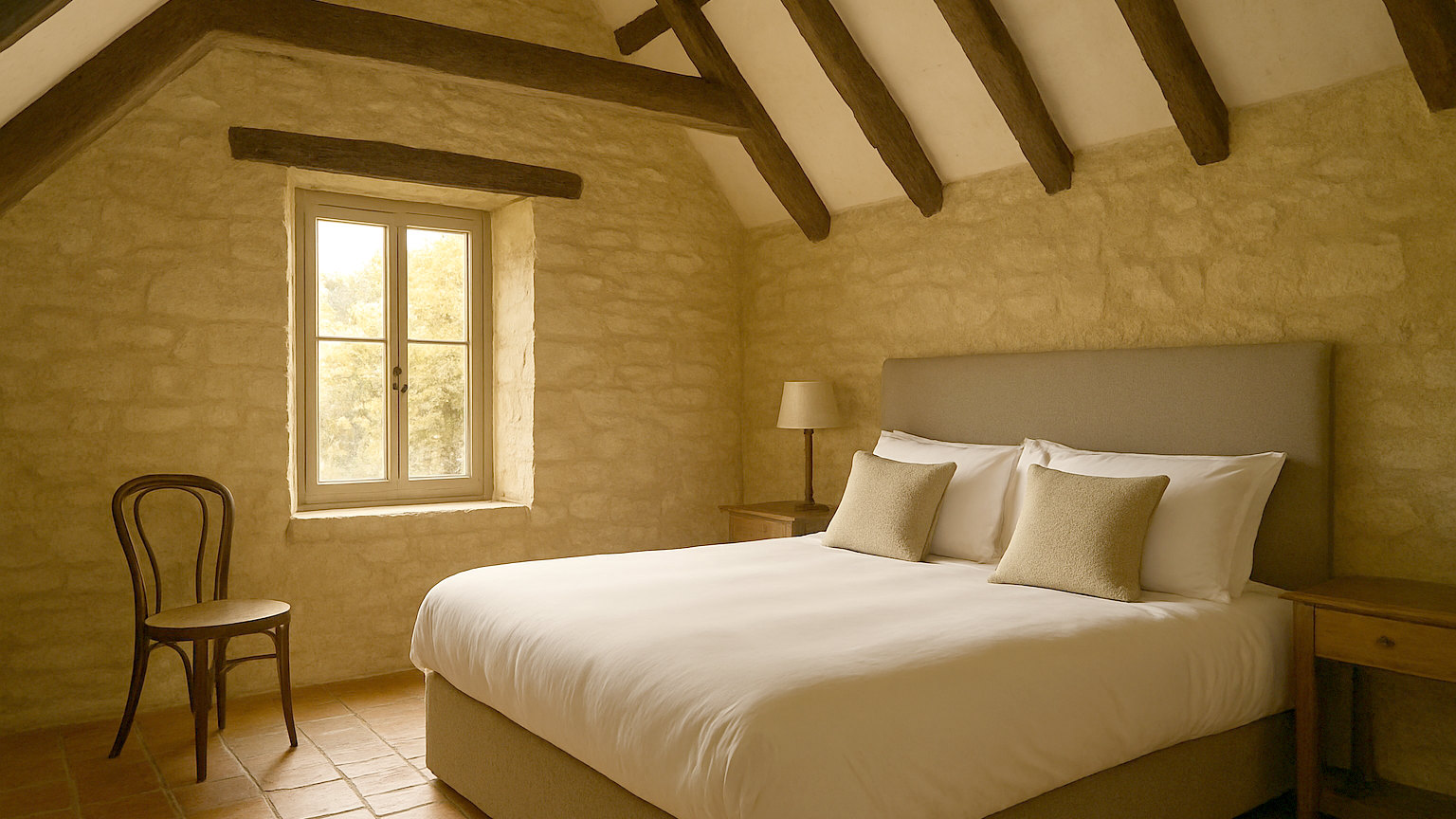
Considerably. Lisbon and Seville run on courtyard townhouses, Berlin on industrial space, Venice on palazzi, Puglia on masserie and trulli. The local building stock determines what the hotels feel like more than any design trend.
Where are the rooftops?
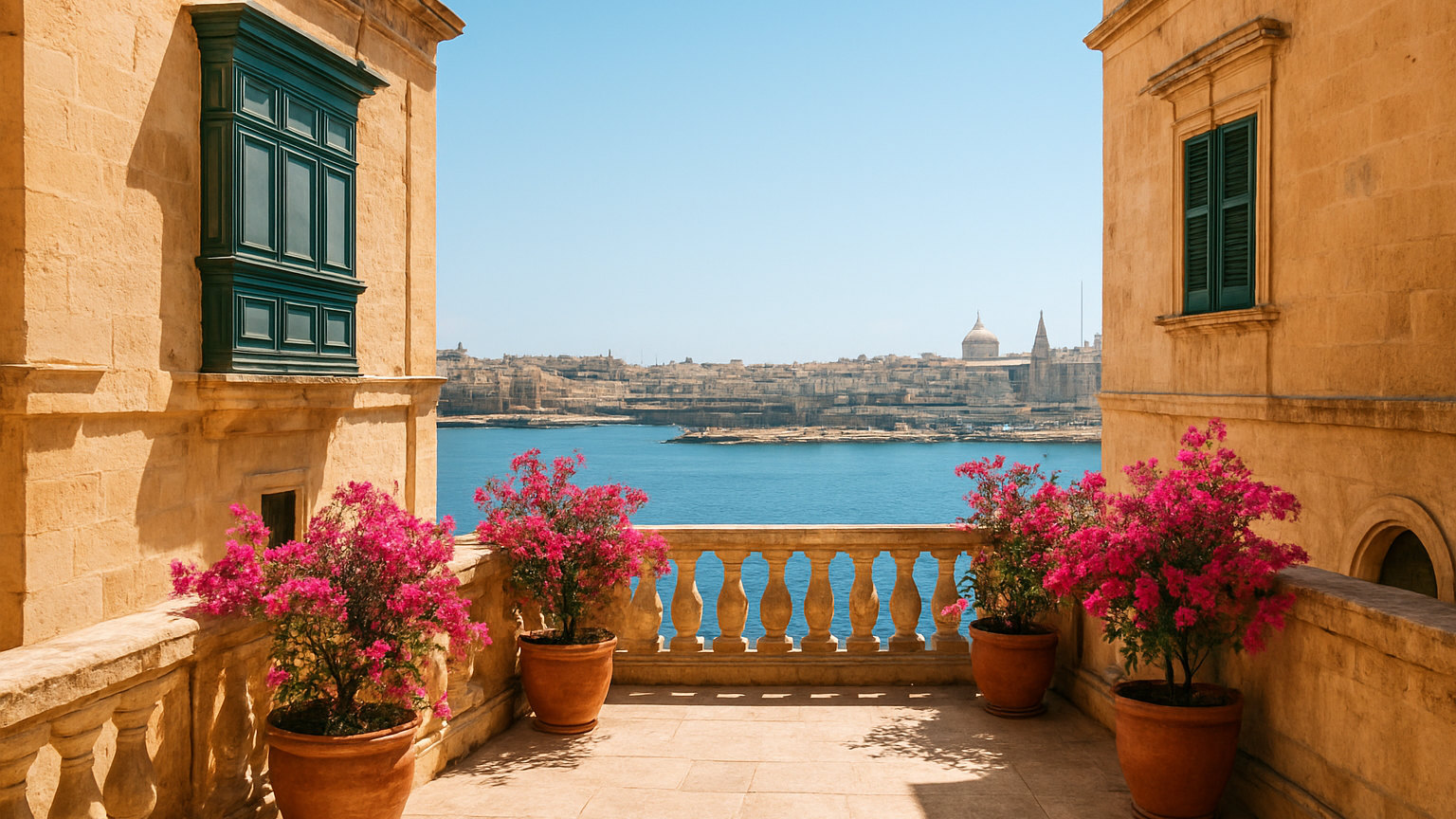
Athens above all, where the Acropolis view has produced a whole category of small hotels with roof terraces. Lisbon, Rome, Barcelona and Budapest follow. In these cities a rooftop is worth prioritising over room size.
Which city should you choose first?
Lisbon or Porto for the deepest scene at reasonable prices, Berlin for the most distinctive conversions, and Athens for the best combination of value and views.
What about the Nordic cities?
Strong on design and short on independence, since much of the good stock belongs to Scandinavian hotel groups running design-led brands. The quality is high and the small independent scene is thinner than in southern Europe, and everything is expensive.
Where is the scene growing fastest?
Athens, Naples, Palermo, Belgrade and Tbilisi, all cities with underused historic buildings and property prices low enough to make conversion viable. These follow the pattern Lisbon went through and currently offer similar value.
Does the season change the value?
More than at chains. Small hotels discount steeply out of season because they cannot fill on volume, so a November booking in Venice or Lisbon can be half the spring rate.
What about the smaller towns?
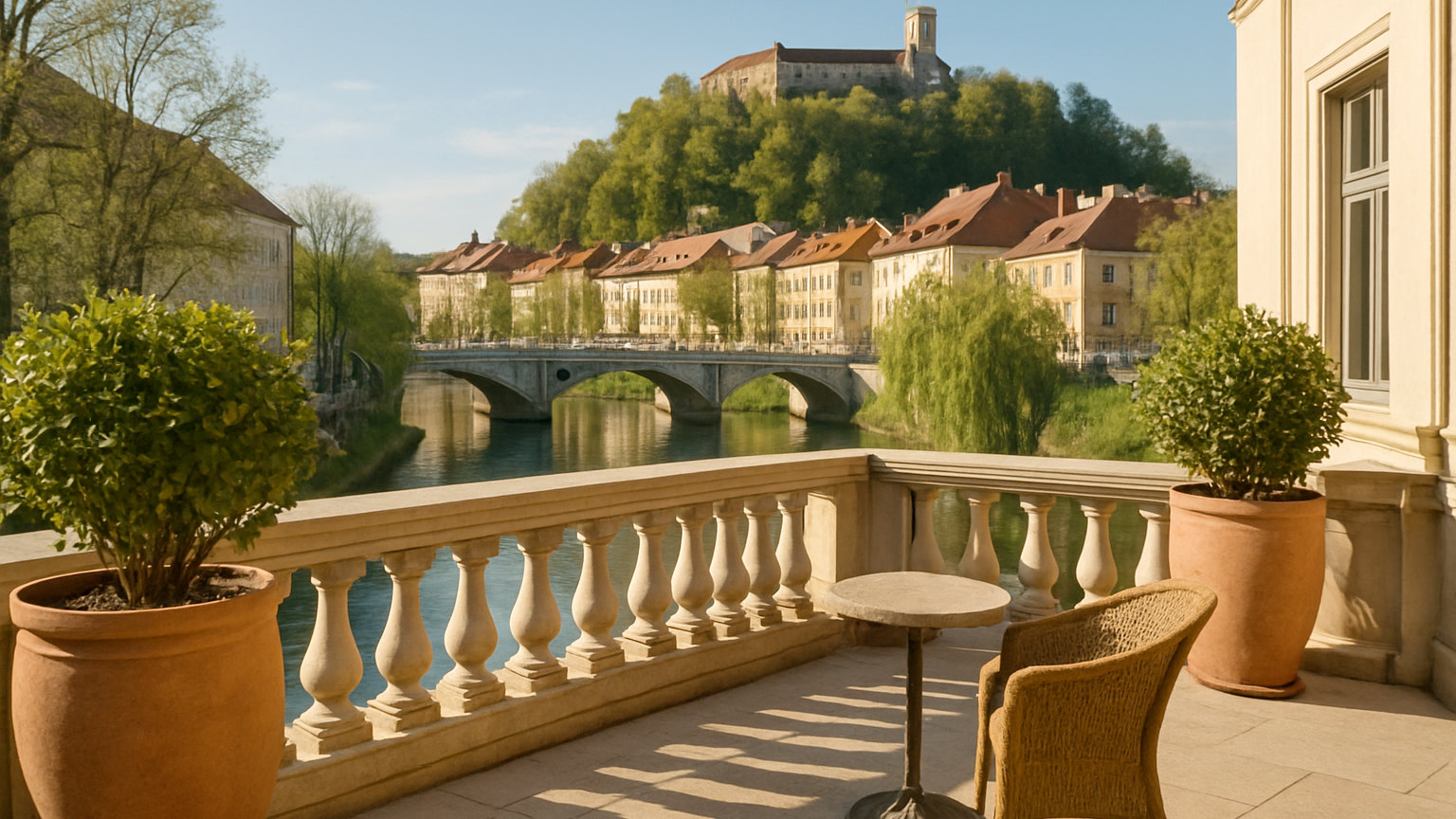
Frequently better than the capitals. Matera, Lecce, Evora, Ronda, Cesky Krumlov and Ljubljana all have small conversions of real quality, without the prices or the crowds of the famous cities. A boutique stay is often the main reason to base in a small town rather than a city.
For the next step, see What Do You Give Up at a Small Hotel?, or browse the full Hotels section.
The short answer
Lisbon has the deepest scene, Berlin the most distinctive buildings, and Athens the best combination of value and rooftops. Porto, Krakow, Budapest and the smaller Italian cities offer the best prices, while Amsterdam, Copenhagen and Venice have quality without value.