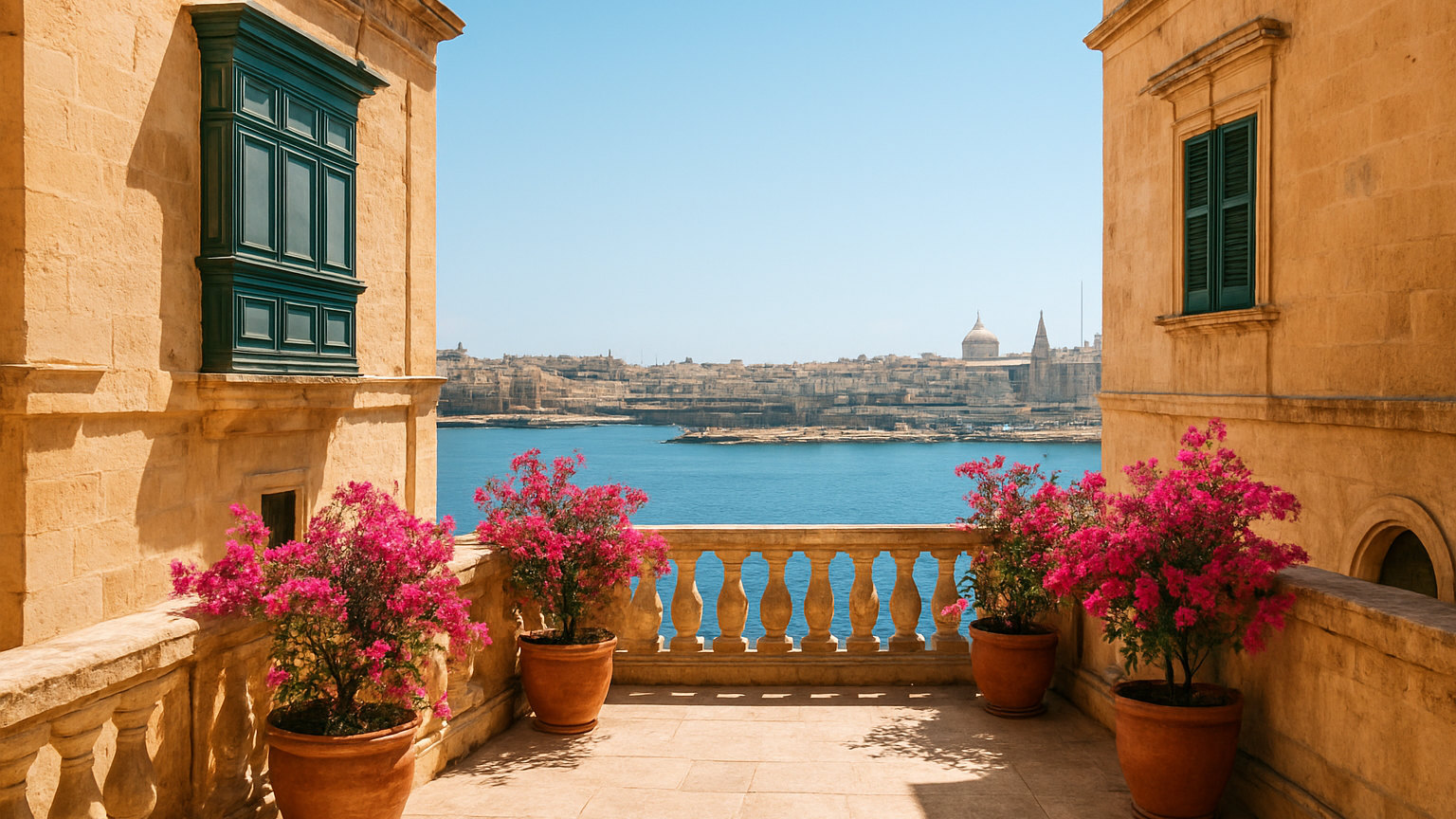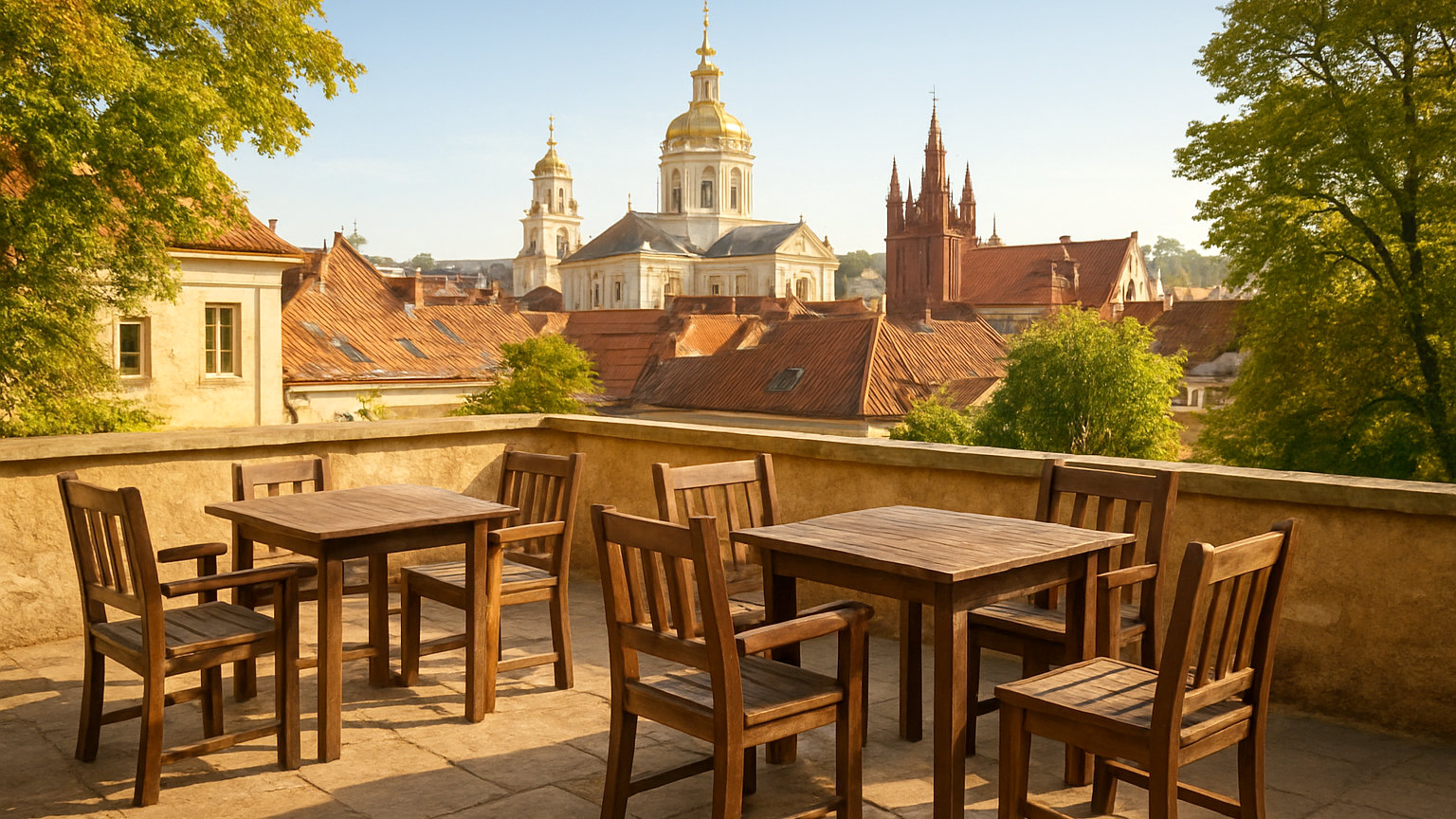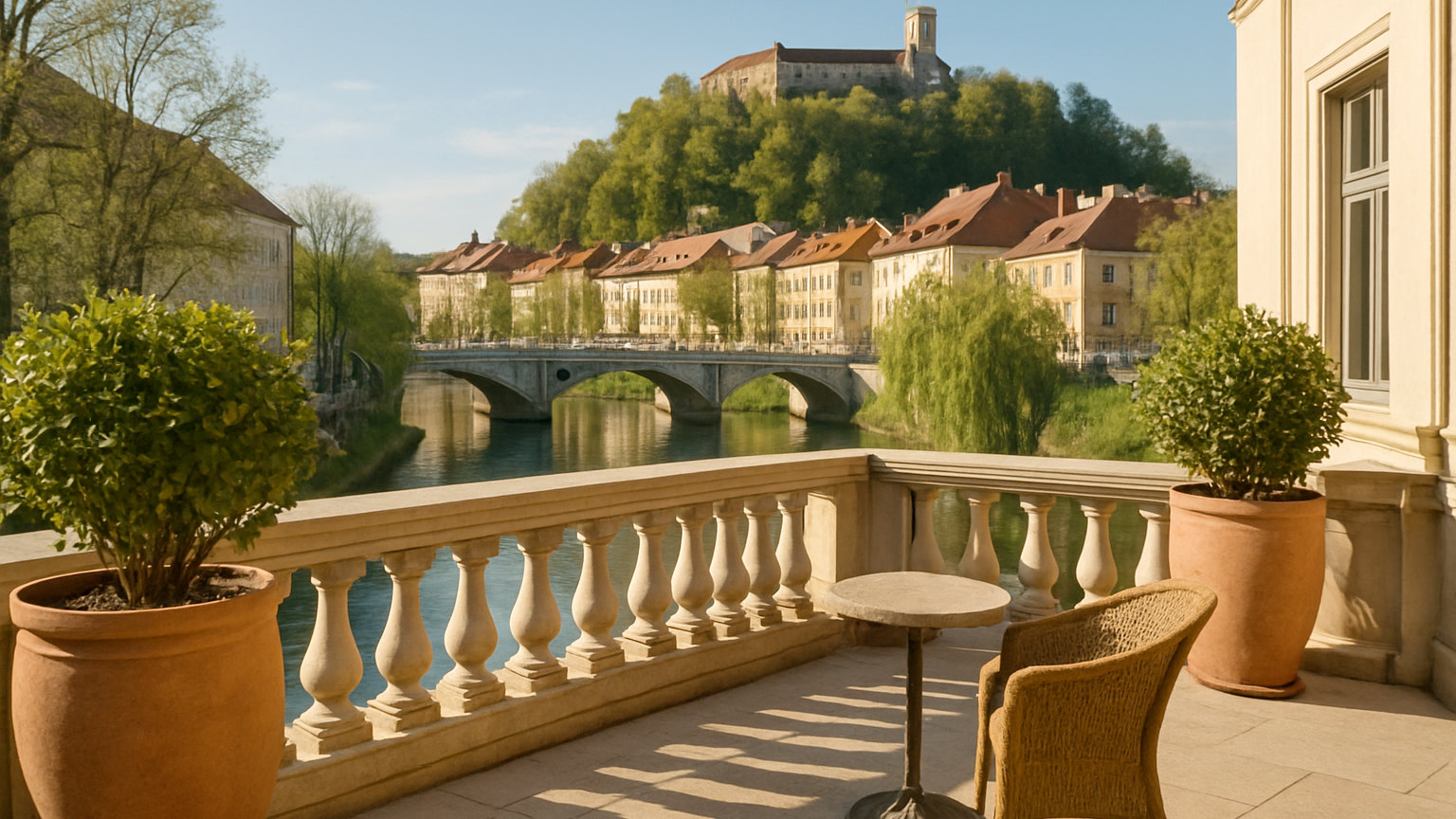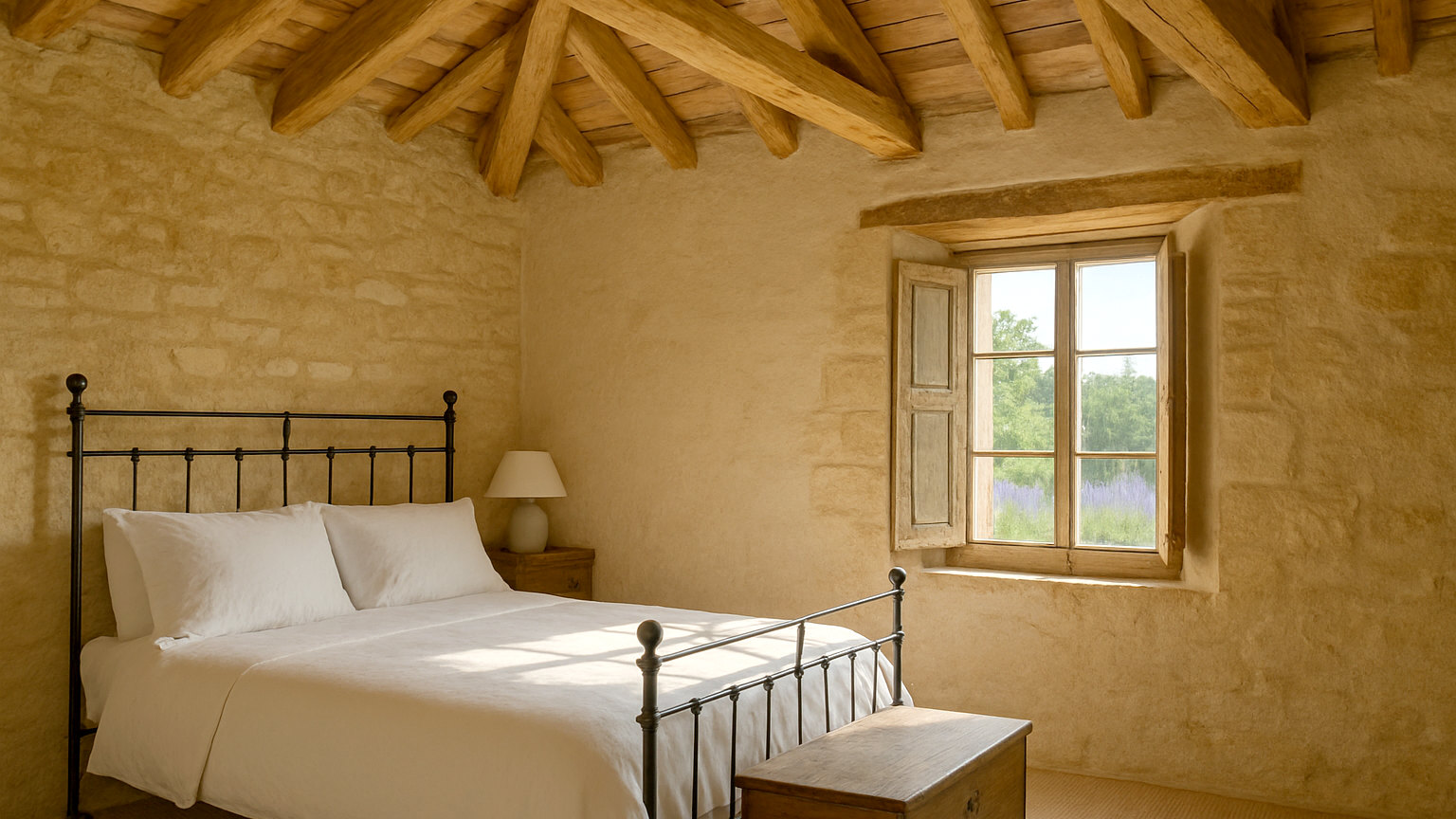
The rural small hotel is where Europe does this best, and it is consistently overlooked in favour of city properties that cost more and offer less. A converted farmhouse with eight rooms, a pool, a garden and a kitchen using its own produce is a different proposition from a townhouse in a capital.
What is an agriturismo?
An Italian working farm letting rooms, a category defined in law and required to derive income from agriculture rather than only from guests. The result is that the food is frequently their own, the setting is genuine and the prices are moderate.
They range from simple rooms to properties indistinguishable from luxury hotels.
What is a masseria?
A fortified farmhouse in Puglia, thick-walled and whitewashed around a courtyard, many of which have been converted into small hotels over the past two decades. Among the most distinctive rural accommodation in Europe and usually with a pool and a good kitchen.
And the Portuguese and Spanish versions?
Quintas in Portugal, frequently wine estates in the Douro or manor houses in the Alentejo. Cortijos and casas rurales in Spain, particularly in Andalusia and Extremadura. Both are family-run, inexpensive relative to quality and require a car.
What about France?
Chambres d hotes, which are a formalised bed and breakfast tradition, frequently in remarkable buildings with the owners cooking a shared evening meal. The table d hote arrangement is a genuine feature and worth seeking out.
Why are they better value?
Because rural property is cheap and the building is usually owned outright rather than financed at city prices. The same money buys a room three times the size with a garden, a pool and views, and dinner is frequently available on site.
What do you need?
A car, almost always, since these are rural by definition and public transport does not reach them. The nearest village may be ten minutes away and the nearest town half an hour, which is the main practical constraint.
What should you check?
Whether dinner is available and on which nights, since there may be nothing else within reach. Whether the pool is fenced if you have young children. The road access, which can be an unsurfaced track. And air conditioning, which older stone buildings sometimes lack.
Do they suit families?
Frequently very well, which is the exception to the general rule about small hotels. Space, a pool, animals, a garden and a family running the place add up to an excellent children holiday, and several have larger rooms or separate cottages.
When should you go?
Late spring and early autumn, when the countryside is at its best and the heat is manageable. Many close in winter. Harvest season in the wine regions is a particular draw and books out early.
How do you find them?
By searching the local term rather than the English one, since agriturismo, masseria, quinta and casa rural all return properties the mainstream platforms bury. National associations and regional tourist boards list them by area.
What about the food?
Frequently the best reason to stay. Many rural properties cook what they grow and serve a set menu at a shared or individual table, which in Italy, France and Portugal is better than most restaurants within an hour. Ask whether dinner runs every night, since several serve only on set days.
How long should you stay?
Three nights minimum, since arriving and leaving consume most of two days and the point is to slow down. A week in one rural property with day trips works better than moving every night.
Do they take single nights?
Often not in high season, where two or three night minimums are normal, since a single-night booking leaves gaps a small property cannot fill. Out of season they are usually flexible, and asking directly frequently produces an exception.
For the next step, see What Actually Counts as a Boutique Hotel?, or browse the full Hotels section.
The short answer
Italian agriturismi and masserie, Portuguese quintas and Spanish cortijos offer more space and better food than city hotels at lower prices. Take a car, check whether dinner is served and whether the pool is fenced, and search using the local term rather than boutique.