When Are the European School Holidays?
Continental school holidays differ from British ones by several weeks, and knowing when they fall explains most of the crowding you encounter.
By European Destinations Team
8 Aug 2026

Where to go in every month of the year, with the weather and the crowds you can expect.
Continental school holidays differ from British ones by several weeks, and knowing when they fall explains most of the crowding you encounter.
The cheapest weeks in Europe are predictable and the pattern inverts between beach destinations and ski resorts.
September has the warmest sea of the year, falling prices and departing crowds, which makes it the best month in Europe for a great many trips.
Good weather is no use if the ferry has stopped and the restaurants are shut, and season lengths vary enormously between destinations.
August is the busiest and most expensive month in Europe, and the entire continent goes on holiday at once in the middle of it.
Best weather means different things in different parts of Europe, and the month that suits Andalusia is the wrong one for the Alps.
July is hot, busy and expensive across southern Europe, and the sensible responses are to go north, go high or accept the heat and plan around it.
June has the longest days of the year, warm weather everywhere and prices that rise sharply in the second half as the school holidays approach.
There are four windows in the European year that beat everything else, and which of them suits you depends on one question about the sea.
May is arguably the best month in Europe, with everything open, comfortable weather across the continent and prices still below the summer peak.
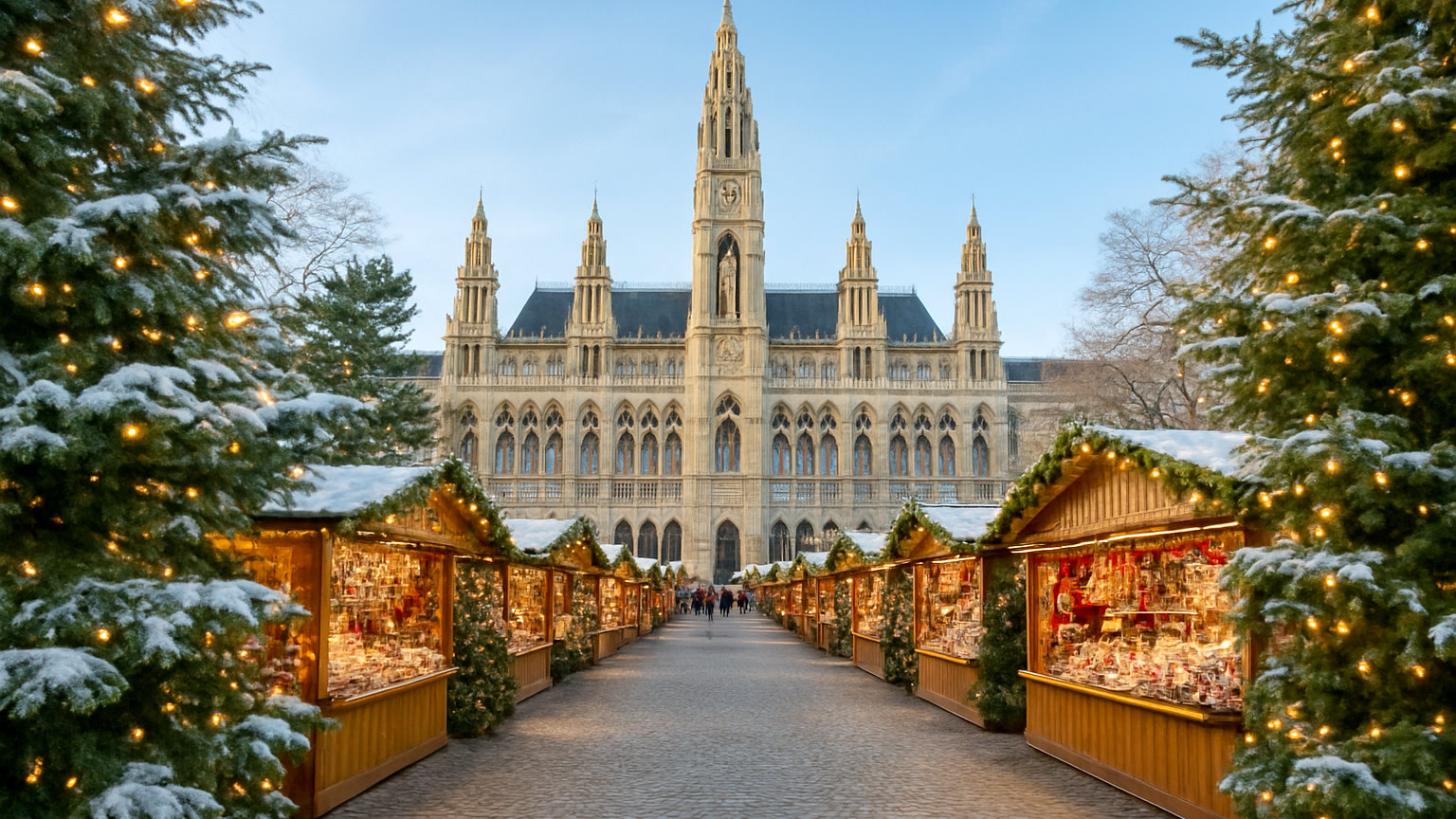
December divides into three: the market season, the Christmas week when much of Europe closes, and the New Year peak.
April is one of the best months in Europe and one of the most variable, with Easter and the tulip season both distorting prices and crowds.