How Do You Get a Hotel Upgrade?
Upgrades are given for commercial reasons rather than charm, and understanding those reasons improves the odds considerably.
By European Destinations Team
12 Jul 2026

Our pick of the hotels in each destination, and what you are paying the extra for.
Upgrades are given for commercial reasons rather than charm, and understanding those reasons improves the odds considerably.
Plenty of expensive hotels are not luxurious and a few inexpensive ones are, and the distinction shows up in specific details.
Grand hotels sell public spaces rather than bedrooms, which is why the cheapest room in one is frequently the best purchase in the building.
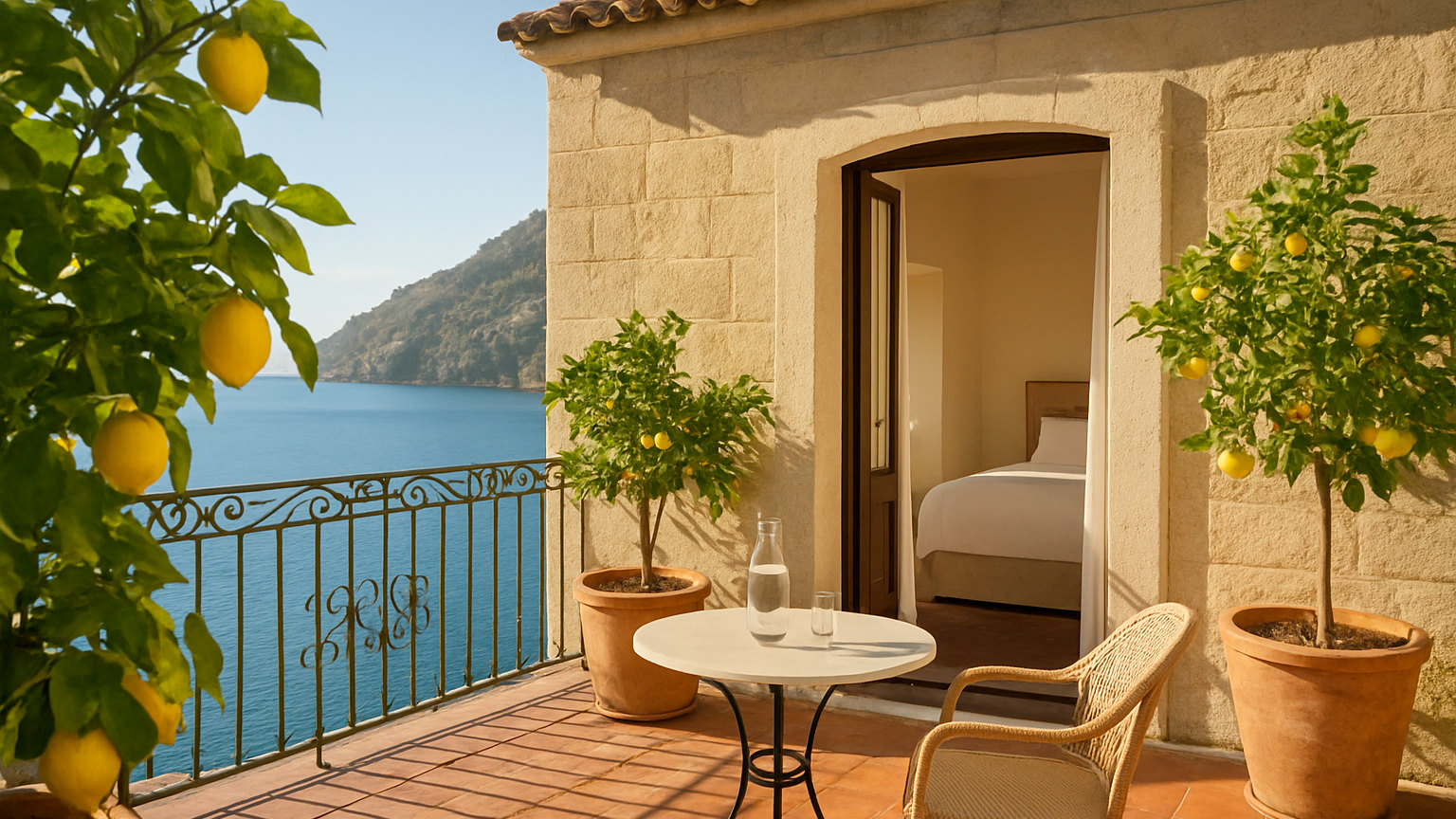
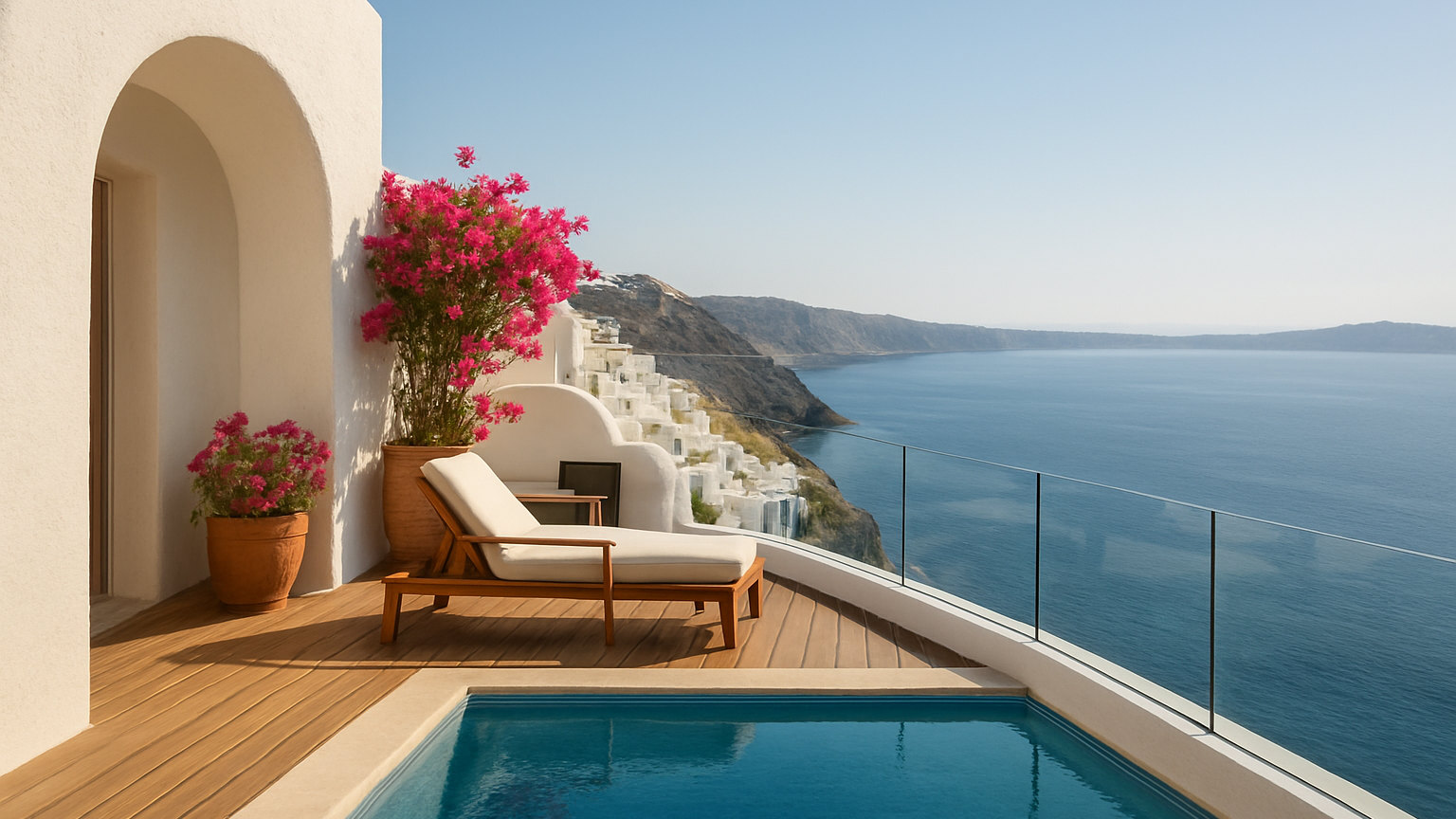
A view is the most heavily marketed and least consistently delivered hotel feature, and the wording used to describe it matters enormously.
A spa is the facility most likely to justify a more expensive hotel and the one most often charged separately from the room.
Spending more on a hotel pays off when you will be in it and wastes money when you will not, which is a simpler test than it looks.
Some cities have a deep and competitive hotel market and others do not, which affects what a given budget buys more than the country does.
The points are the least valuable part of a hotel loyalty scheme, and the free benefits at the entry tier are worth having immediately.
Good luxury service is quiet and anticipatory, and the formality people associate with it is frequently a substitute for the real thing.
A handful of European hotels are destinations in their own right, and several can be visited for the price of a drink rather than a room.
Hotel restaurants have improved enormously at the top end and remain poor value in the middle, and location decides which you are dealing with.
Five stars buys space, service and location, and whether that is worth several times the price depends entirely on how you use a hotel.