Which Hotel Facilities Do Families Actually Use?
Families use four hotel facilities and pay for fifteen, and knowing which four saves a great deal of money.
By European Destinations Team
12 Apr 2026

Where you sleep decides more of a holiday than the destination does, and the star rating tells you almost none of it. These guides look at what actually matters once you arrive: how far the "five minutes from the beach" really is, whether the all inclusive covers anything you would want to drink, which family hotels have a kids club worth the name, and when a villa or apartment beats a hotel outright. We name specific places, and we say who each one is wrong for as well as right for.
Families use four hotel facilities and pay for fifteen, and knowing which four saves a great deal of money.
Some cities have a deep and competitive hotel market and others do not, which affects what a given budget buys more than the country does.
Large resorts increasingly sell a premium enclave inside the main property, which is either a genuine upgrade or a lounge and a badge.
Conversions give character that purpose-built hotels cannot, and they come with a predictable set of practical compromises.
Star ratings measure facilities against national criteria, which is why a two star in one country outperforms a three star in another.
Ten questions separate a family hotel that works from one that does not, and hotels answer all of them readily by email.
Small hotels trade facilities and flexibility for character, and several of the things they cannot offer only become apparent on arrival.
A swim-up room is the resort upgrade most likely to be used every day, and it comes with two drawbacks nobody mentions.
The points are the least valuable part of a hotel loyalty scheme, and the free benefits at the entry tier are worth having immediately.
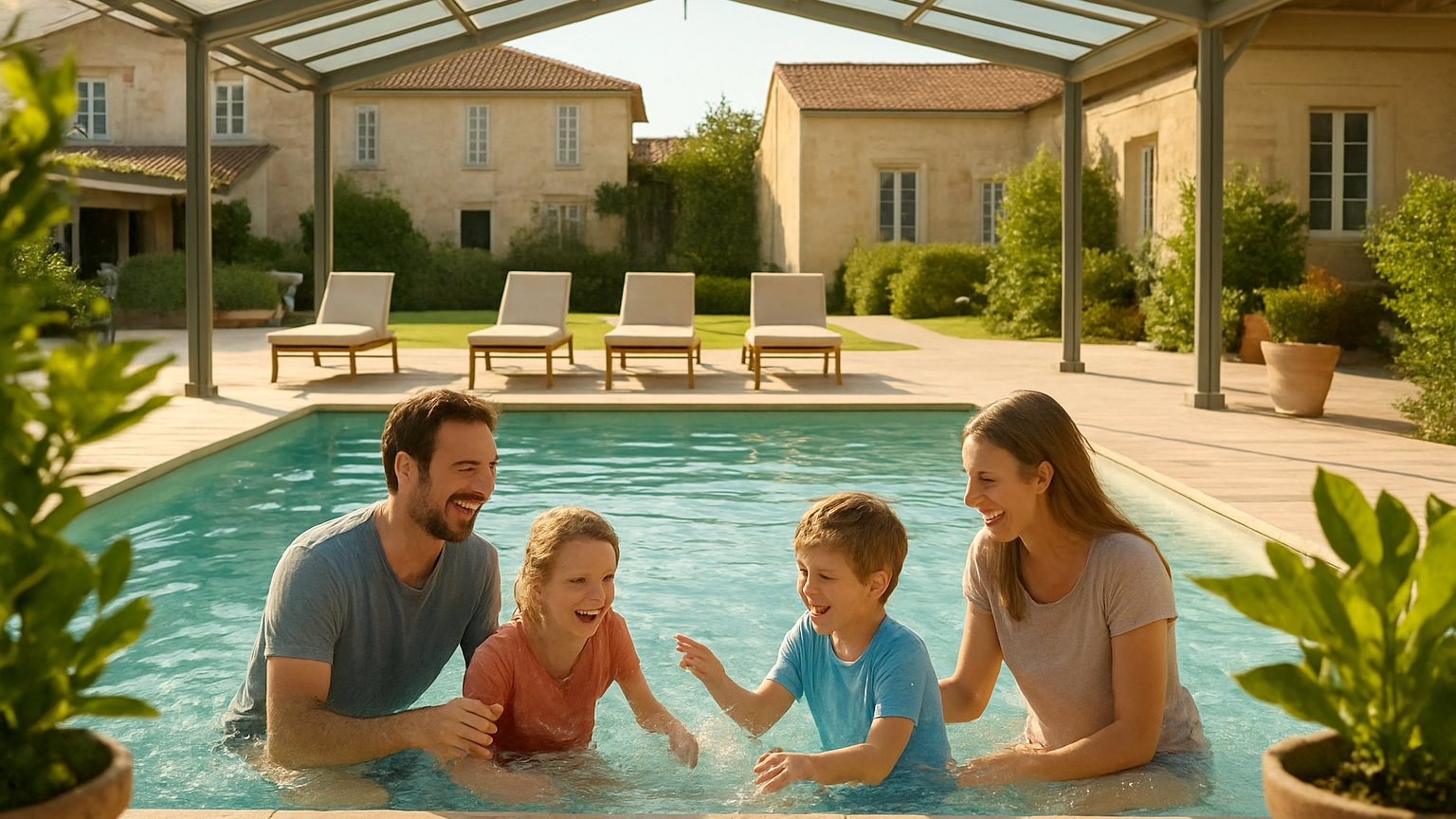
The pool is where a family holiday actually happens, and the two things that matter most are the depth and whether it is heated.
The overall score is the least useful number on a review page, and the sub-scores and the recent text tell you almost everything.
Spain and the Canaries dominate the category, and the distribution follows the resort markets rather than the tourist map.