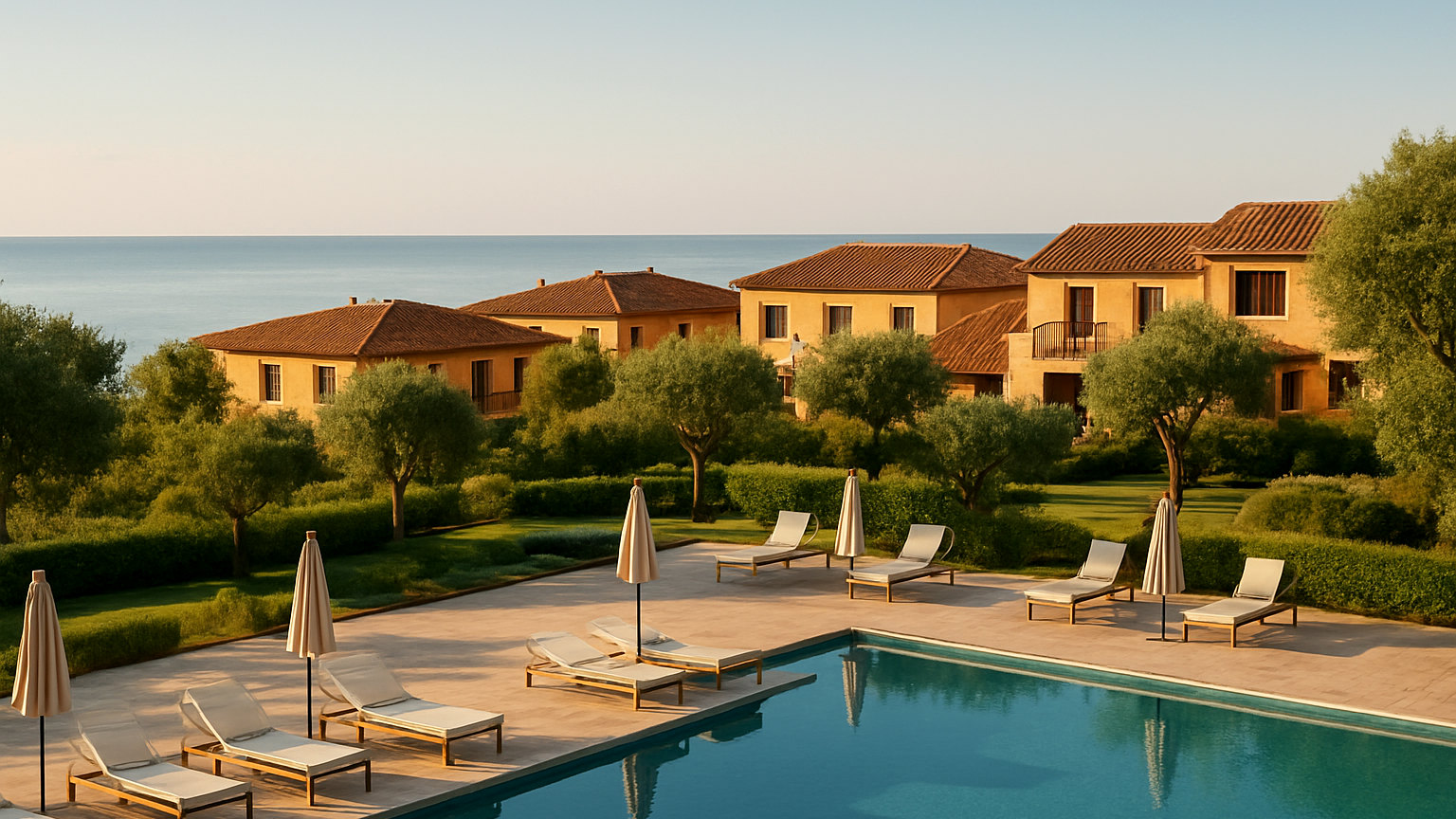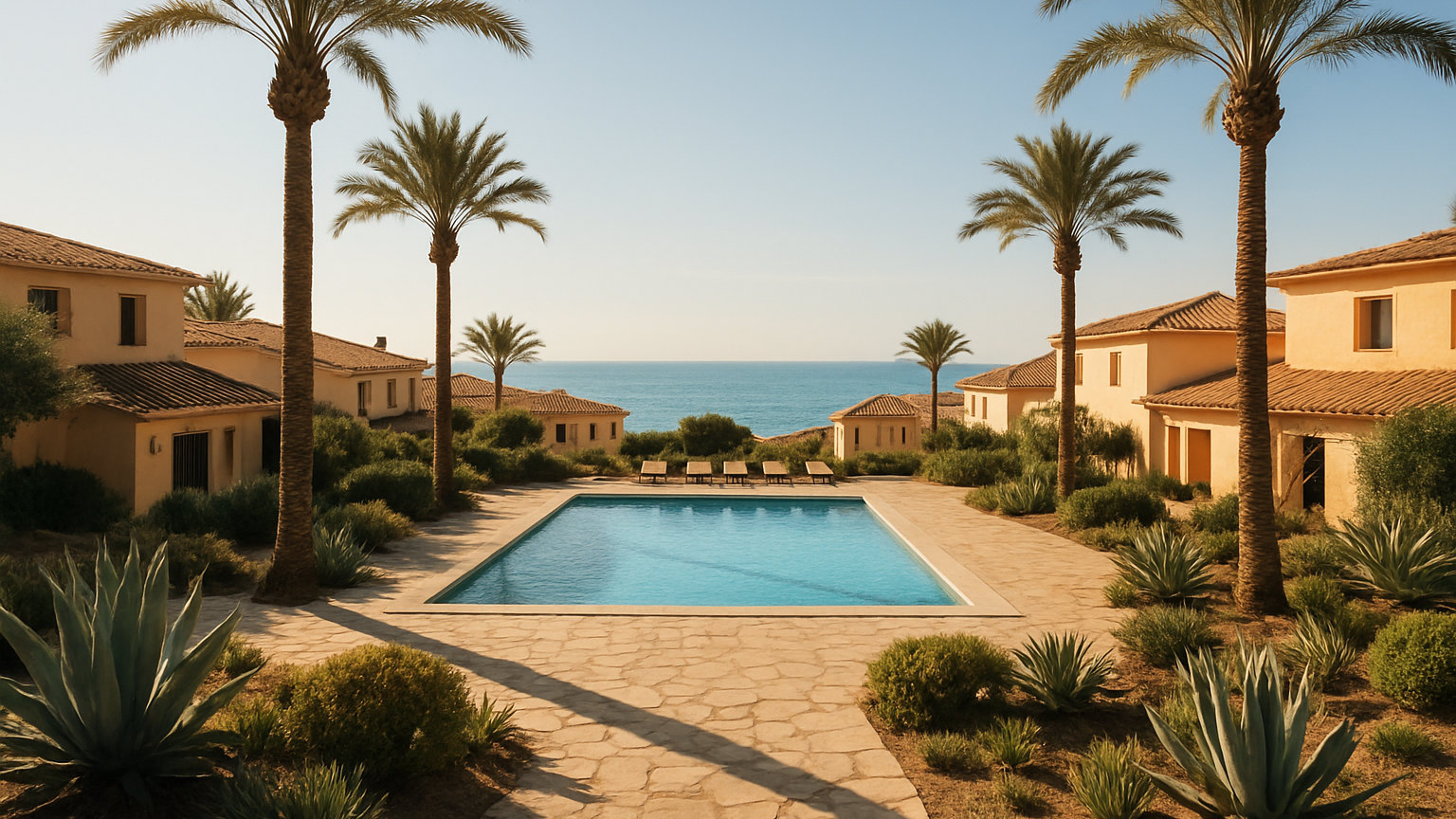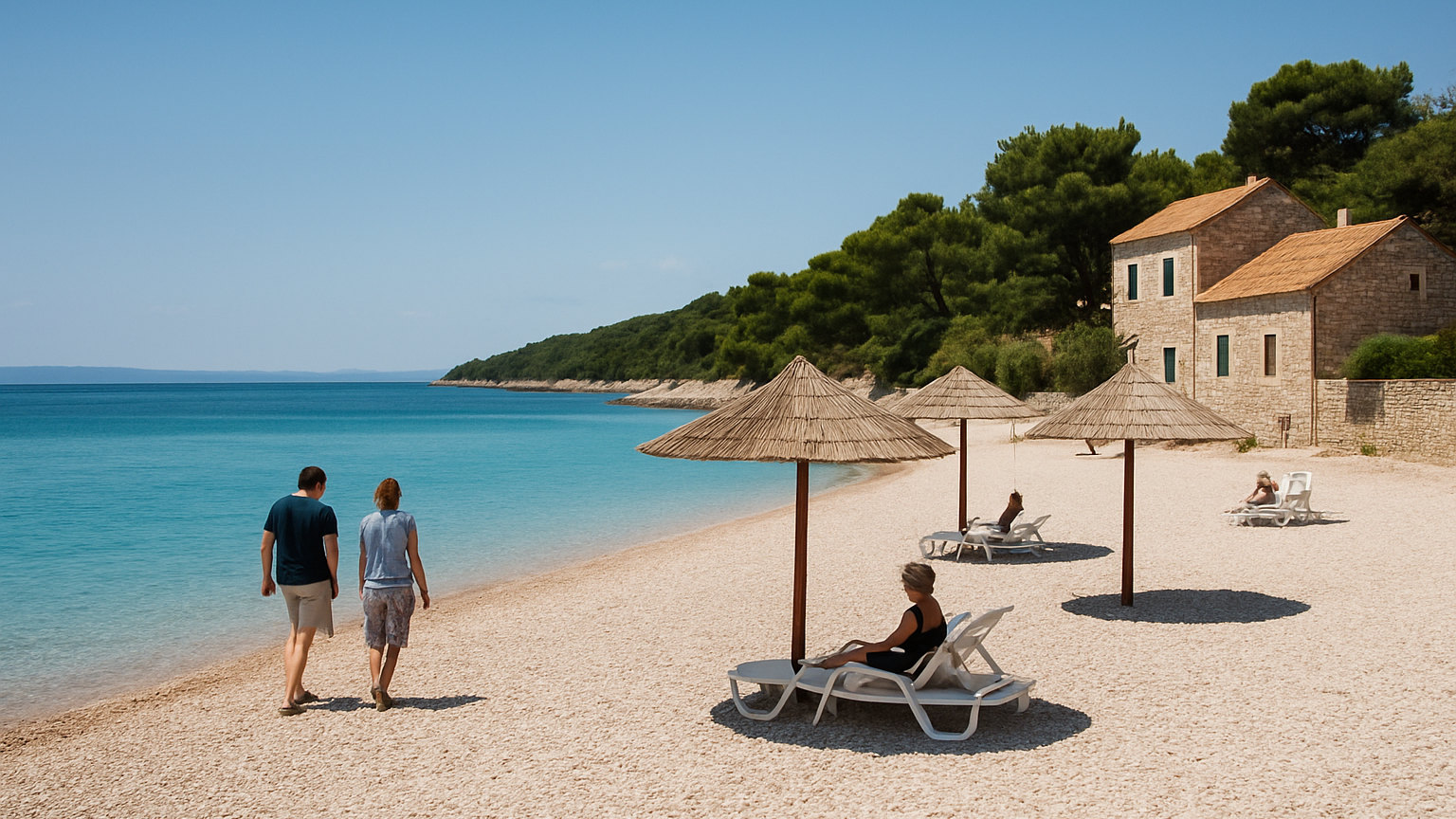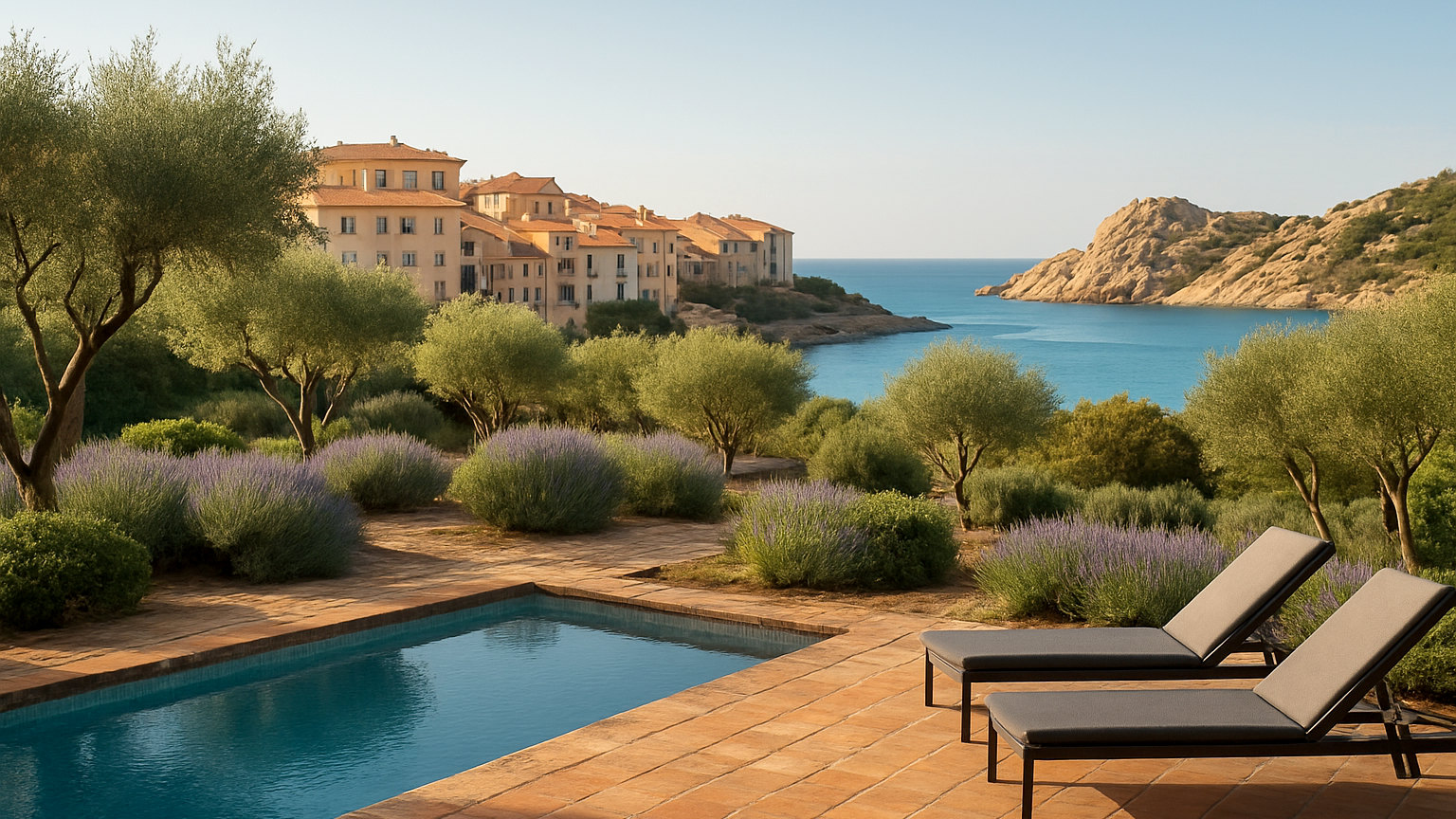
Which Spring Destinations Suit Families?
Families get two spring windows, Easter and the May half term, and neither delivers a sea warm enough for children to swim in.
By European Destinations Team
6 Jul 2026

The same destination can be the best decision you make all year or a wasted week, and the only variable is the month. These guides set out what Europe is doing season by season: where the weather has turned before the school holidays start, which coastlines still deliver sun in November, when the crowds arrive and when the prices follow them, and which places close down entirely out of season. If you are working backwards from fixed dates, start here rather than with the destination.
Families get two spring windows, Easter and the May half term, and neither delivers a sea warm enough for children to swim in.
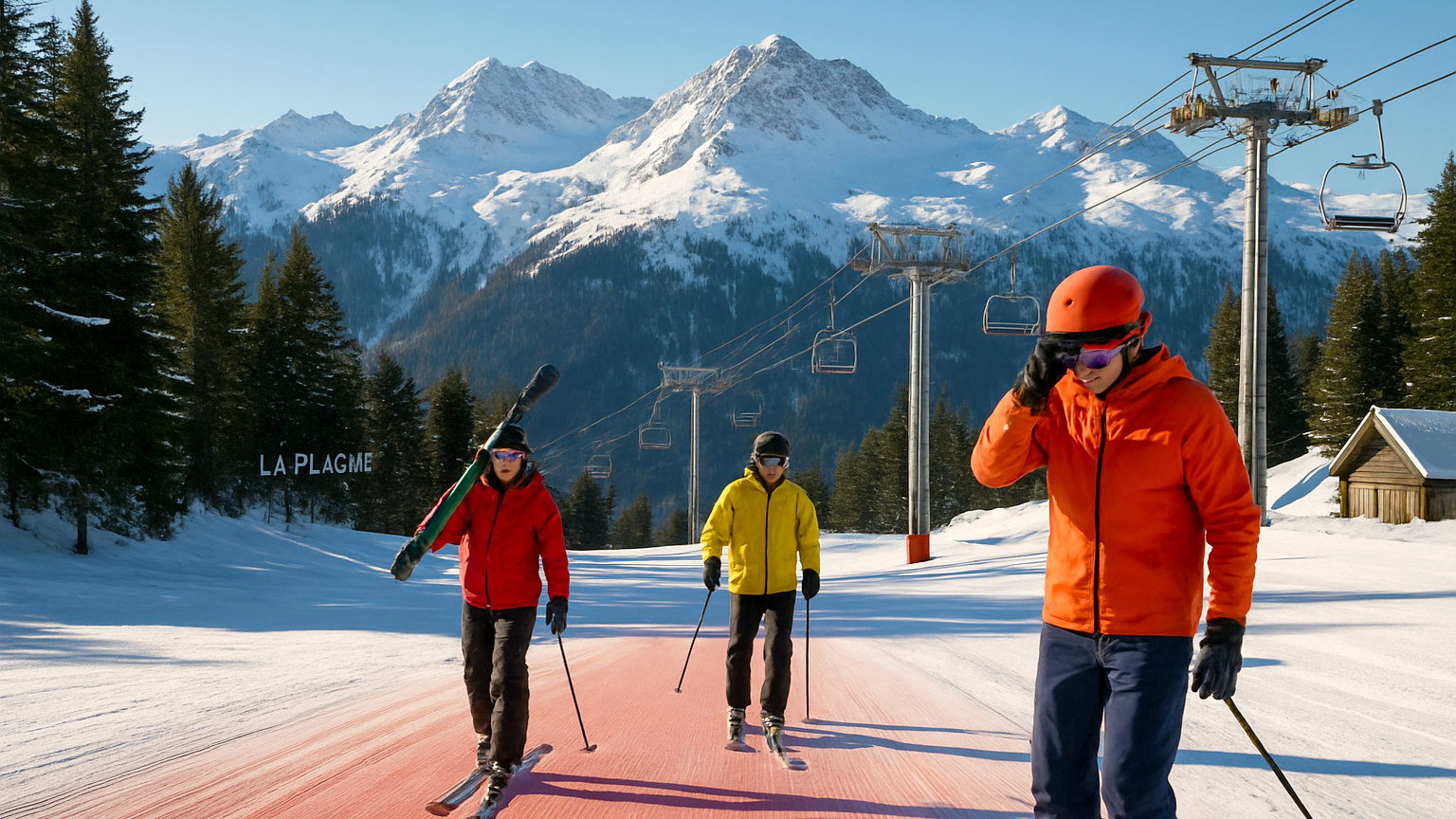
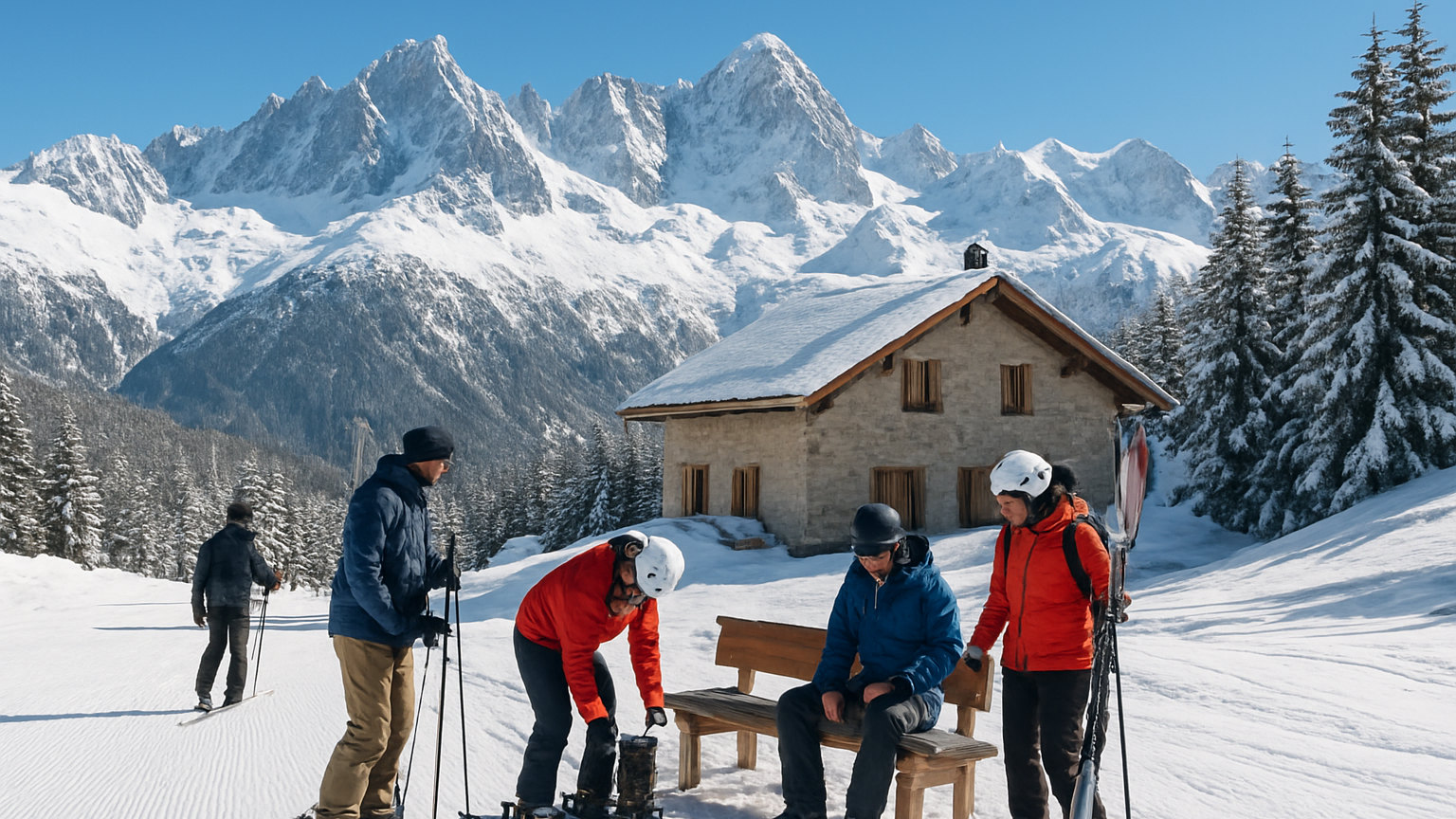
Piste grading is set locally rather than to a European standard, so a red in one resort can be easier than a blue in another.
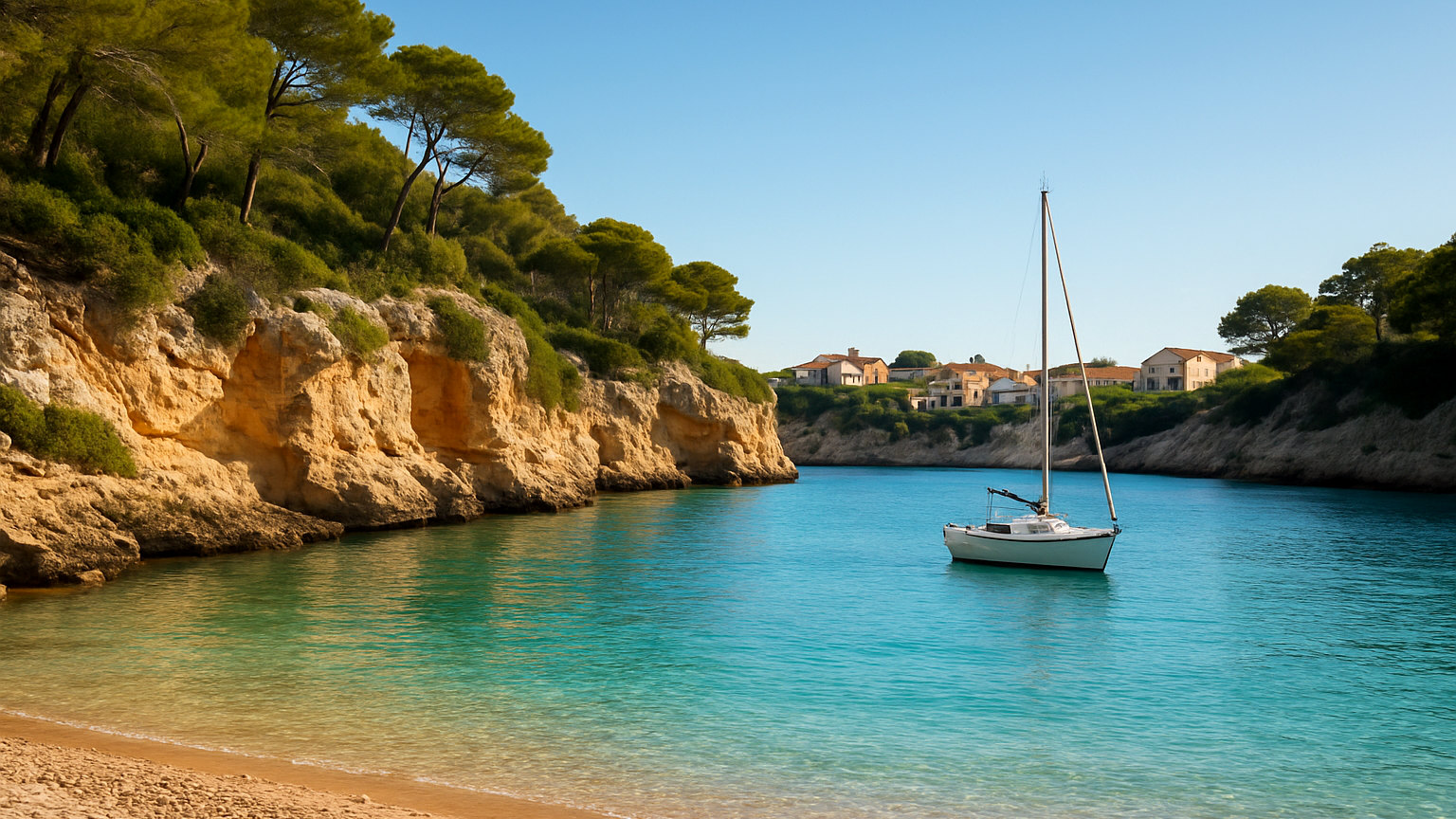
September has the warmest sea of the year, falling prices and departing crowds, which makes it the best month in Europe for a great many trips.
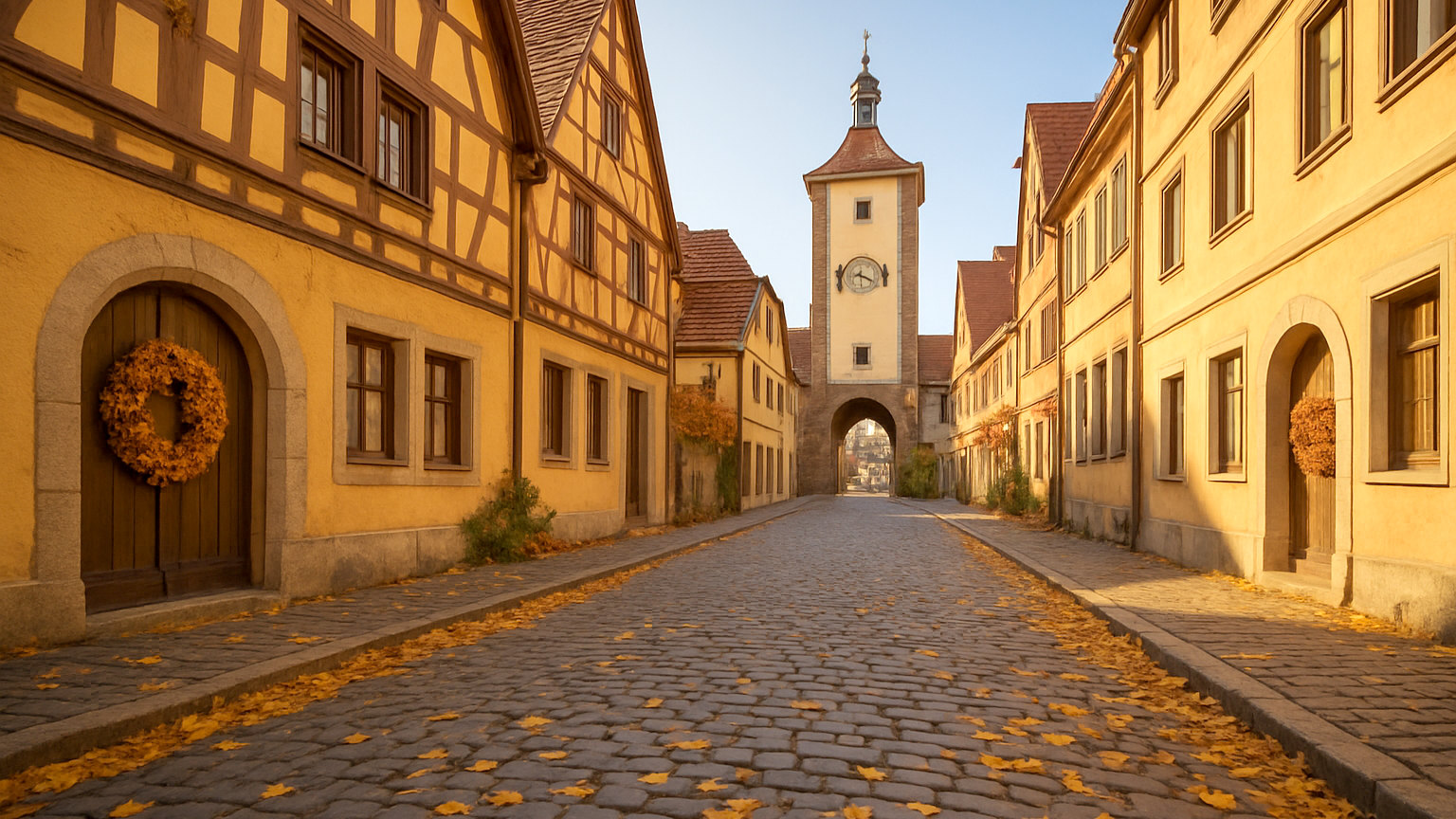
Autumn prices fall in steps rather than gradually, and knowing which weeks the steps fall on is most of the saving.
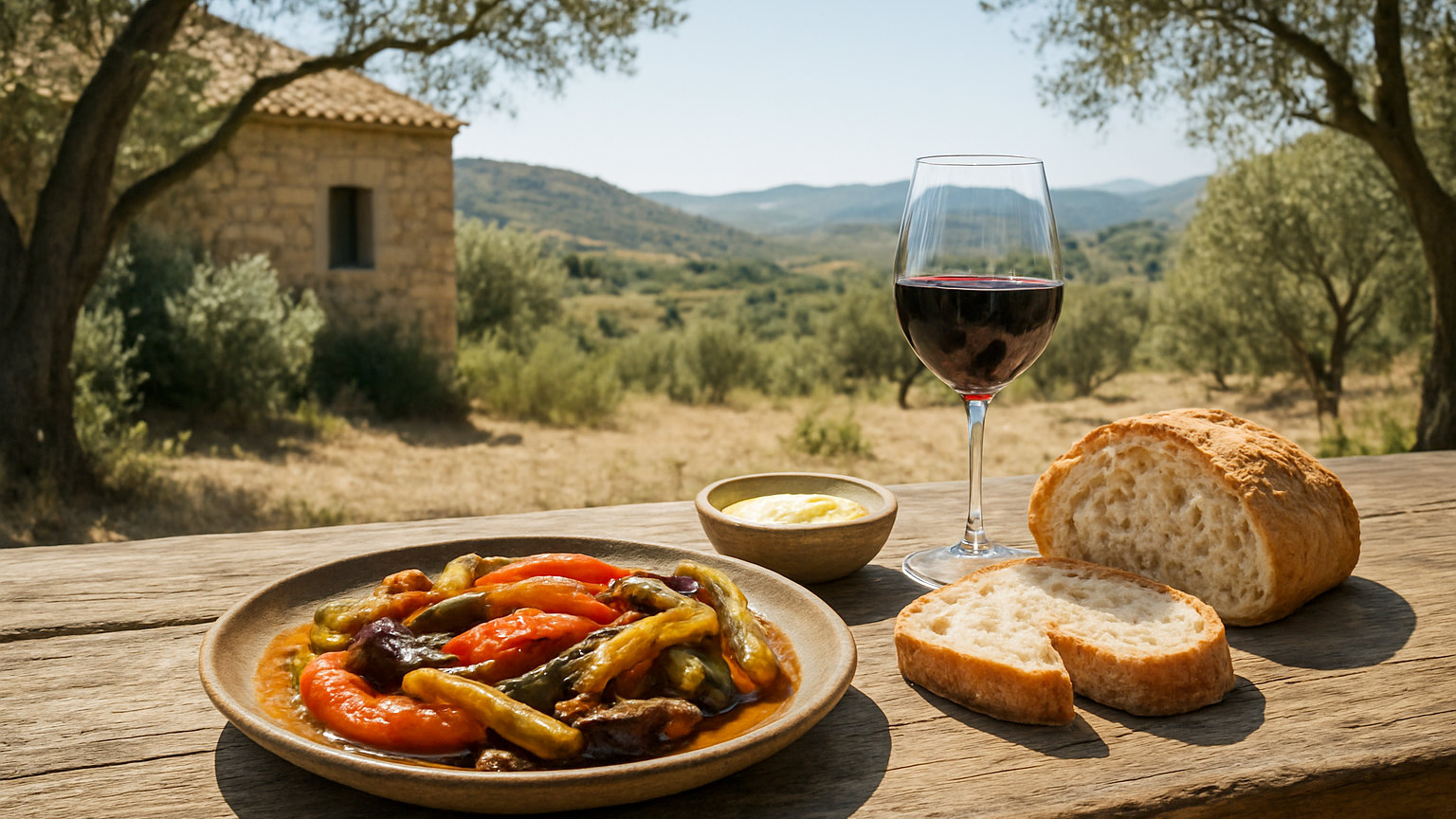
Inland southern Europe is the hottest part of the continent, and the places within it that stay comfortable are all high, wooded or beside water.
Autumn closures are staggered rather than simultaneous, and a resort can be warm and sunny with most of it shut.
A warm destination with half its restaurants shut is a different holiday, and the resorts that stay fully open are a shorter list than the warm ones.
Crowds in Europe are concentrated in predictable places at predictable hours, and most of them can be avoided by moving twenty minutes or two hours.
Good weather is no use if the ferry has stopped and the restaurants are shut, and season lengths vary enormously between destinations.
Winter sun is the one European product that costs more in winter than summer, and the savings come from the weeks you choose rather than the destination.
Hiring wins for almost everyone except on boots, which are the one piece of equipment worth owning from your second season.
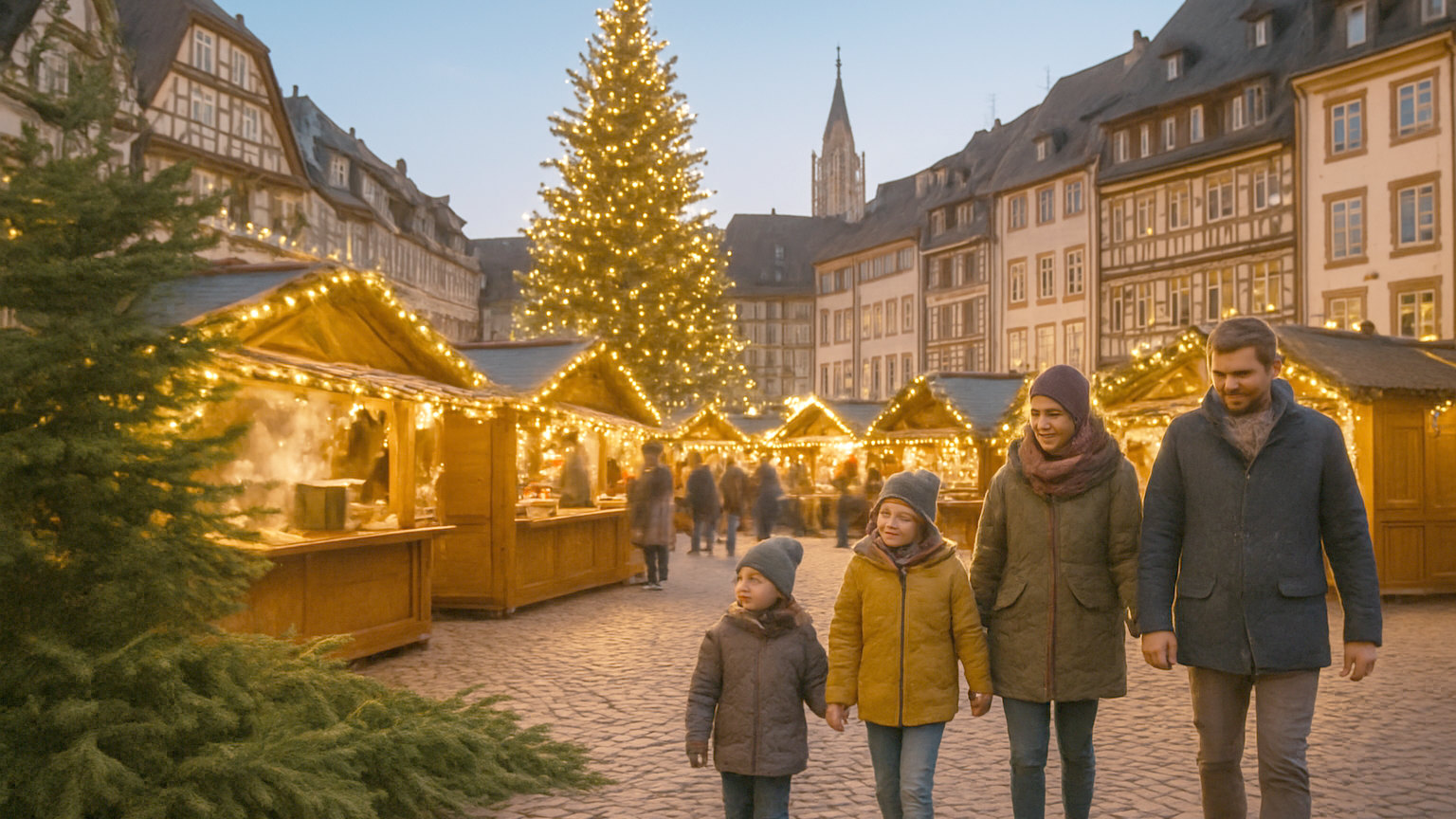
Christmas markets work well with children for about two hours, and the ones that suit families have something beyond stalls to fill the rest.