Where to Go in Europe in July
July is hot, busy and expensive across southern Europe, and the sensible responses are to go north, go high or accept the heat and plan around it.
By European Destinations Team
6 May 2026

The same destination can be the best decision you make all year or a wasted week, and the only variable is the month. These guides set out what Europe is doing season by season: where the weather has turned before the school holidays start, which coastlines still deliver sun in November, when the crowds arrive and when the prices follow them, and which places close down entirely out of season. If you are working backwards from fixed dates, start here rather than with the destination.
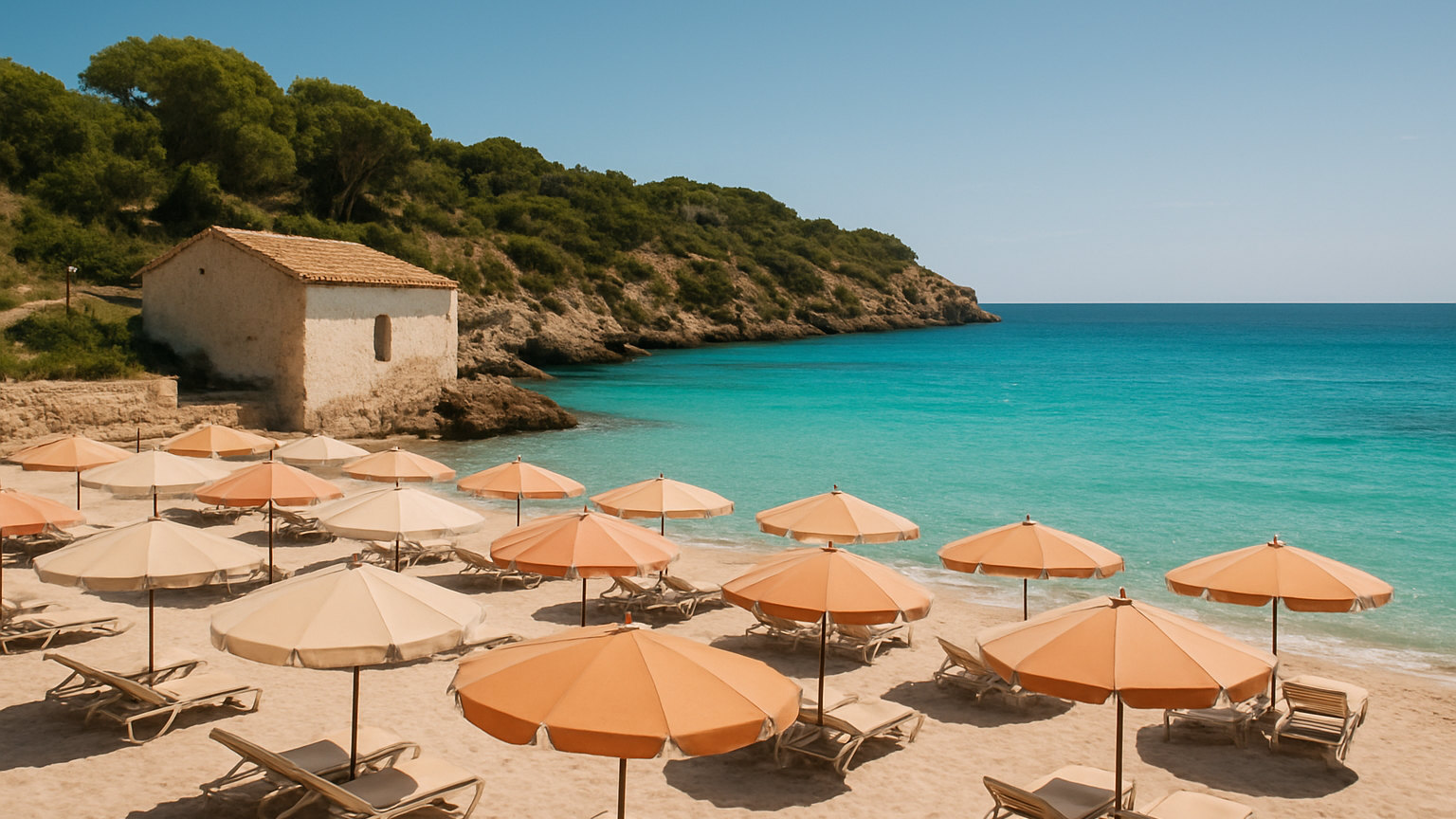
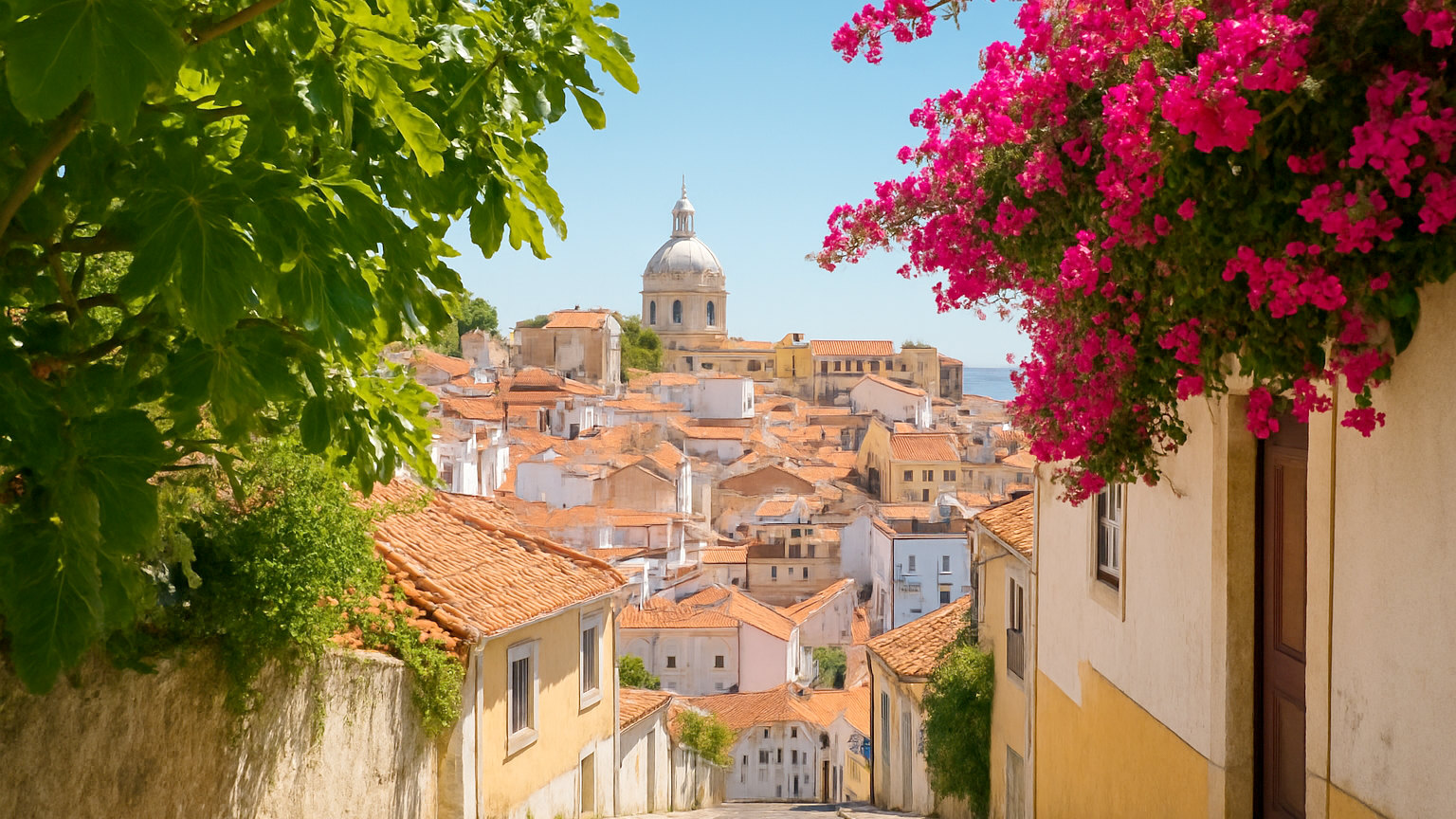
July is hot, busy and expensive across southern Europe, and the sensible responses are to go north, go high or accept the heat and plan around it.
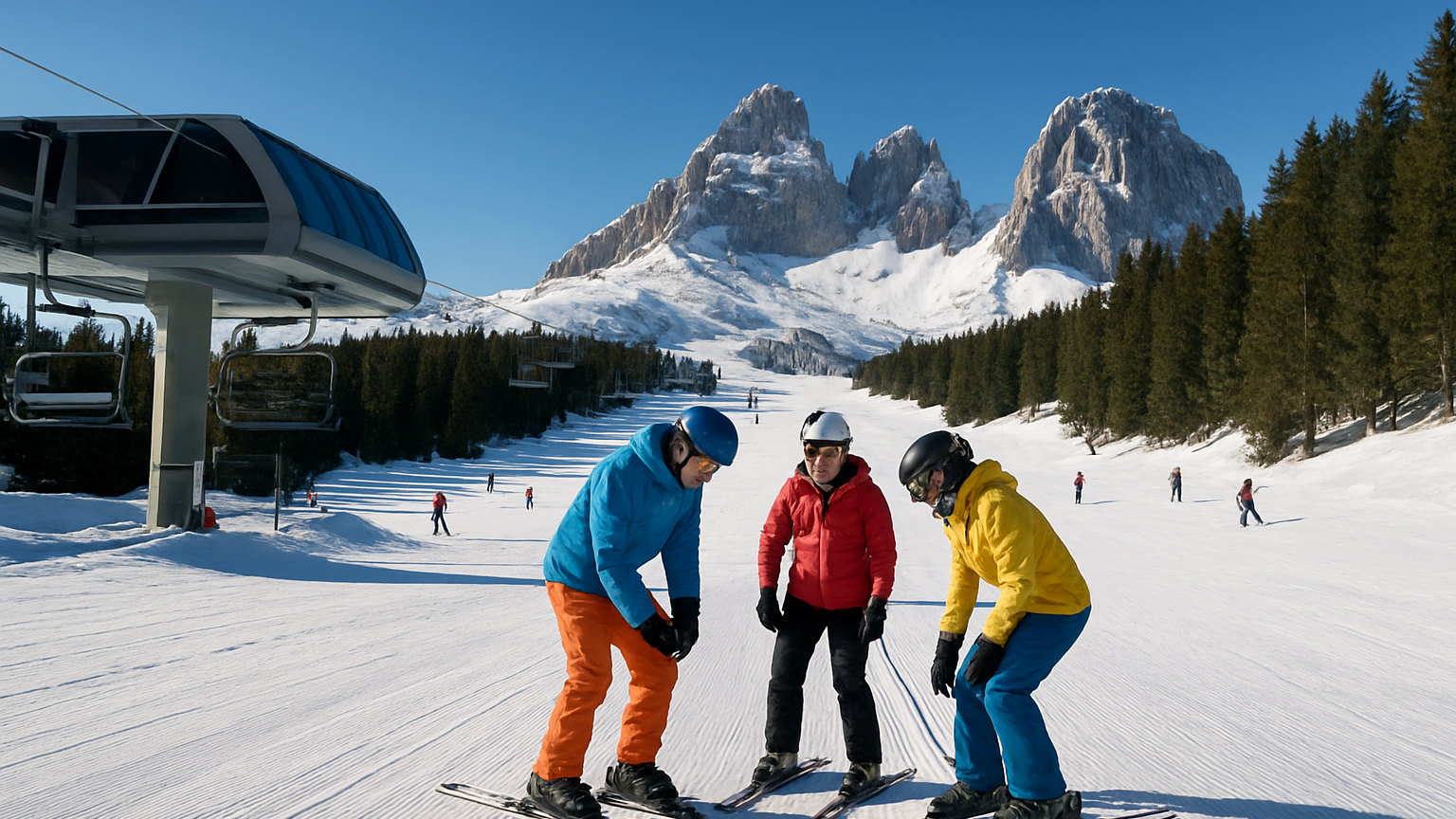
Most people stop having lessons far too early, which is why so many skiers spend years repeating the same intermediate faults.
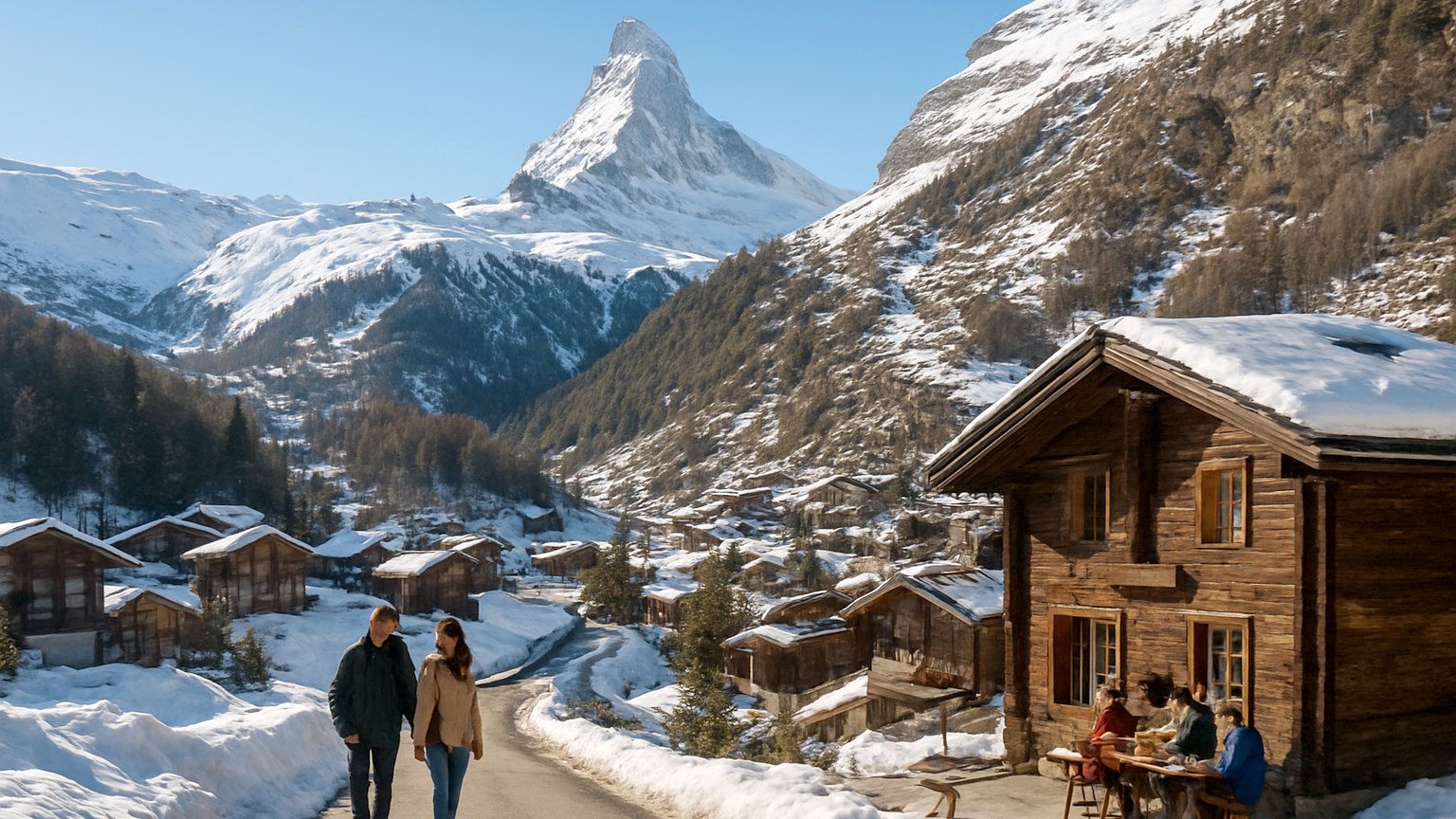
The Alps are among the easiest places in Europe to reach by train, and several resorts have a station in the village itself.
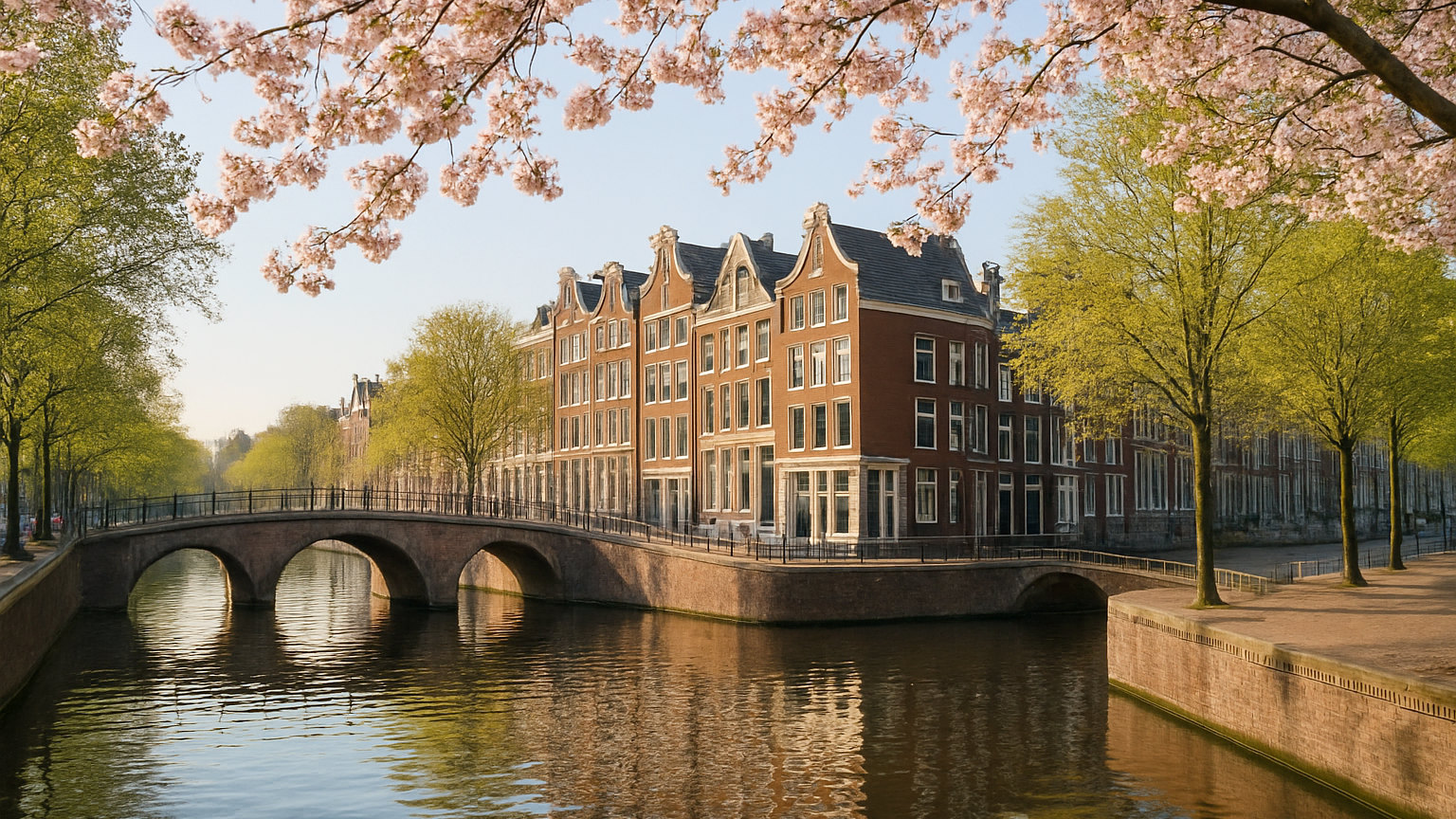
Spring is when the northern European cities come back to life and the southern ones are still comfortable, which makes it the broadest season for a city break.
Some of the best places in Europe are open for eight weeks a year, which makes them crowded in that window and unreachable outside it.
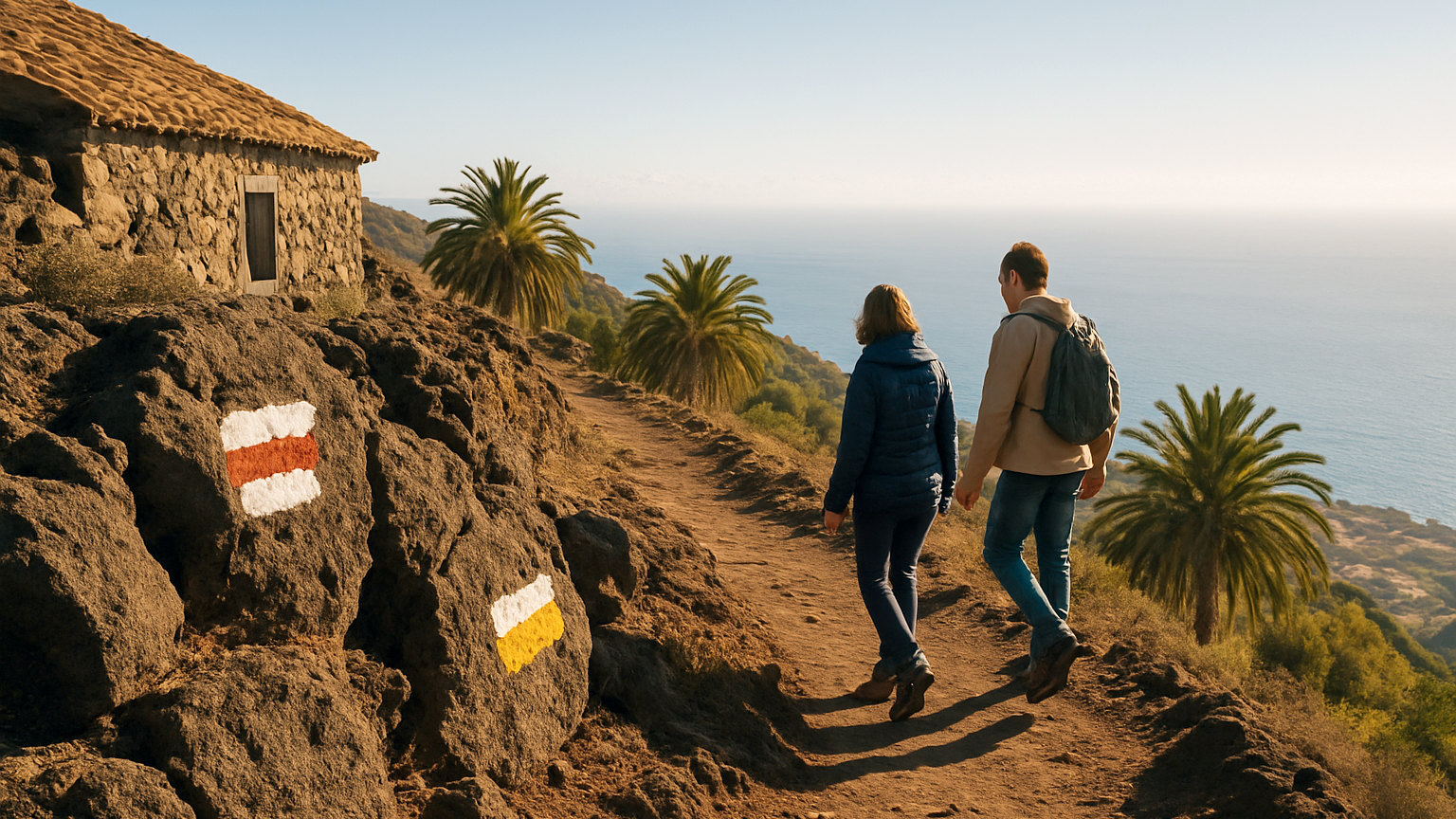
Winter is the best season for walking in southern Europe, because the routes that are unbearable in August are perfect in January.
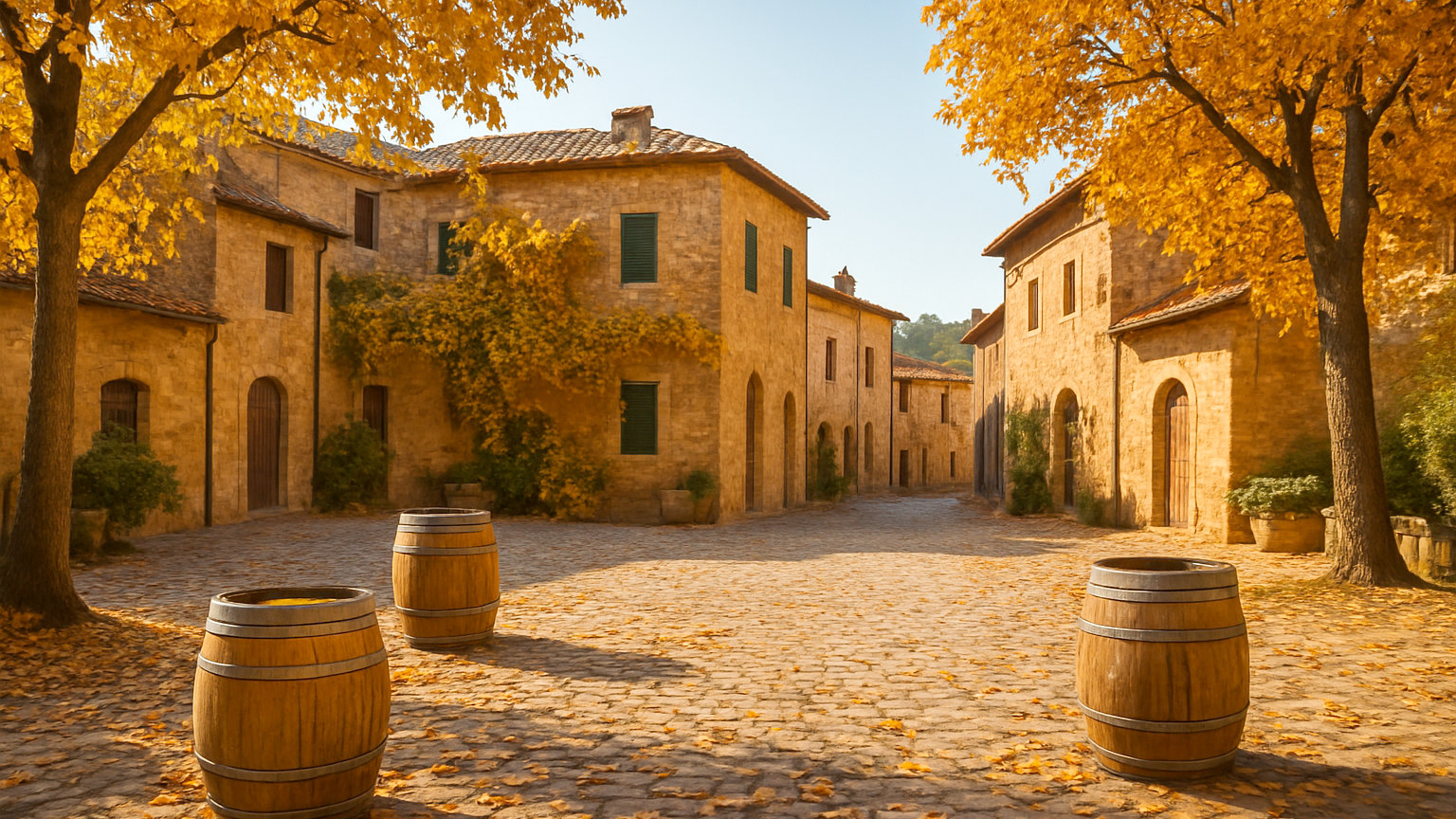
October half term is the last warm week in the school calendar, and by then much of the Mediterranean is marginal.
A river cruise visits several markets without packing a bag each time, and it costs considerably more than doing the same by train.
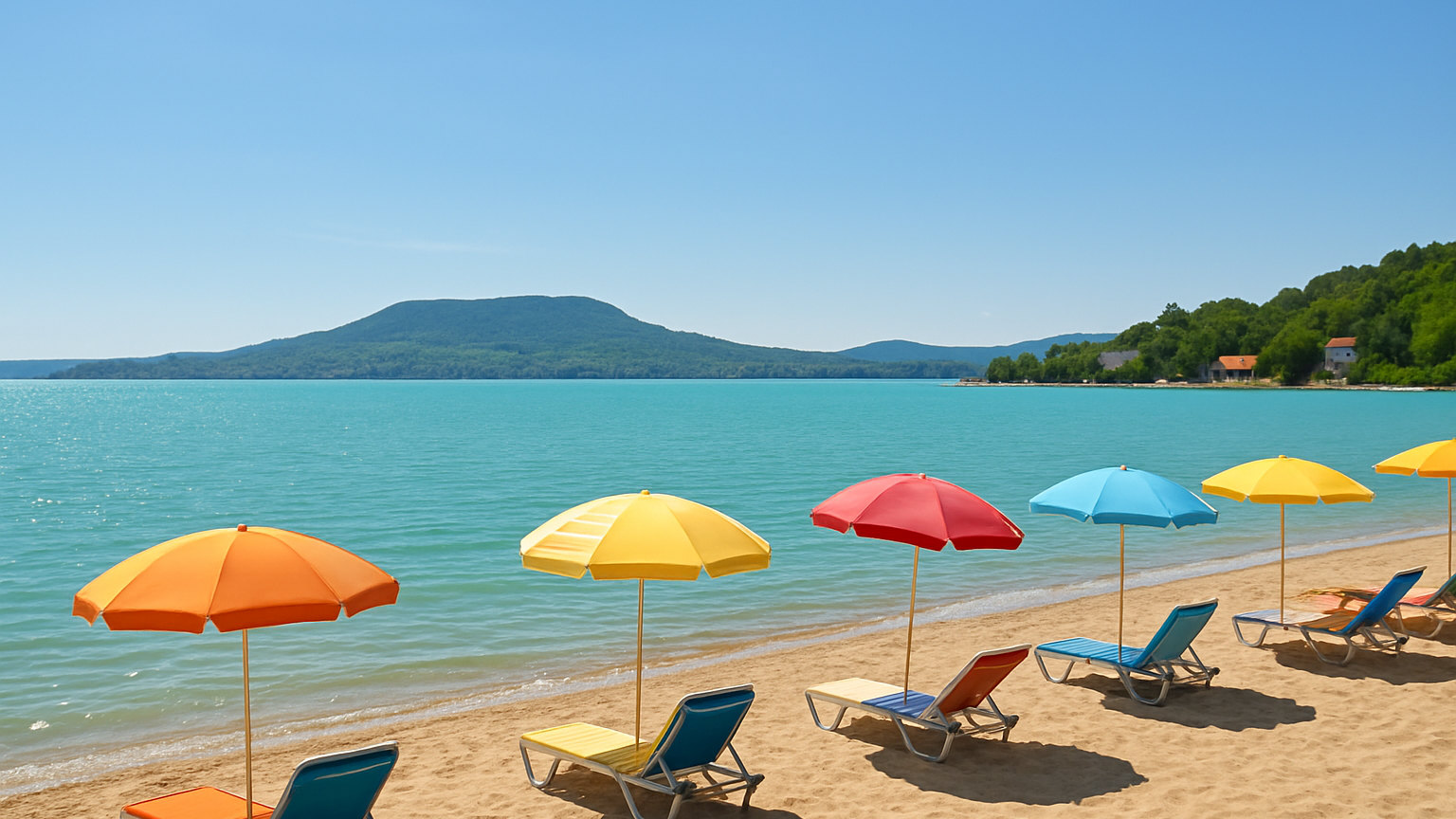
A surprising number of European lakes reach twenty-four degrees in summer, and swimming in them is the best answer to a heatwave inland.
Winter sun involves a trade between warmth and flight length, and the four-hour Canaries flight is the price of the only reliable warmth in Europe.
June has the longest days of the year, warm weather everywhere and prices that rise sharply in the second half as the school holidays approach.
Spring prices rise in steps rather than smoothly, and Easter creates a moving spike that can land on almost any week.