Where to Visit in Bulgaria: Coast, Mountains and Ski
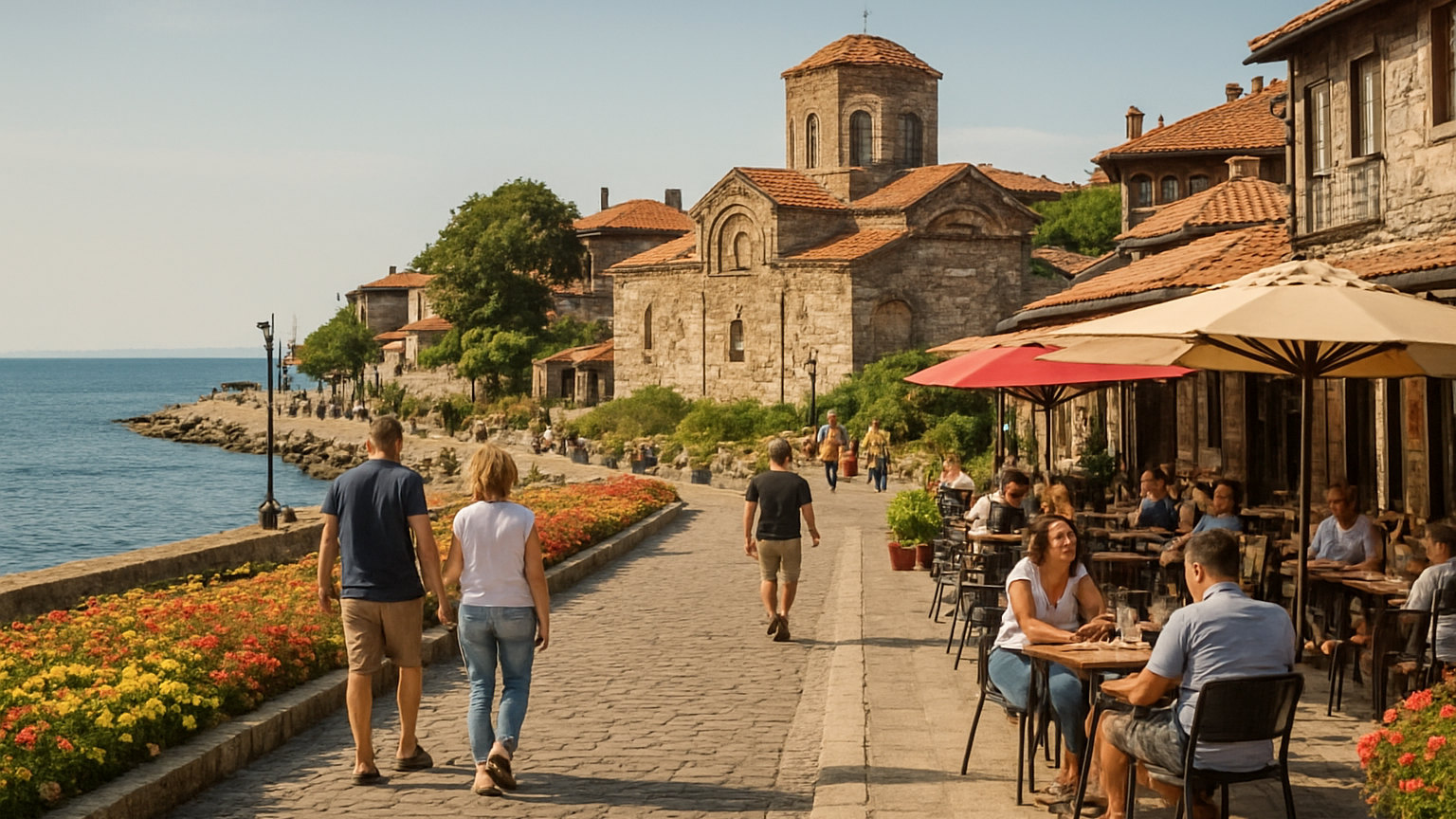
Bulgaria is the only European country offering a cheap Black Sea summer and cheap skiing in winter, and the interior is better than both.
Country by country — what each one is best at, how long you need, and where to start.
Bulgaria is the only European country offering a cheap Black Sea summer and cheap skiing in winter, and the interior is better than both.
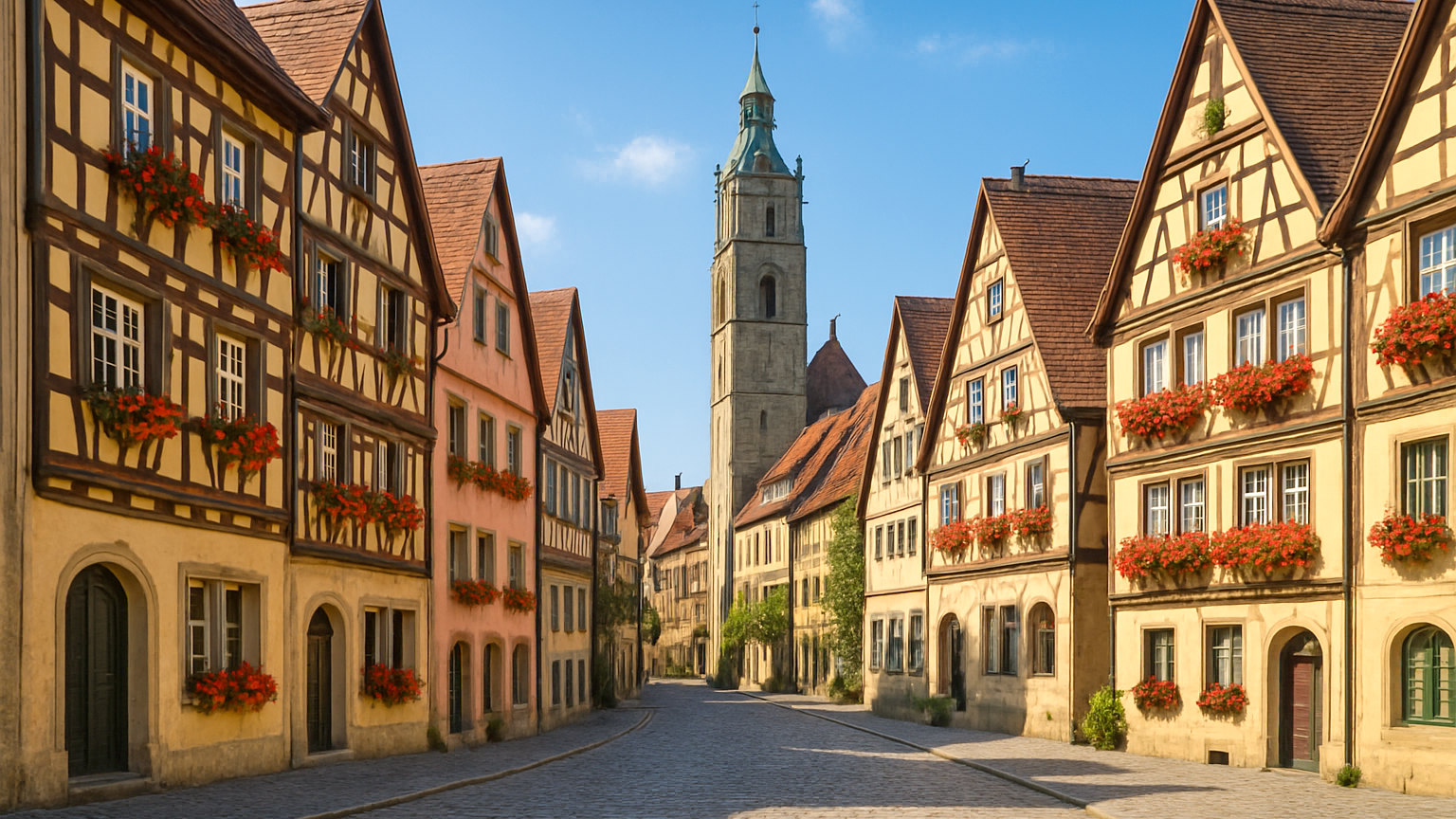
Germany rewards choosing a region rather than touring the country. Berlin and Bavaria have almost nothing in common, and both are worth a week.
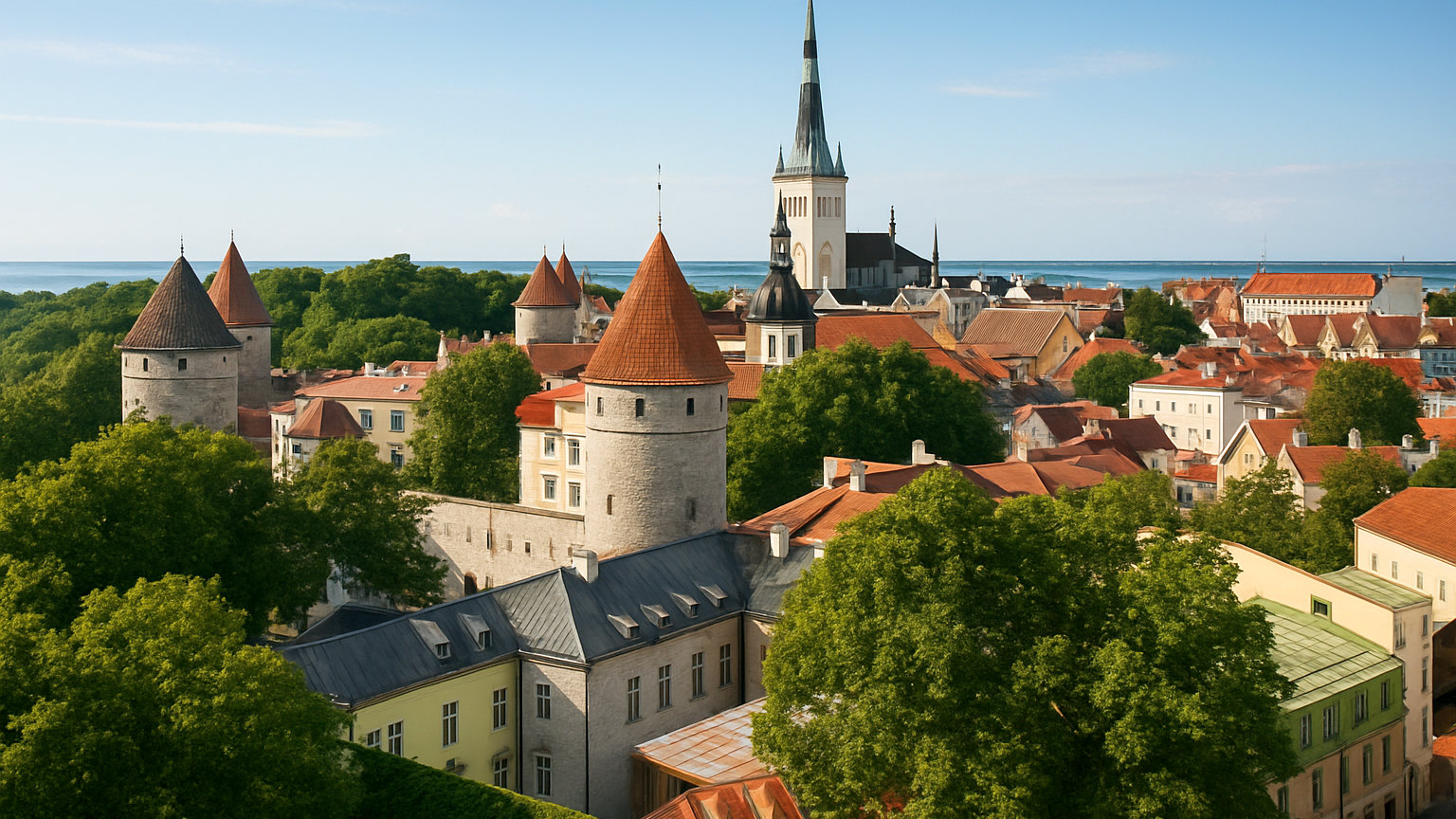
Tallinn has the best preserved medieval old town in northern Europe, and the rest of Estonia is forest, bog and islands almost nobody visits.
The sea is warmer in October than in June, which changes the answer for most people. A month-by-month look at heat, wind, crowds and what is actually open.
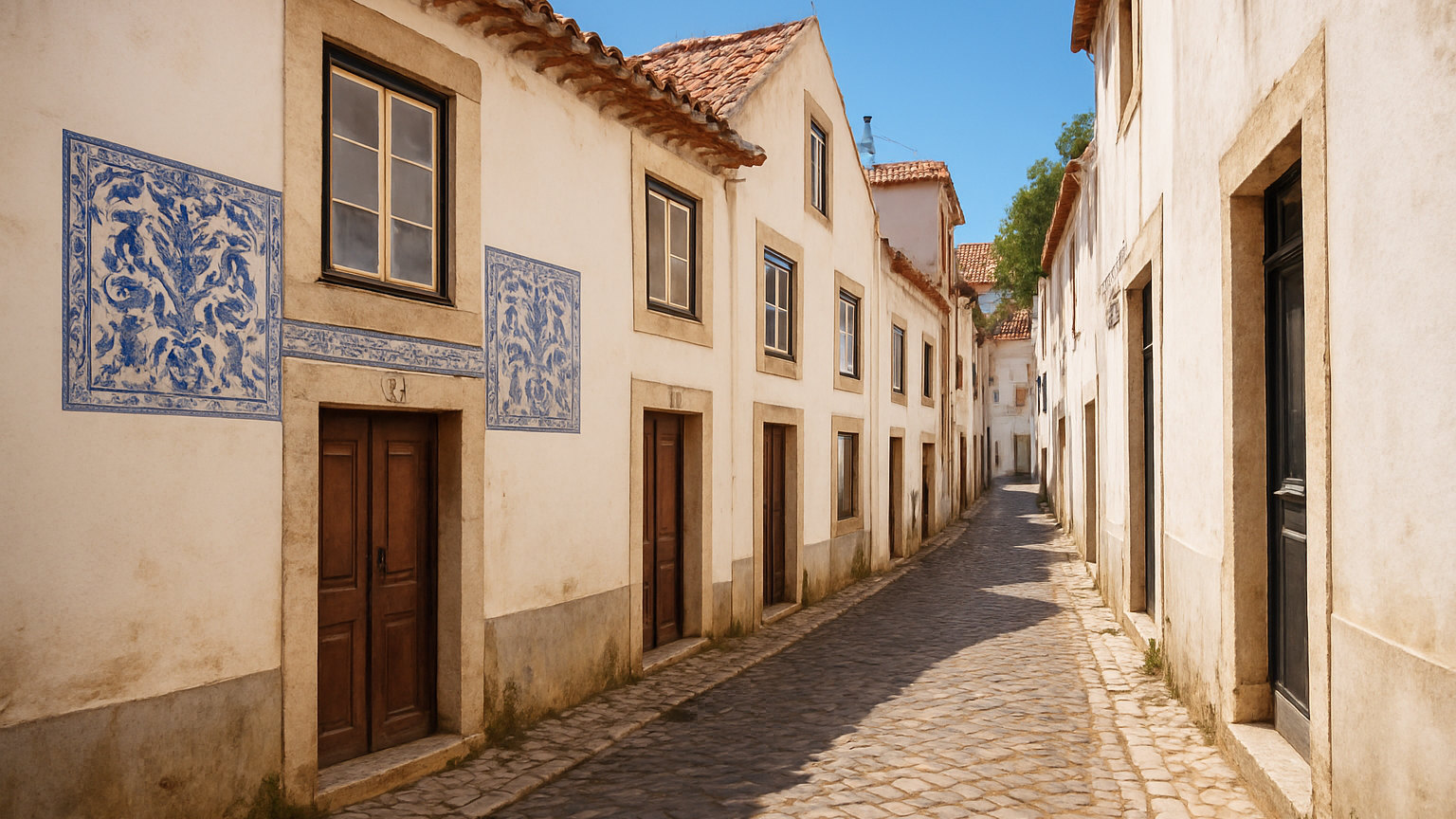
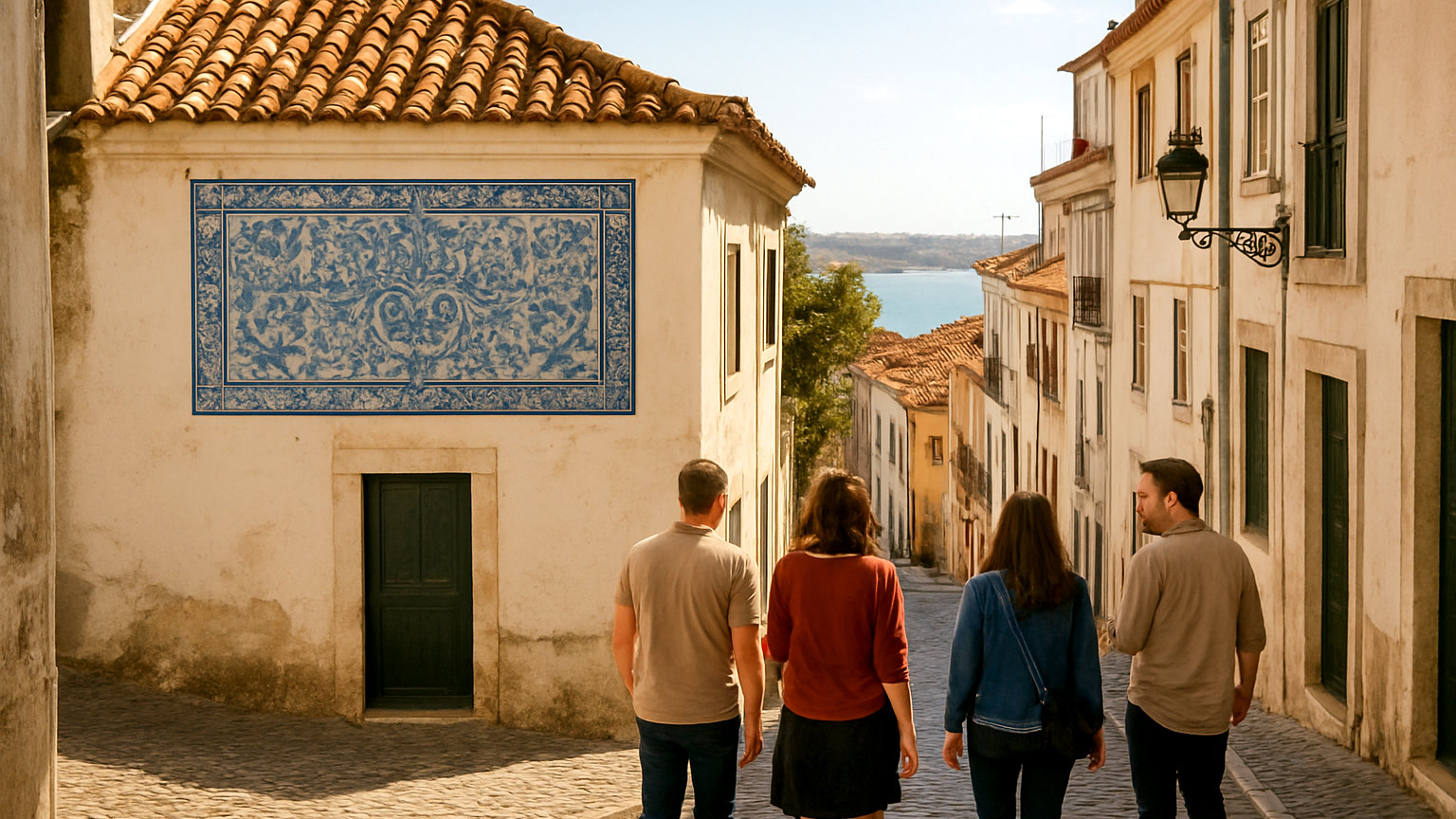
Portugal fits into a small space and rewards slow travel. Lisbon, Porto, the Algarve and the Douro cover most of it, and one region is routinely skipped.
Lake Ohrid is one of the oldest lakes on earth and the reason to come. Skopje is one of the strangest capitals in Europe and worth a night.
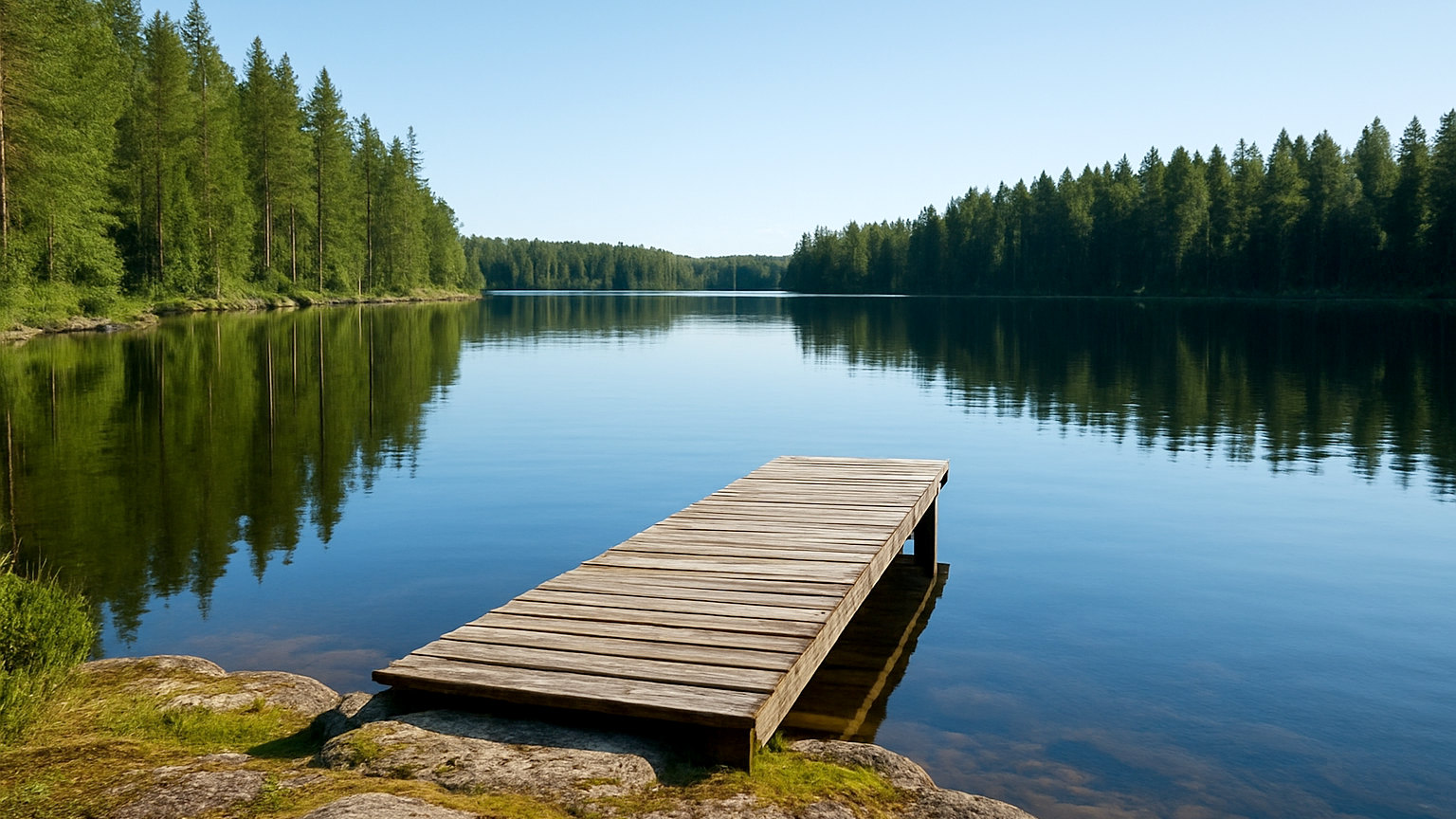
Finland splits cleanly into a design capital, a vast lake district and the Arctic north, and the season you choose matters more than the region.
The cheap countries are no longer the obvious ones, and one popular budget destination has quietly become mid-priced. What a week really costs, country by country.
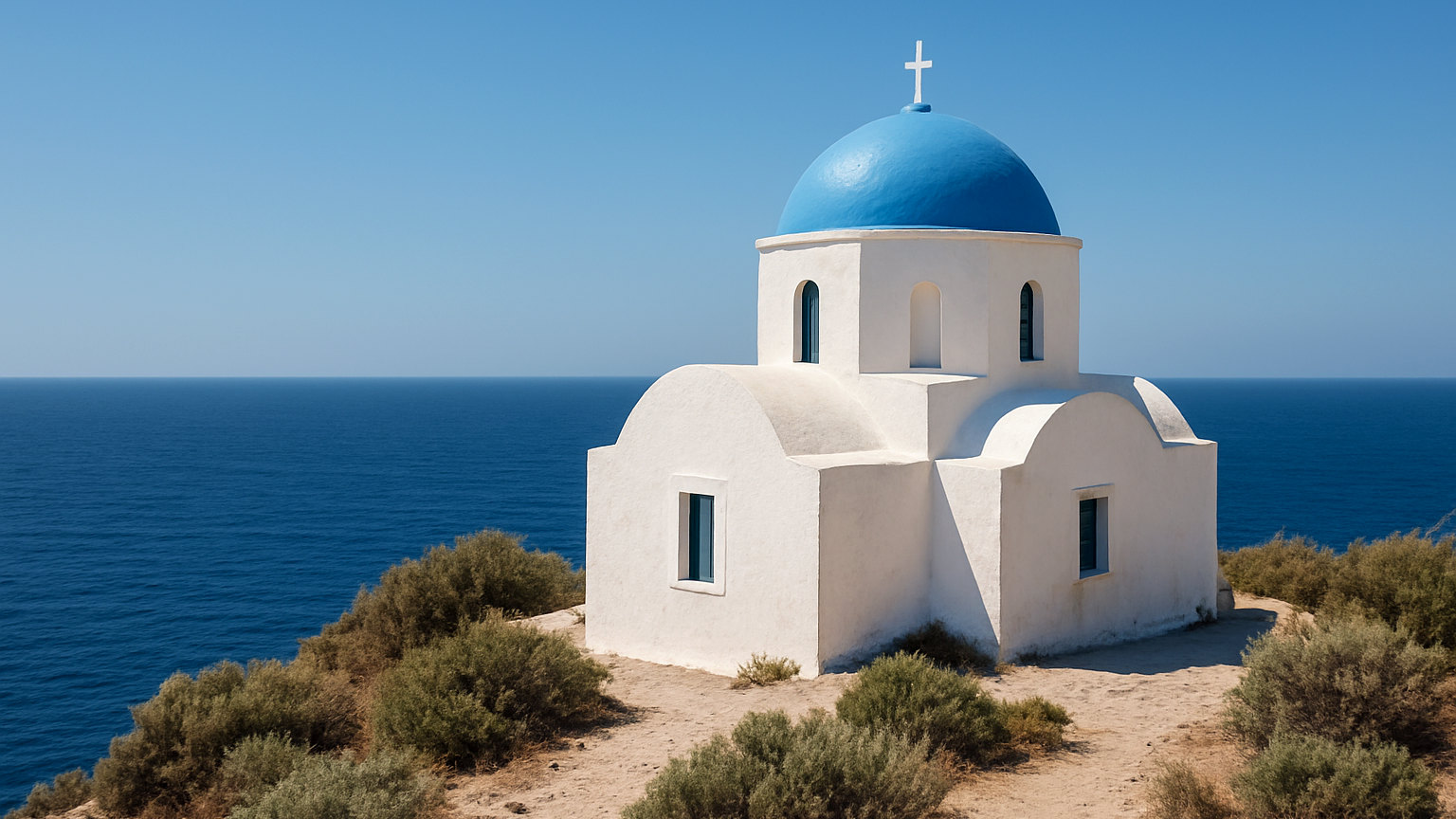
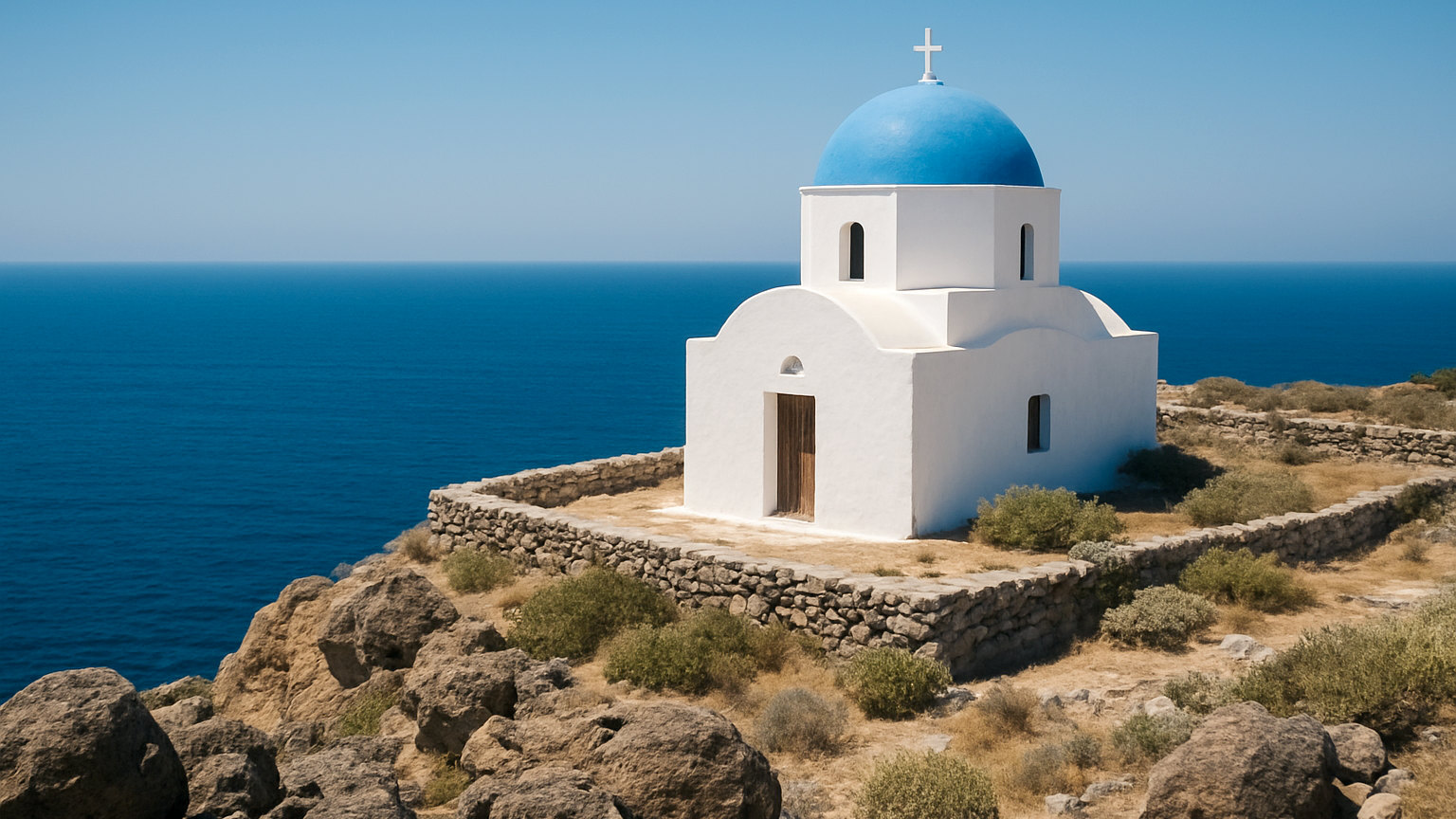
Most trips to Greece pick an island and stop there. The mainland holds the better ruins and a third of the cost, and the two combine well.
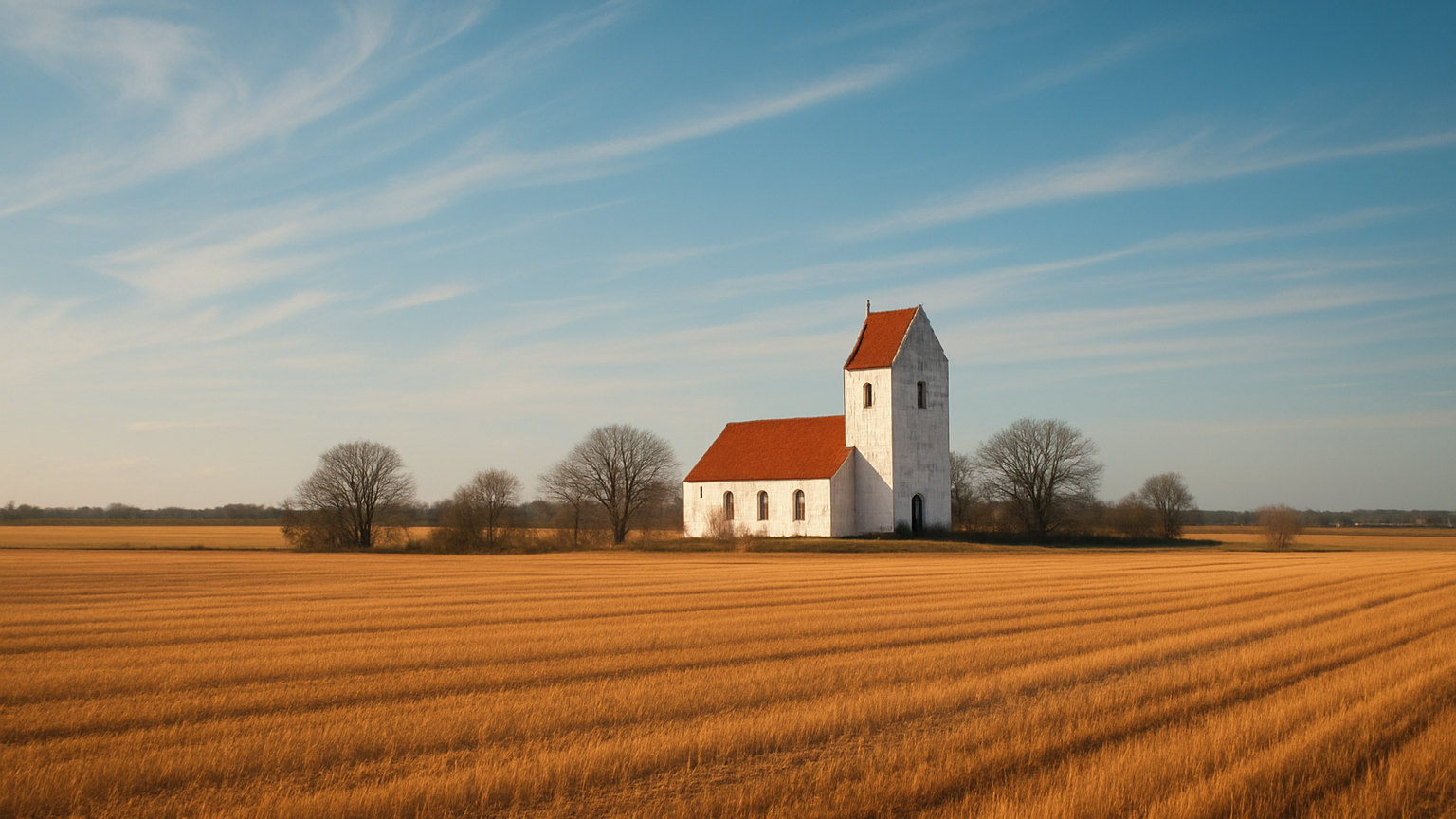
Denmark is small, flat and unusually easy to travel, and the country outside Copenhagen is almost entirely overlooked by visitors. What to add.
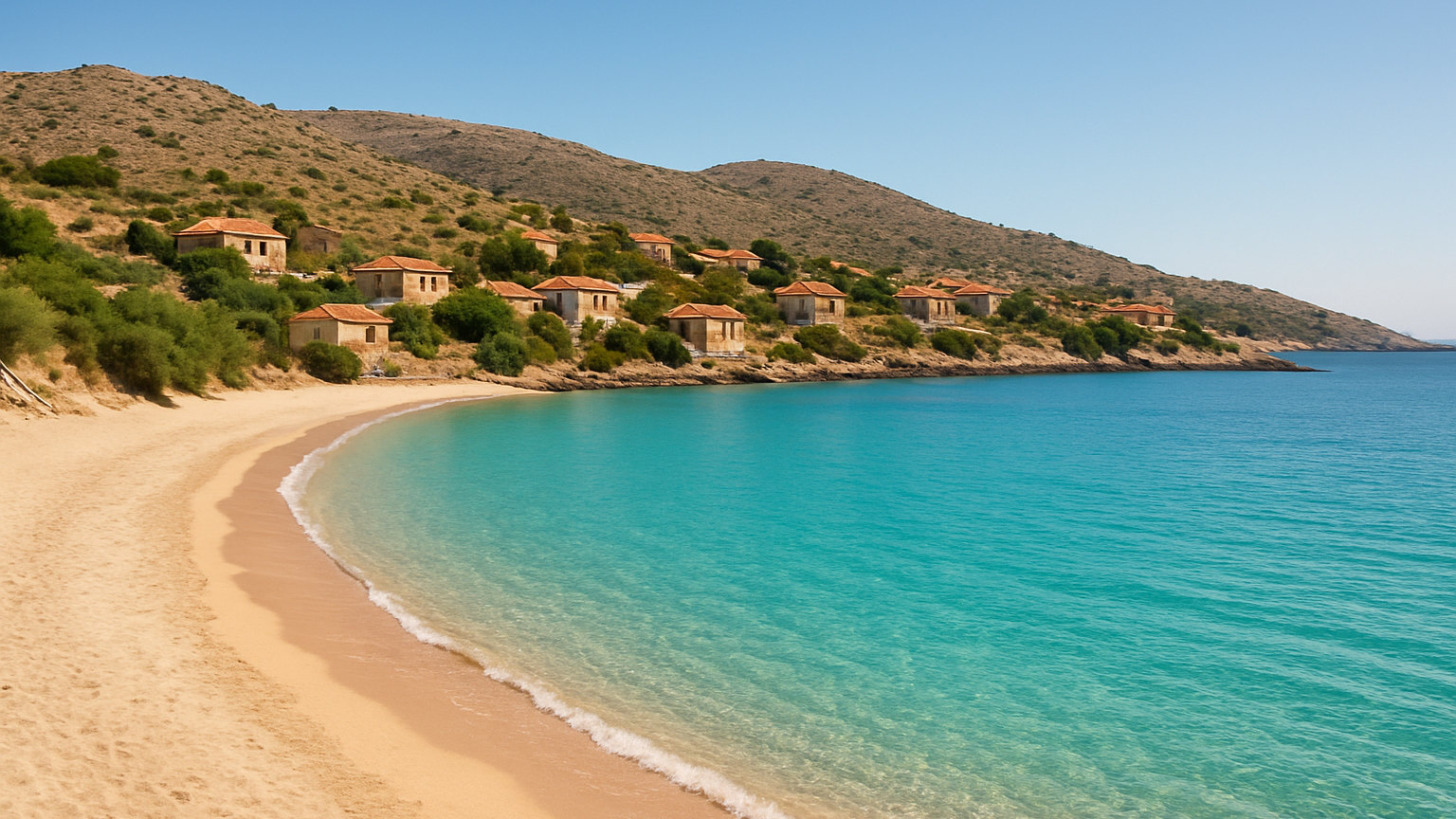
Albania has the last genuinely cheap Mediterranean coastline in Europe, and a mountain north that feels a century removed from the beaches.
The sea temperature is the deciding factor and almost nobody checks it. Here is how the two countries compare on water, cost, crowds and season length.