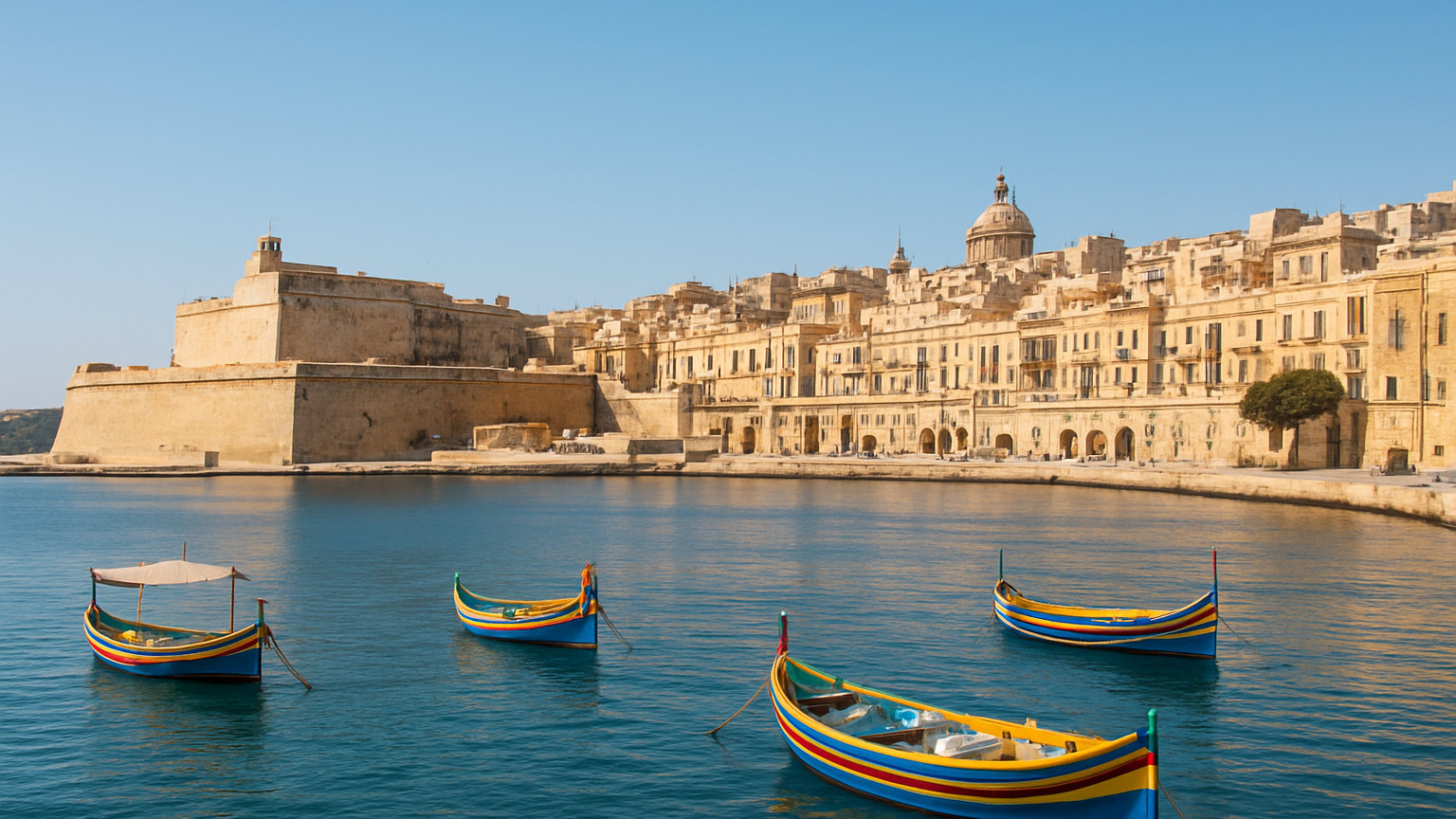
Where to Visit in Malta: Valletta, Gozo and the Coast
Malta packs a walled capital, prehistoric temples and a swimmable sea into an island you can drive across in an hour. What to prioritise.
Country by country — what each one is best at, how long you need, and where to start.
Malta packs a walled capital, prehistoric temples and a swimmable sea into an island you can drive across in an hour. What to prioritise.
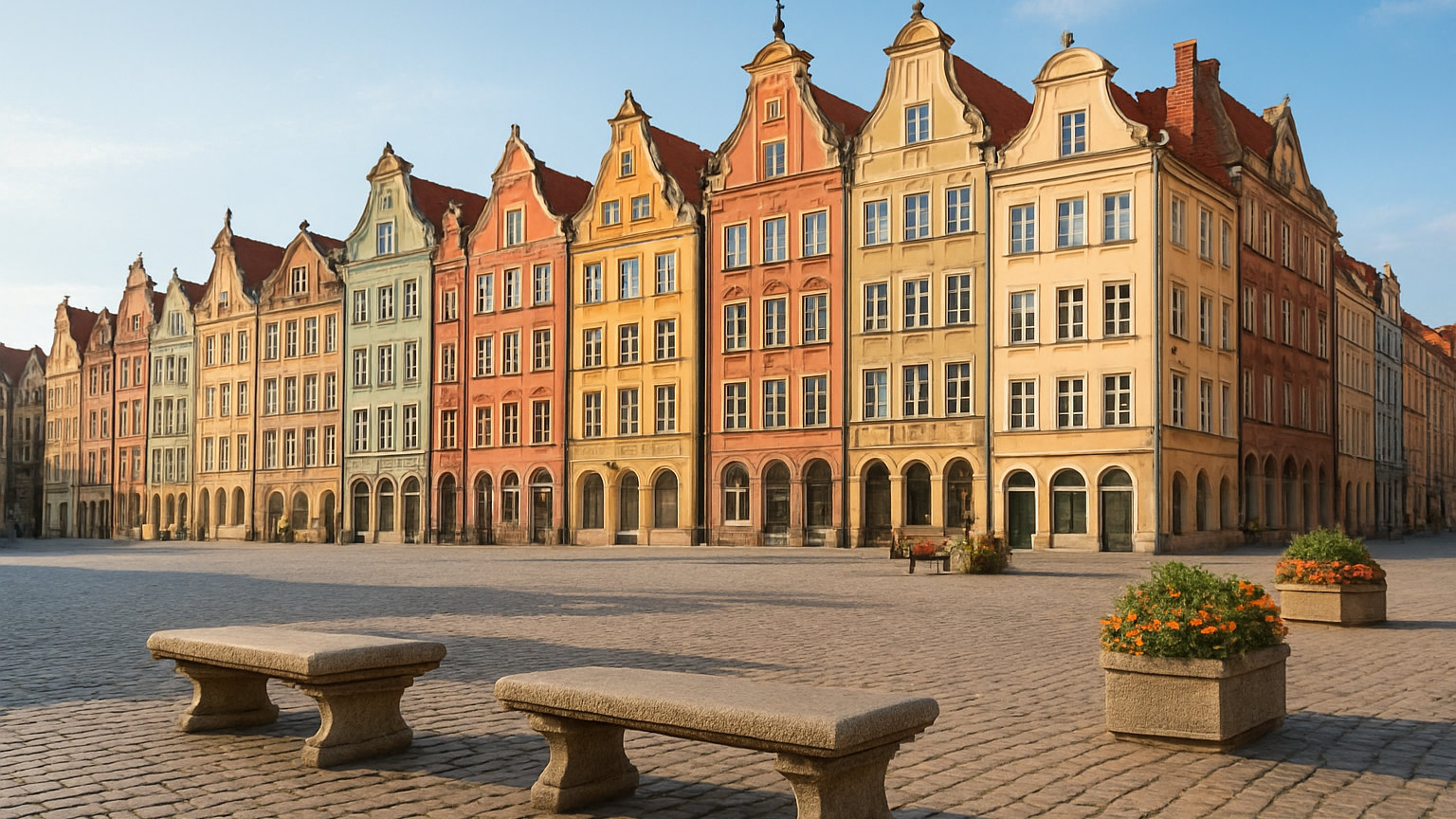
Poland offers the best value in Europe for a city break, and there is far more to it than Krakow. What each city holds and where to go beyond them.
Some countries can be seen entirely by train and bus, and others quietly require driving. Knowing which is which saves a great deal of money.
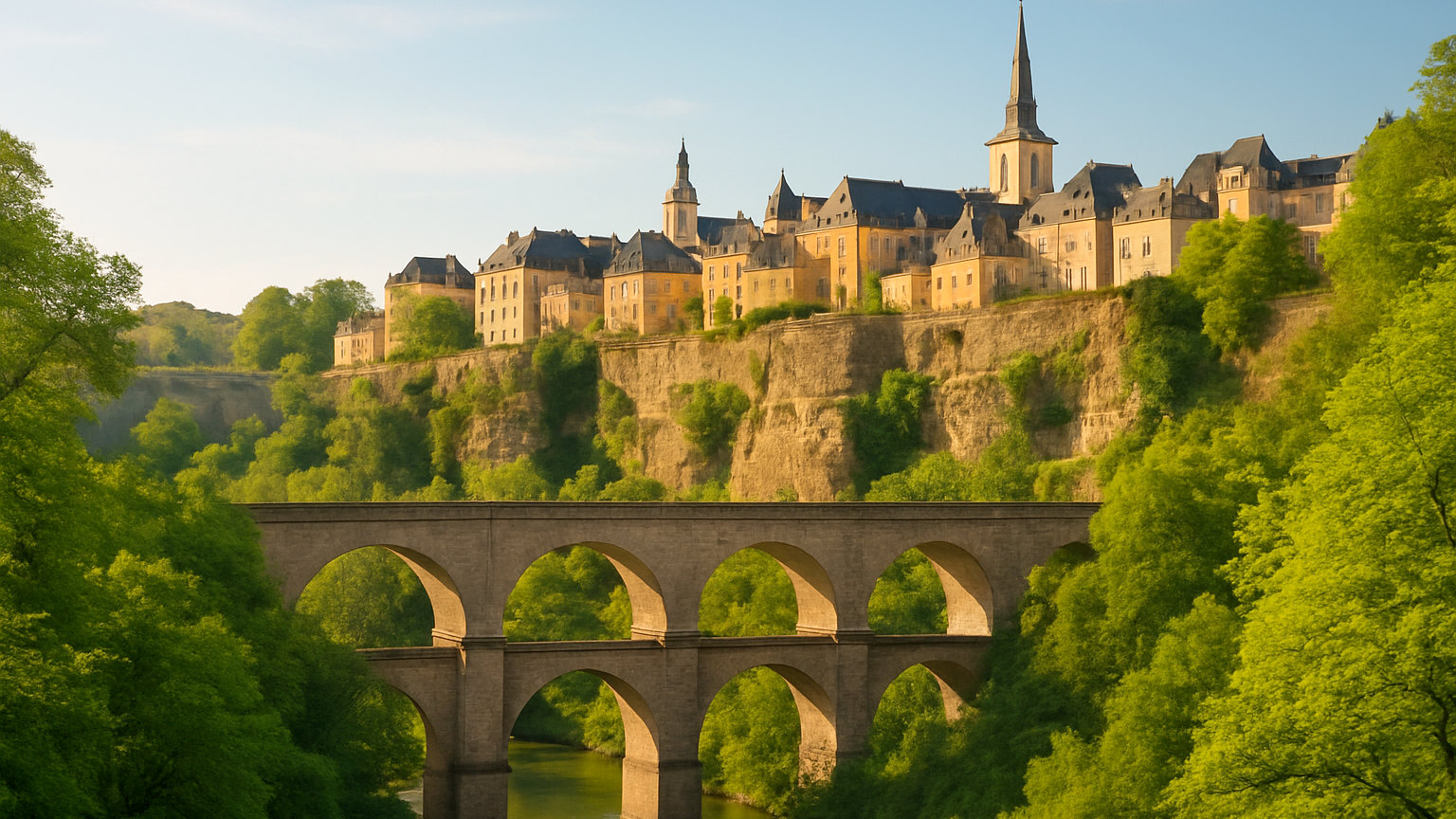
Luxembourg City is built across a gorge and is more dramatic than its banking reputation suggests, and all public transport in the country is free.
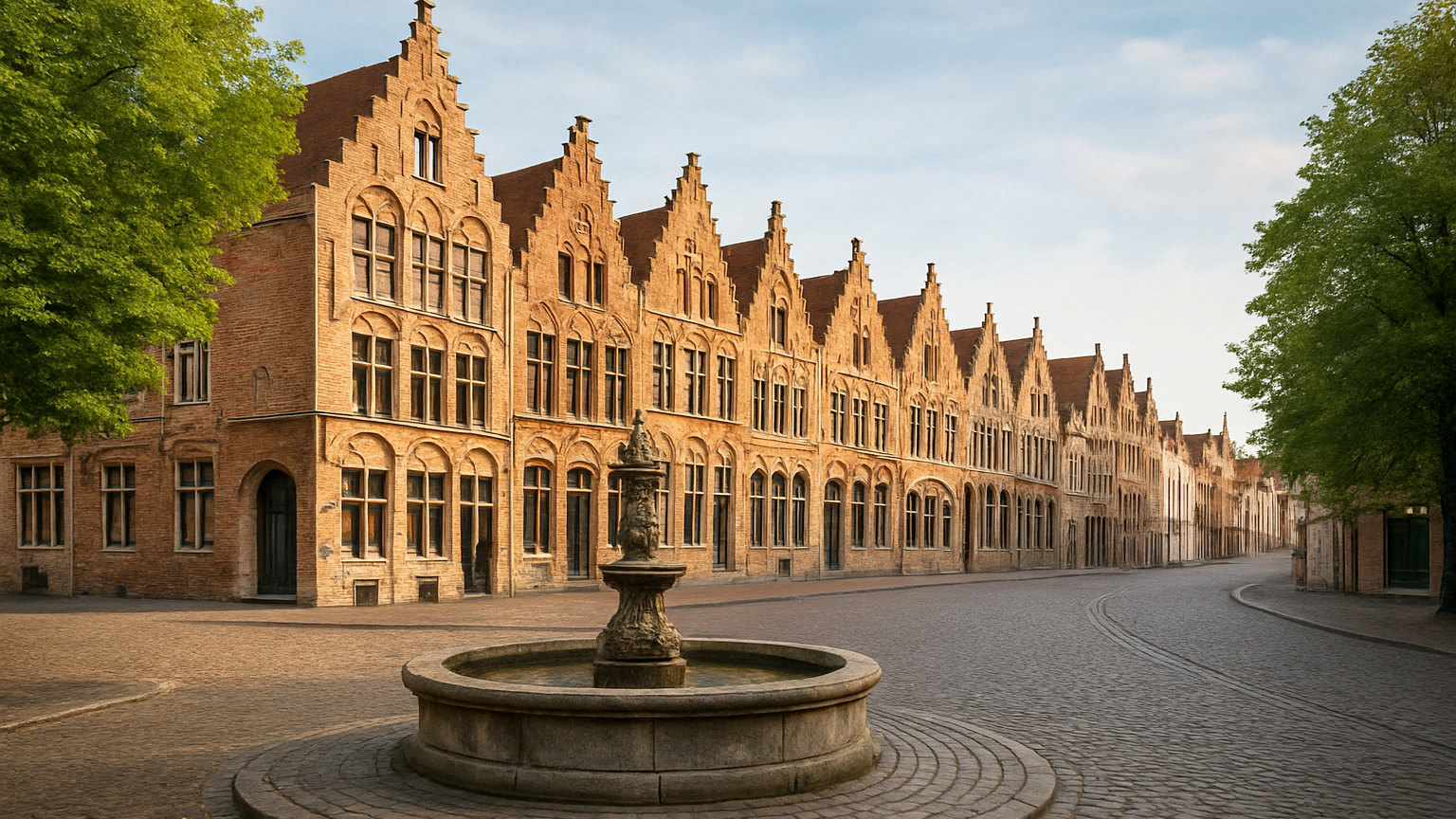
Belgium is small enough that every city is under an hour from the last, which makes it the easiest country in Europe for a multi-city short break.
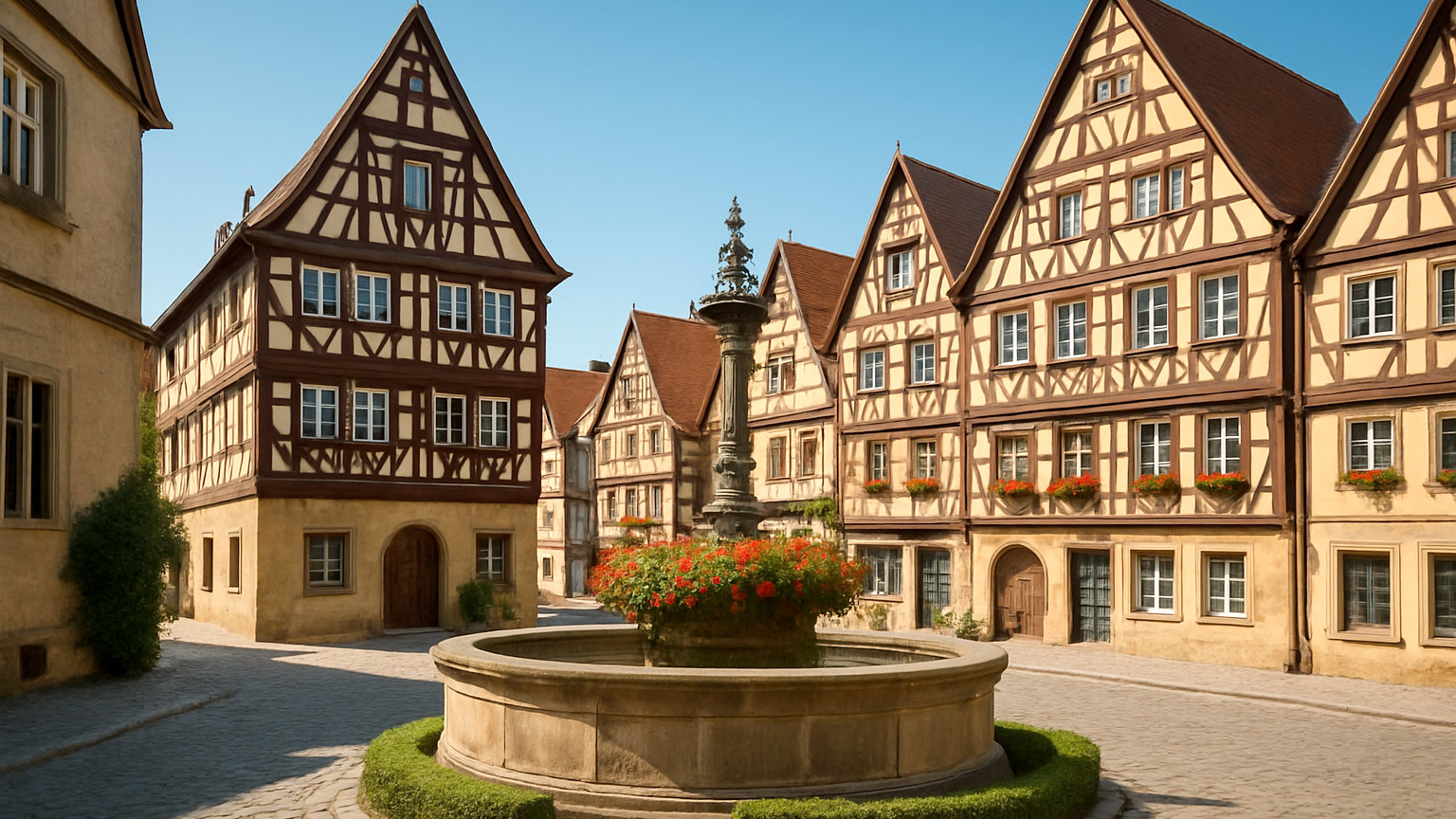
Germany is easy to travel and has a few firm conventions that catch visitors out. Cash, Sundays and jaywalking cause more confusion than the language does.
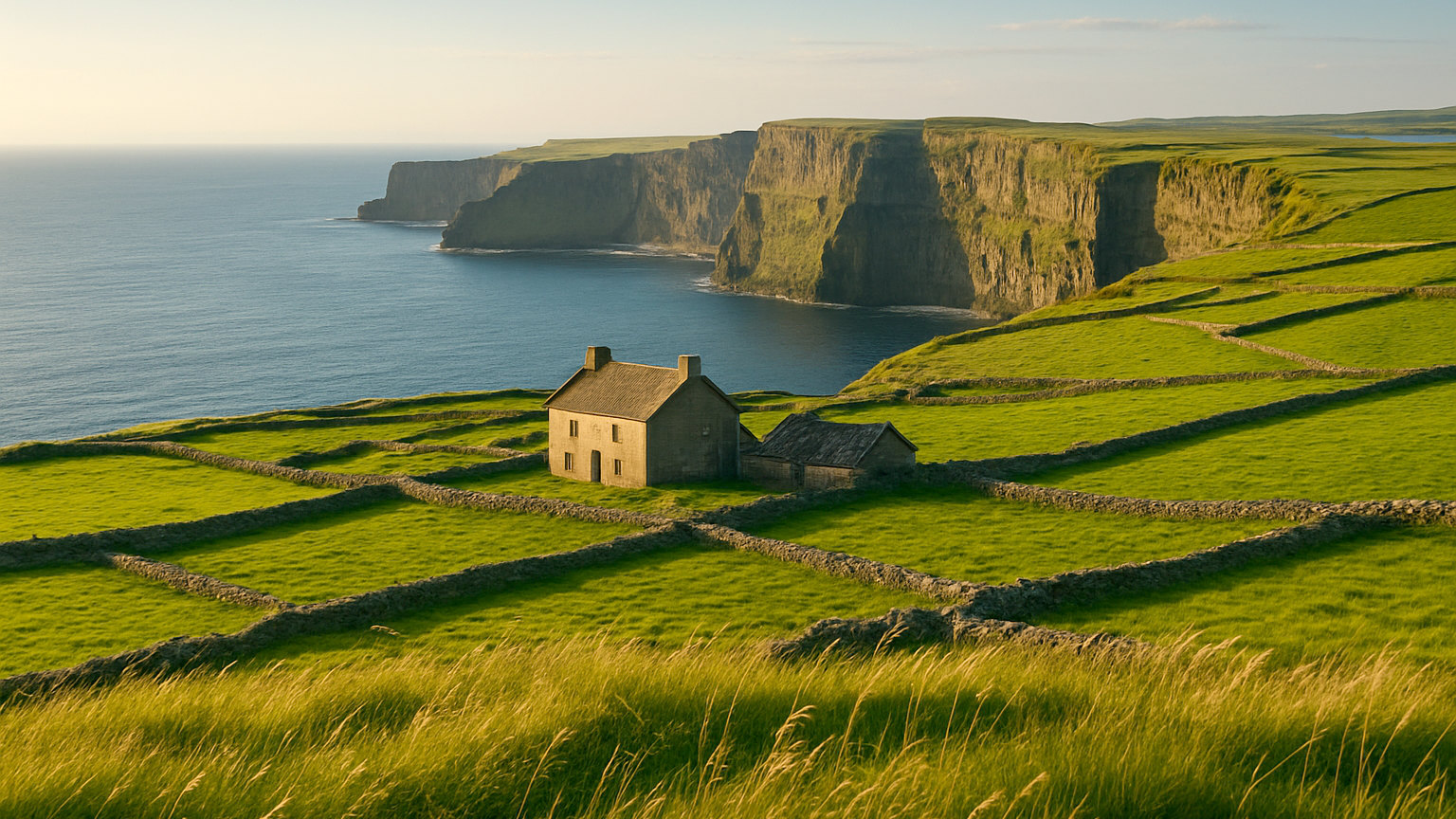
The west coast is the reason to go and it needs a car. What to see between Dublin and the Atlantic, and how long each stretch actually takes.
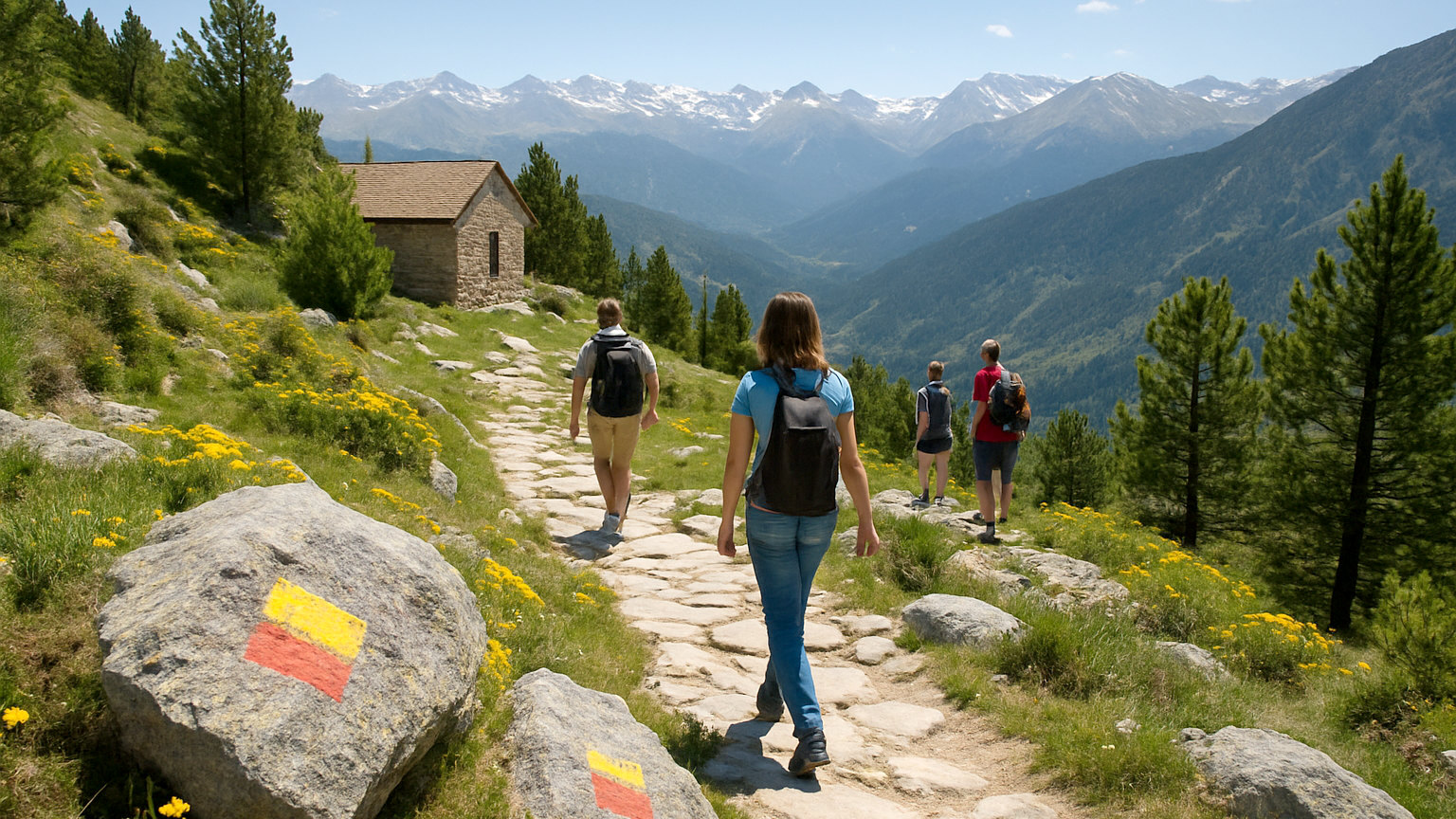
Andorra has no airport and no railway, which puts most people off. It also has the largest ski area in the Pyrenees and duty-free prices.
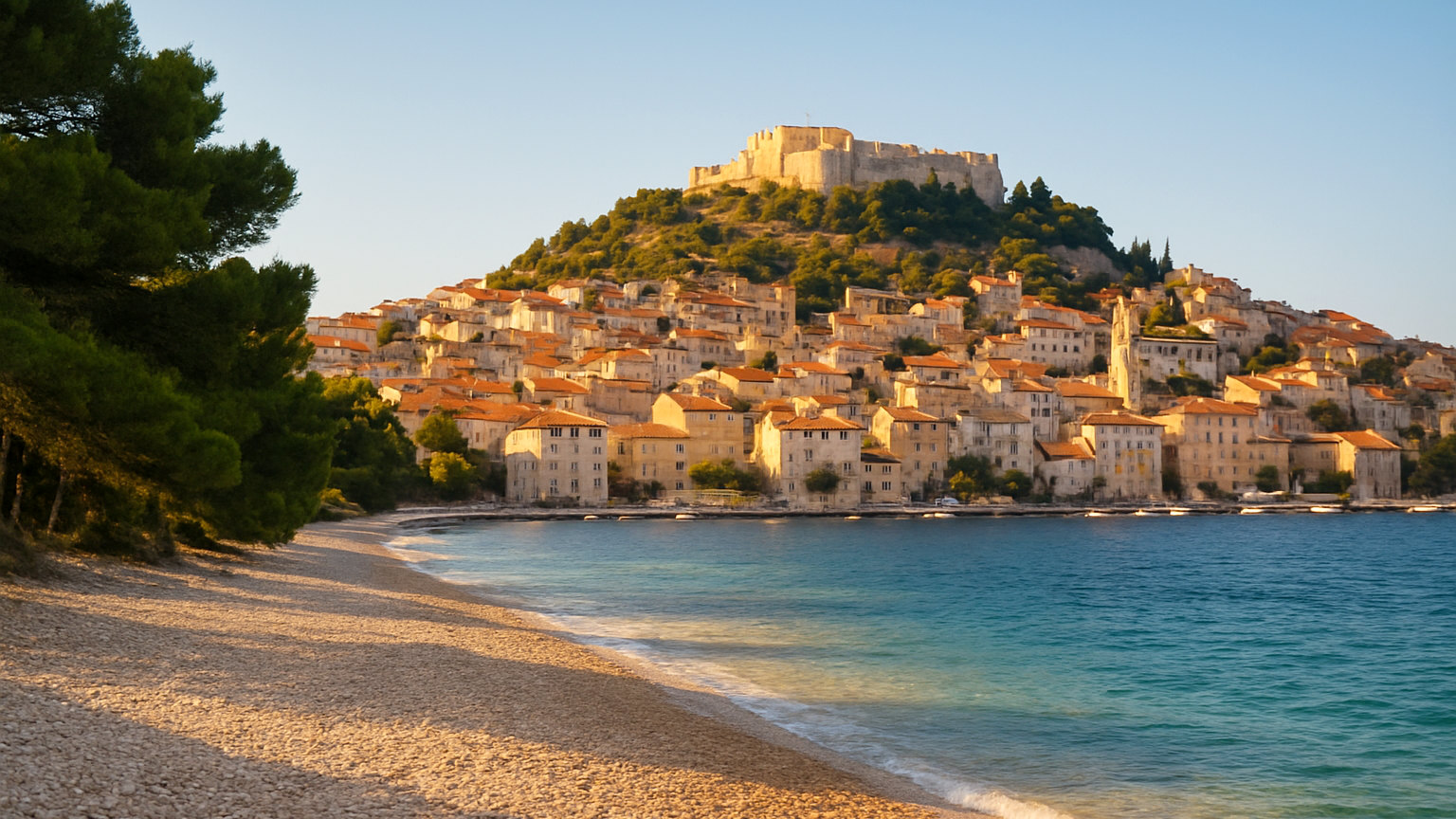
Croatian islands are close together and Greek ones are not, which decides more than any other factor. What that means for a one or two week trip.
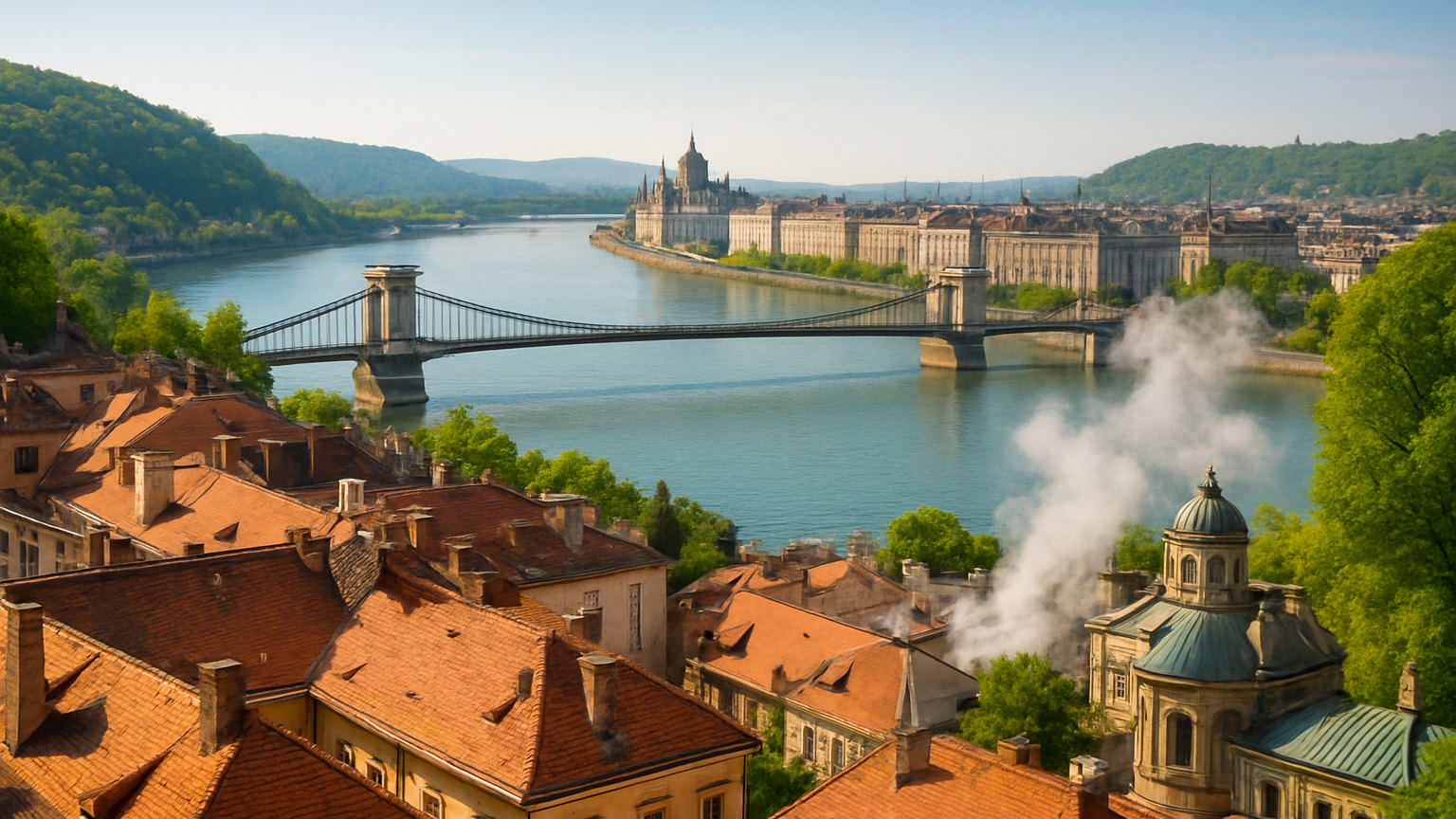
Budapest is one of the great European city breaks and the rest of Hungary is a lake, a wine region and a set of baroque towns almost nobody visits.
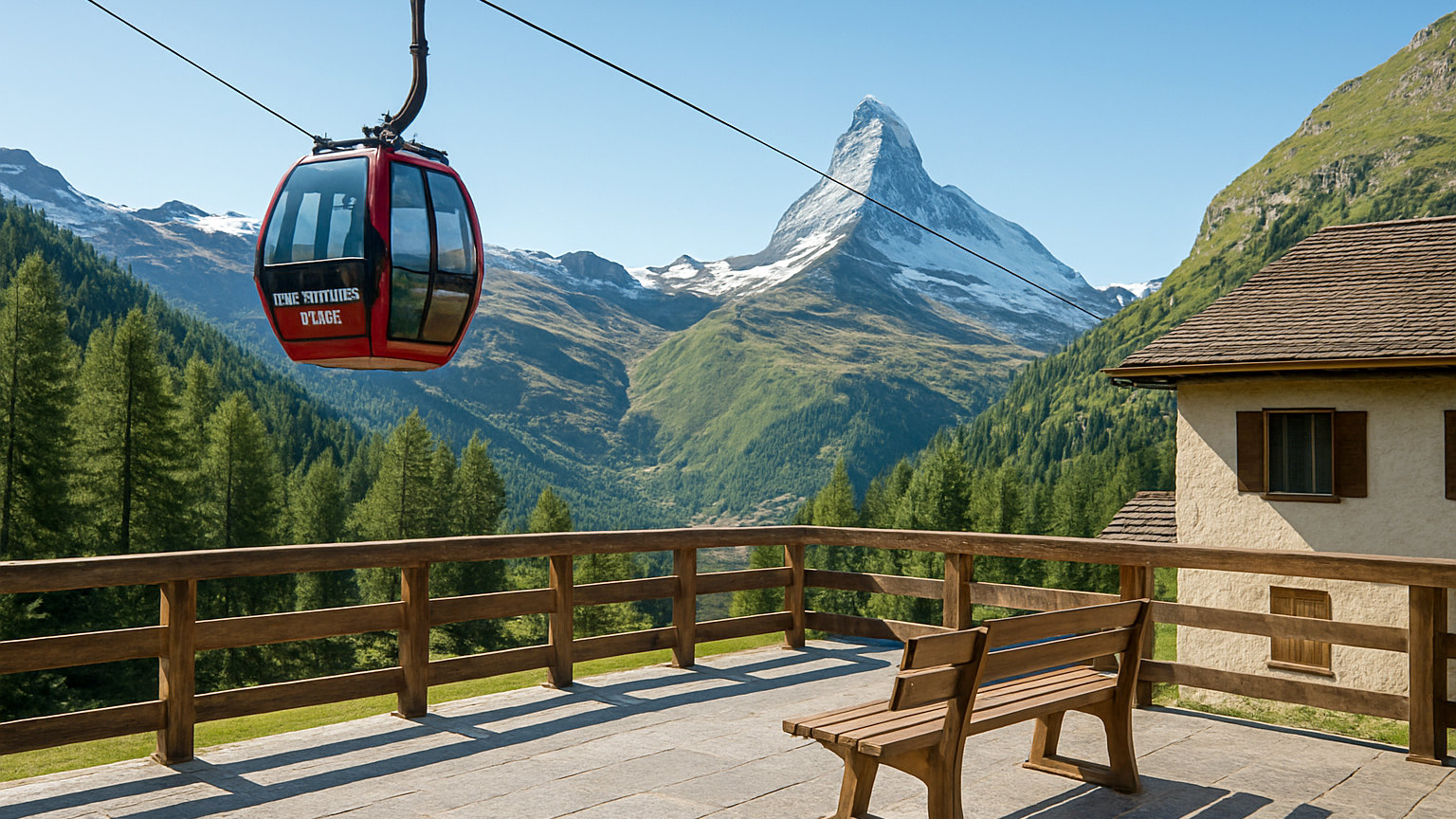
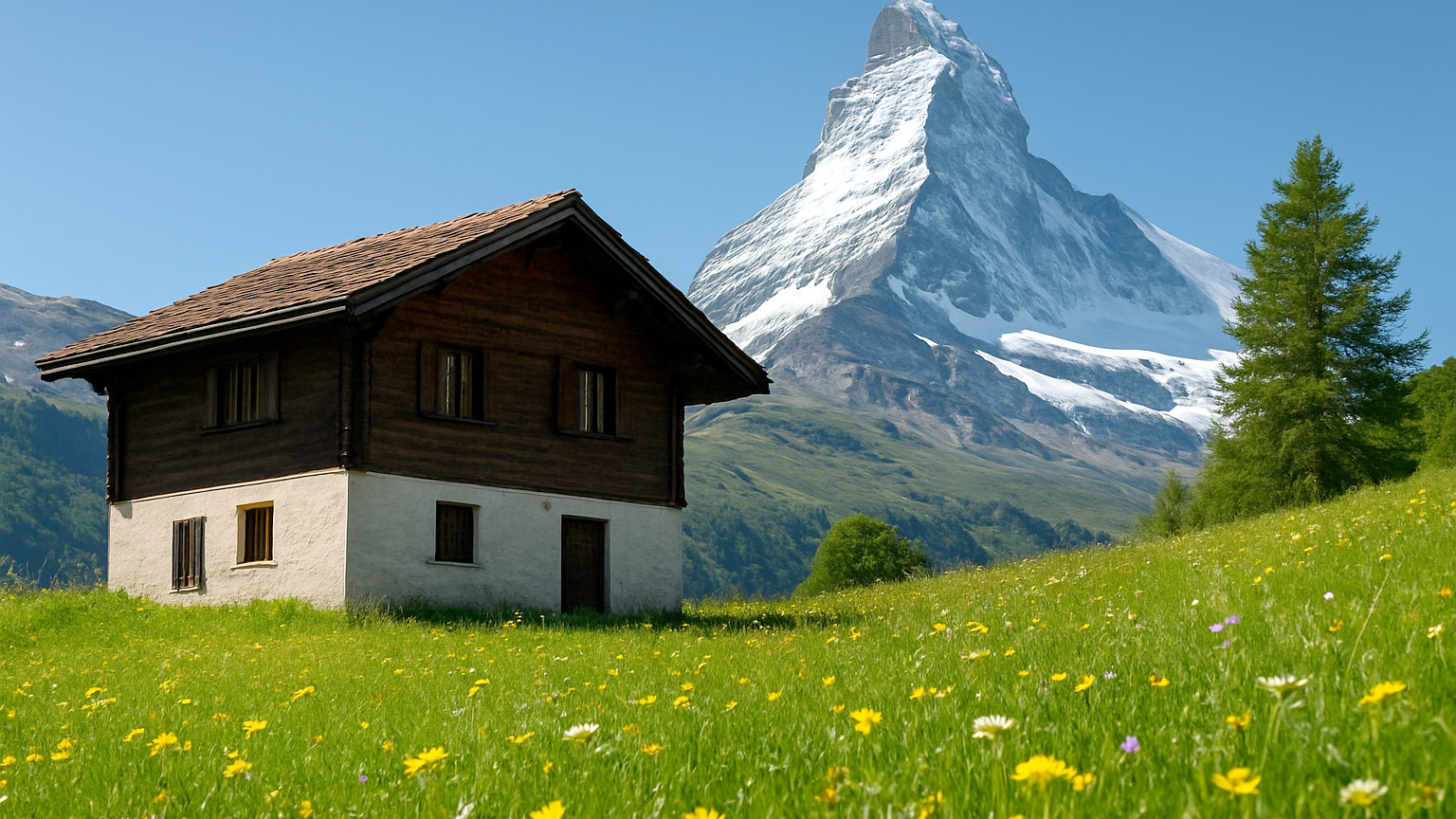
The famous summits are extraordinary and priced accordingly. Which ones justify the cost, and where the cheaper mountains are just as good.
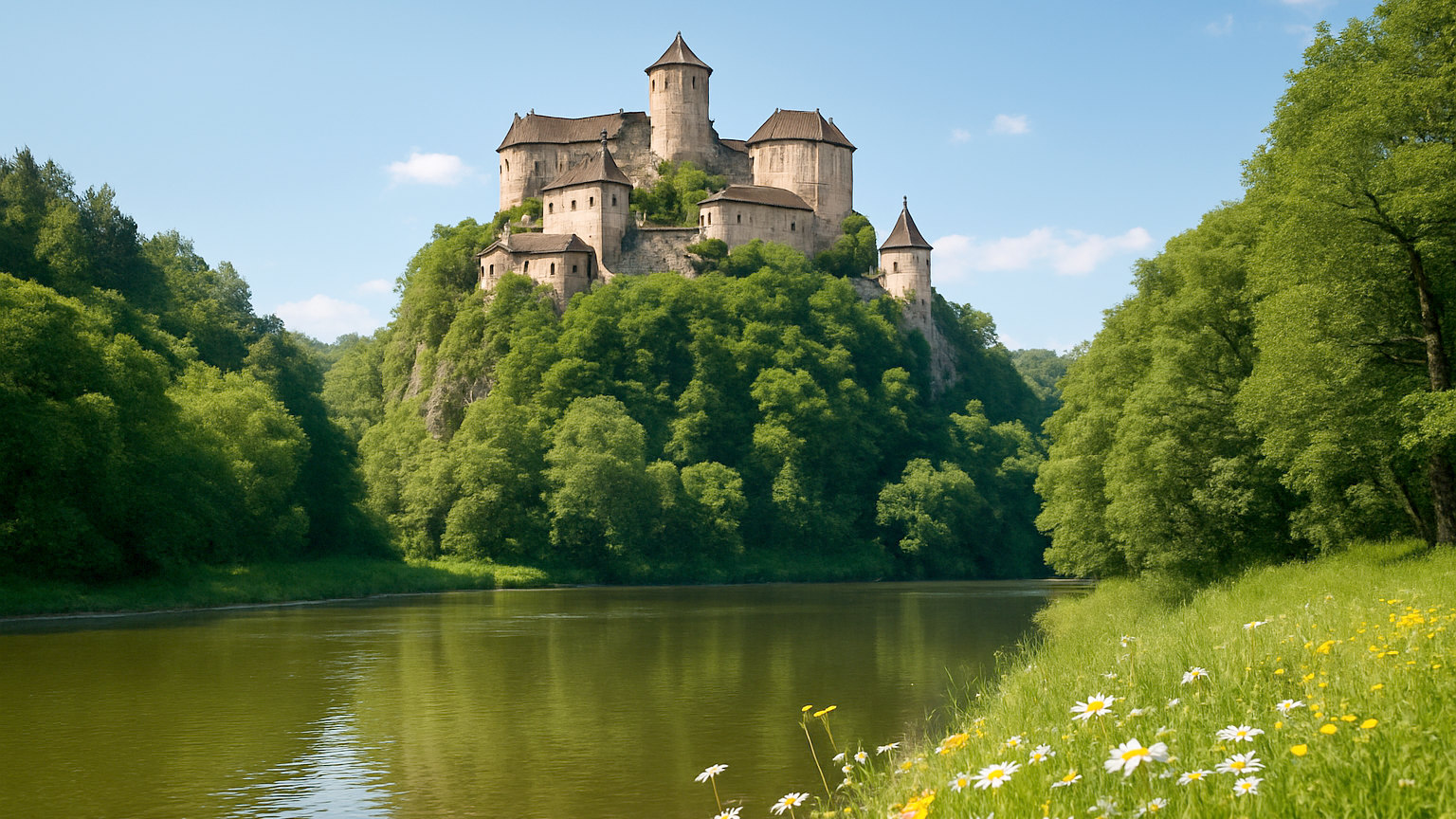
Slovakia has the highest mountains between the Alps and the Caucasus and more castles per head than anywhere in Europe, and almost no visitors.