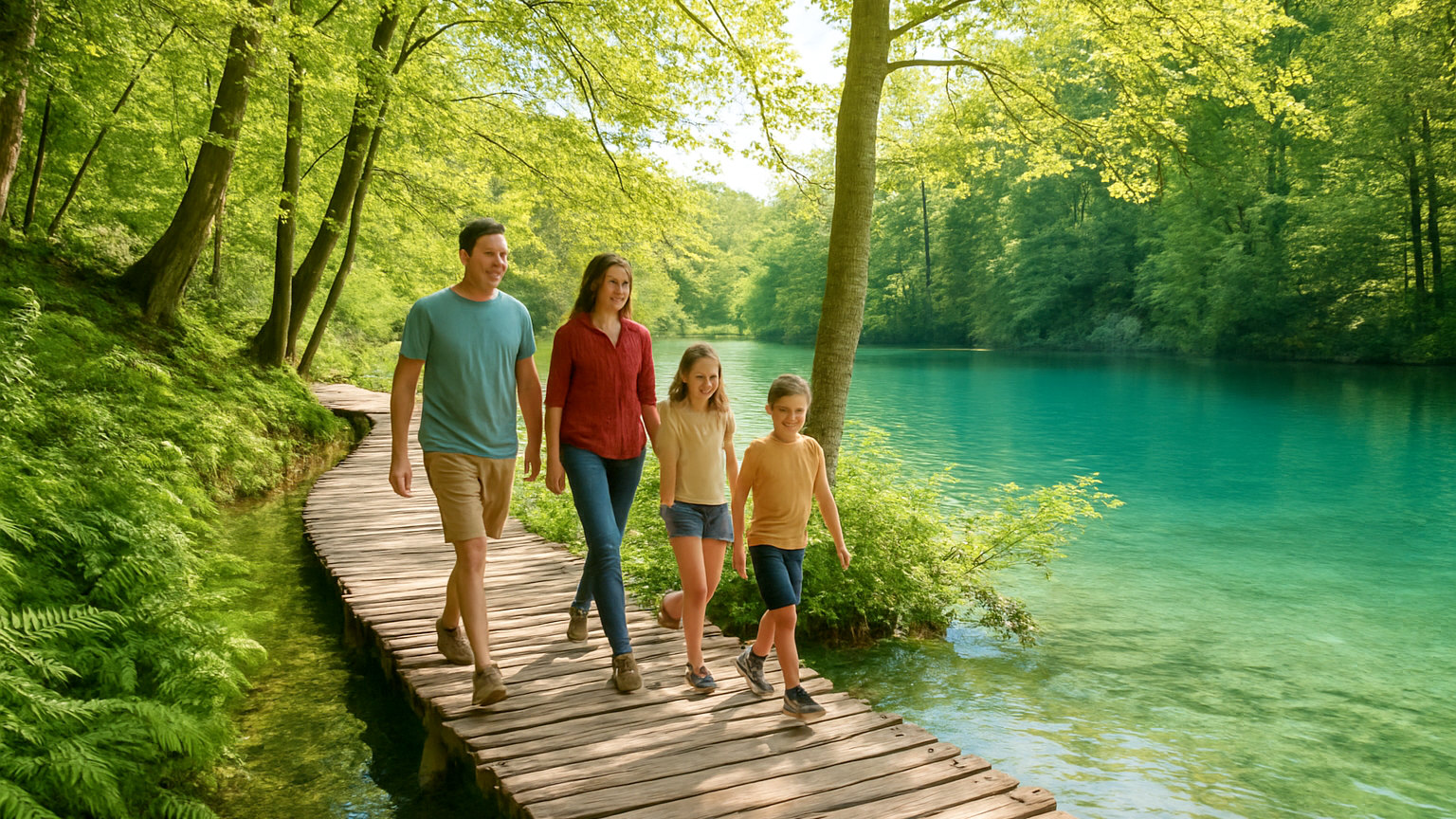
What Should You Do With Children?
Children travel well in Europe if the day has one thing in it for them, and the successful activities are rarely the educational ones.
By European Destinations Team
13 Jul 2026

What is actually worth your time in each destination, and which famous attraction to skip.
Children travel well in Europe if the day has one thing in it for them, and the successful activities are rarely the educational ones.
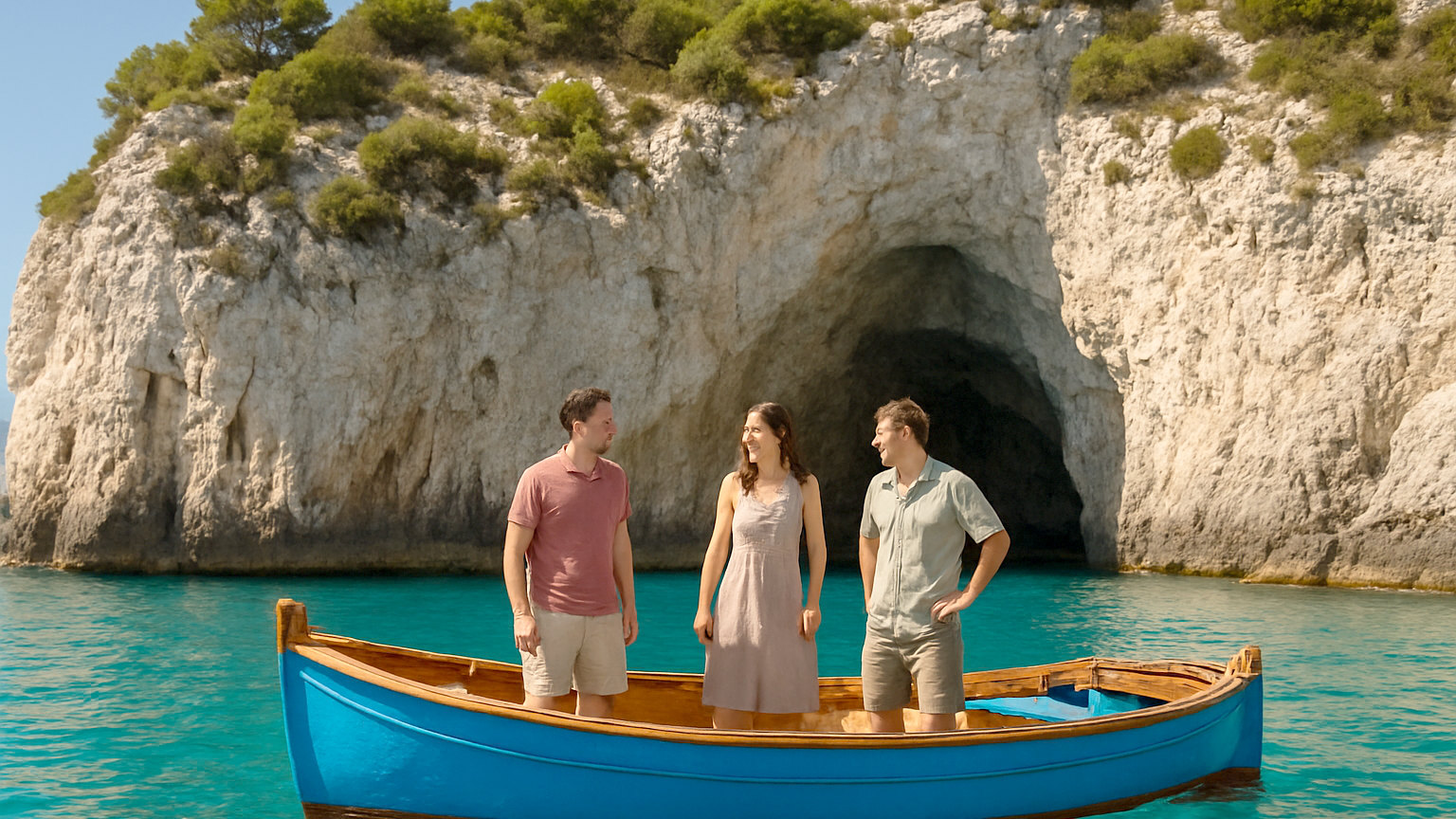
Some coasts and cities can only properly be seen from the water, and the scheduled ferry is frequently better than the tour.
A handful of European museums genuinely need a full day, and most people ruin them by trying to see everything in three hours.
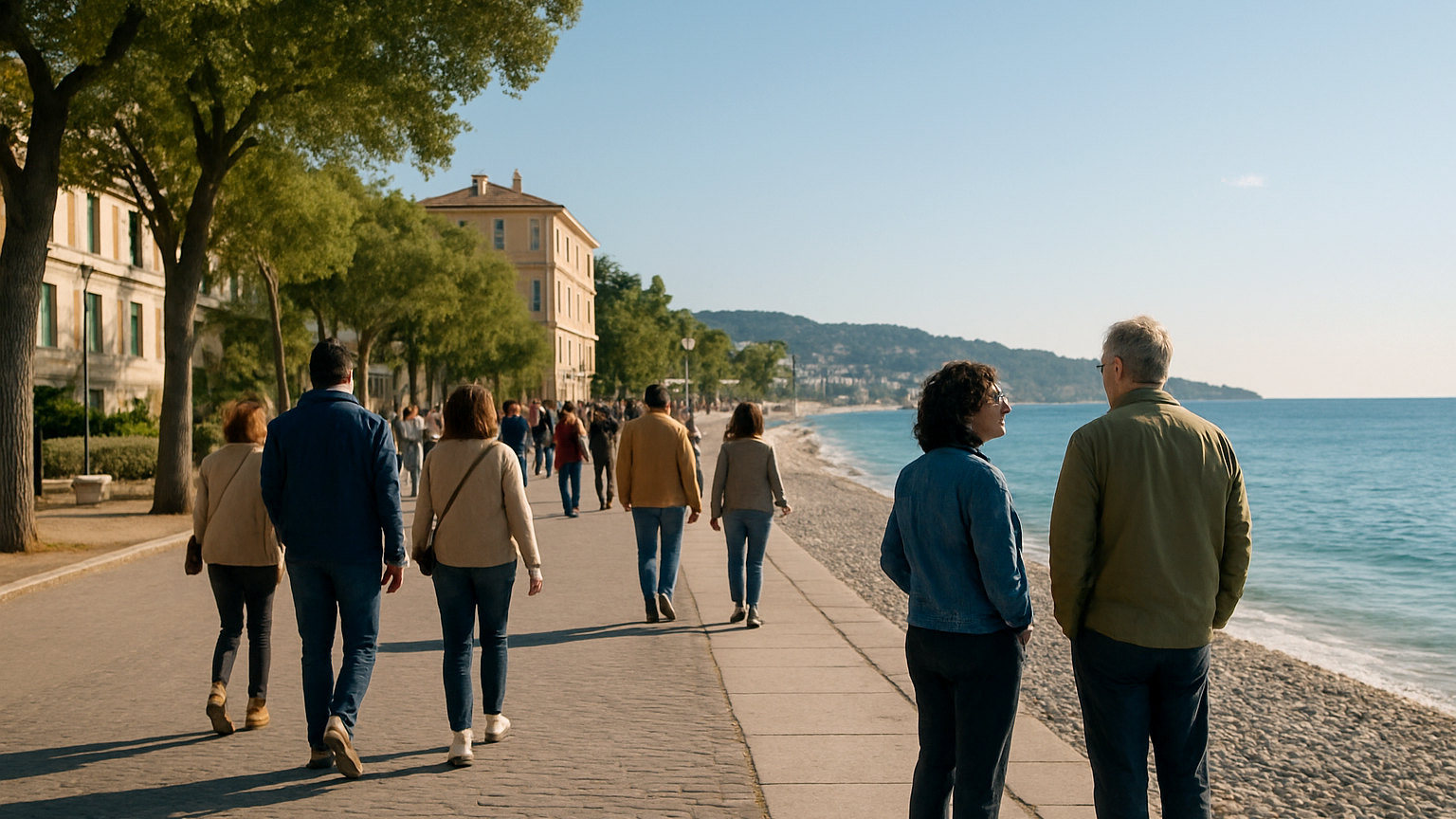
A great deal of what makes a European city enjoyable costs nothing, and the free things are frequently the ones people remember.
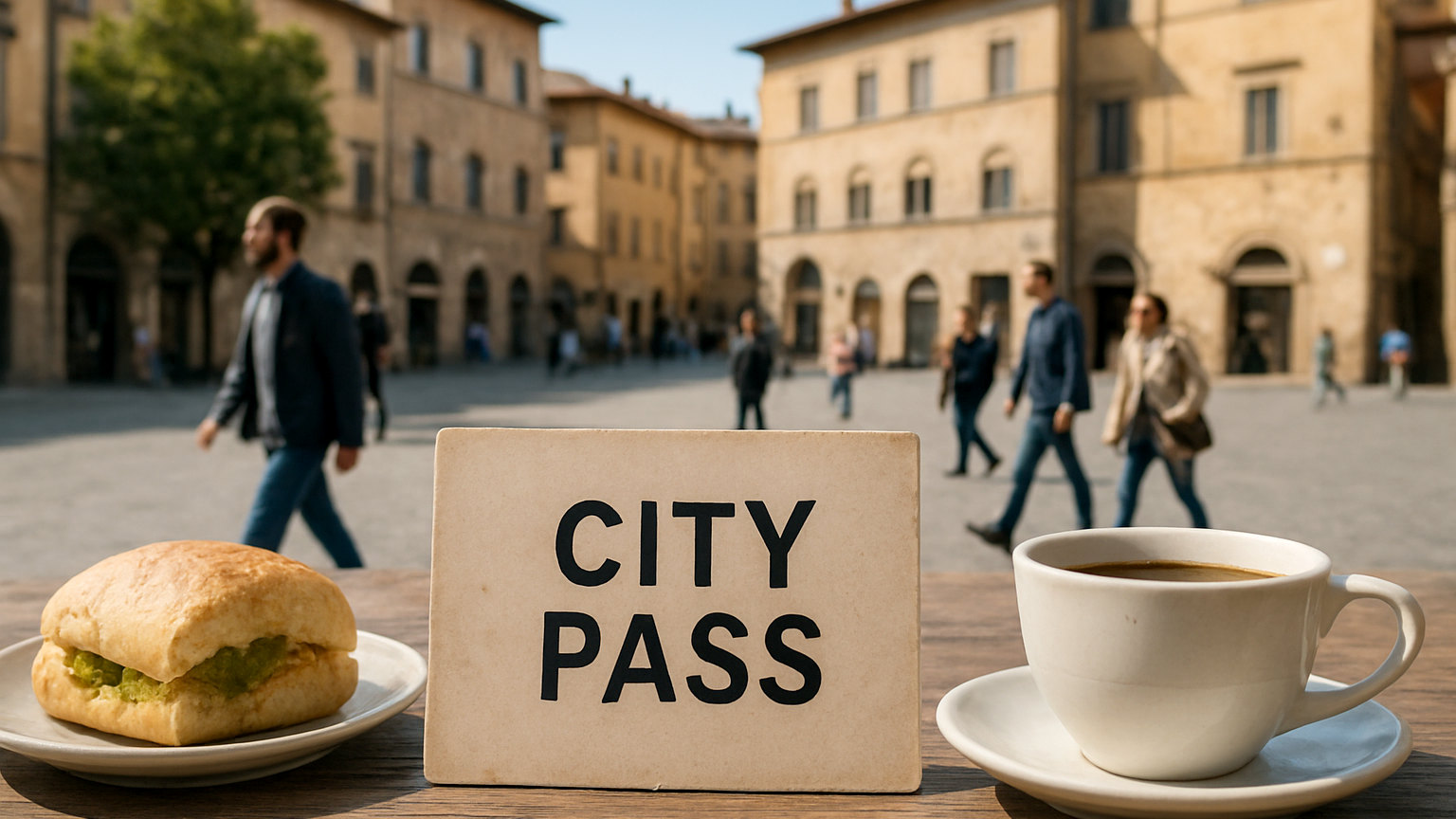
A city pass pays off only if you visit enough to cover it, and the arithmetic usually requires a harder day than people want.
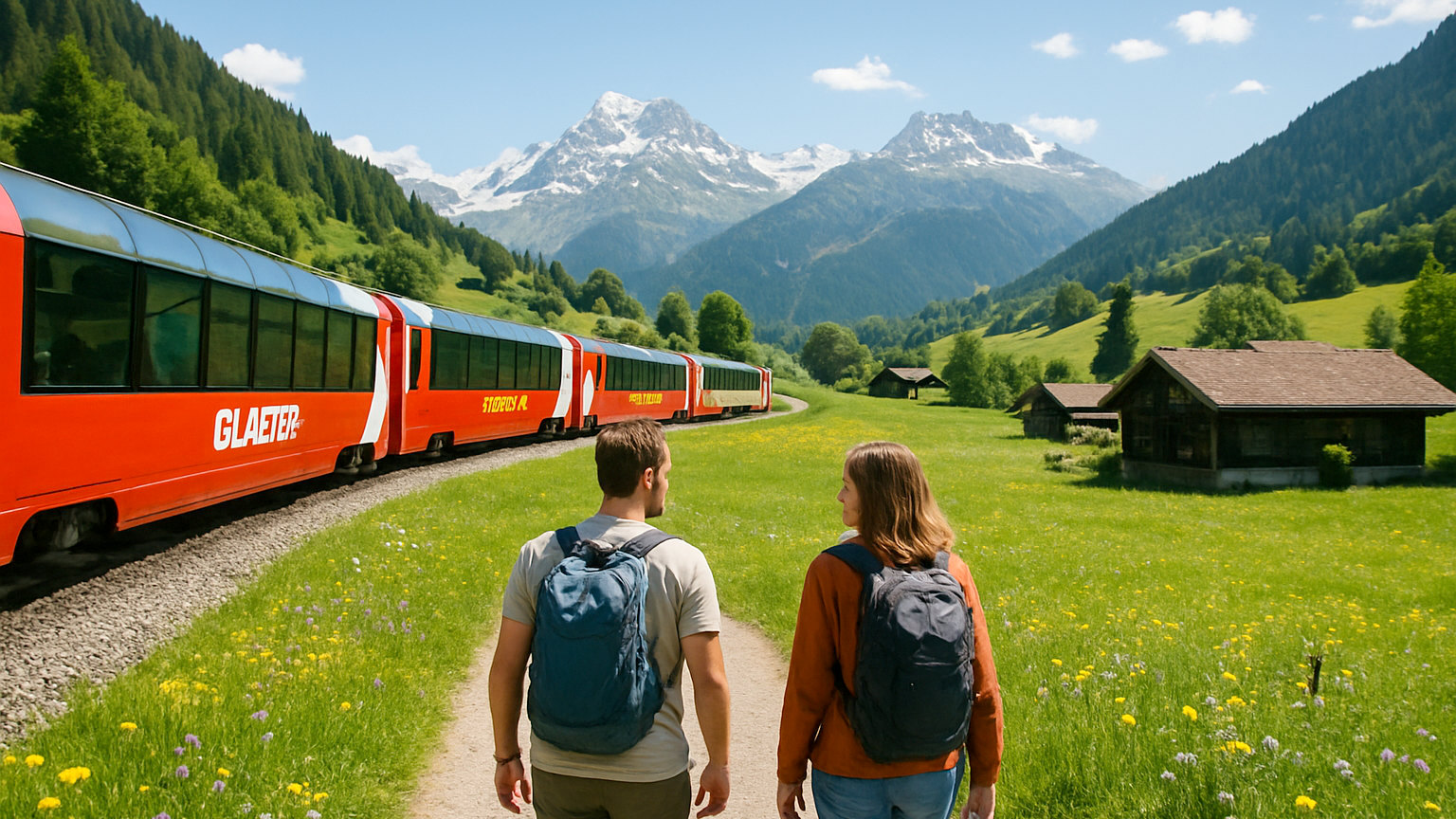
Several European railways are worth riding for the journey itself, and most cost the ordinary fare rather than a tourist premium.
A wet day in Europe is an opportunity rather than a loss, since almost everything indoors is emptier than usual.
The events worth finding are rarely listed in English, and two or three local sources turn up things no visitor guide carries.
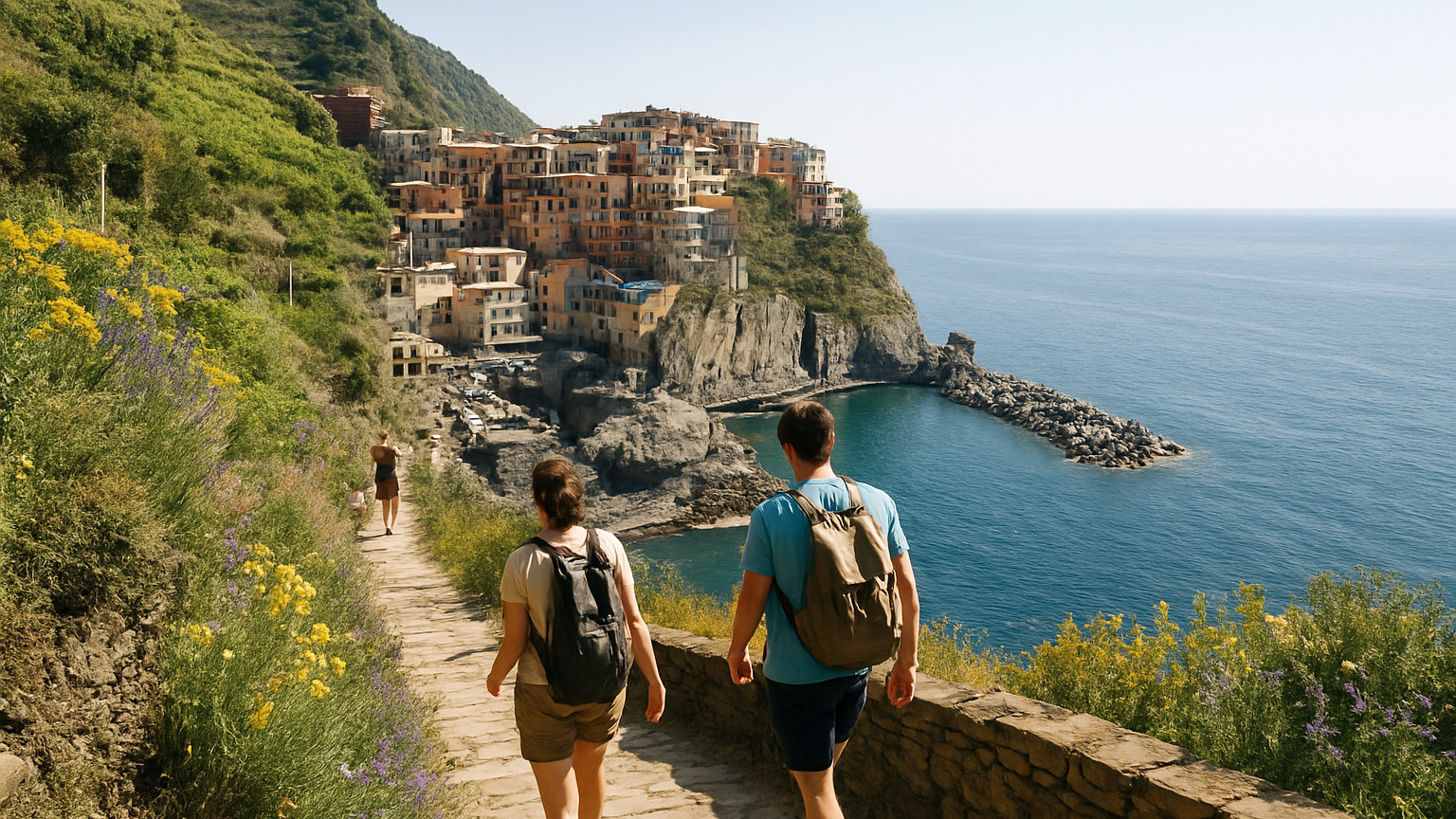
Europe has a walking infrastructure unmatched anywhere, and the best routes include several that need no equipment at all.
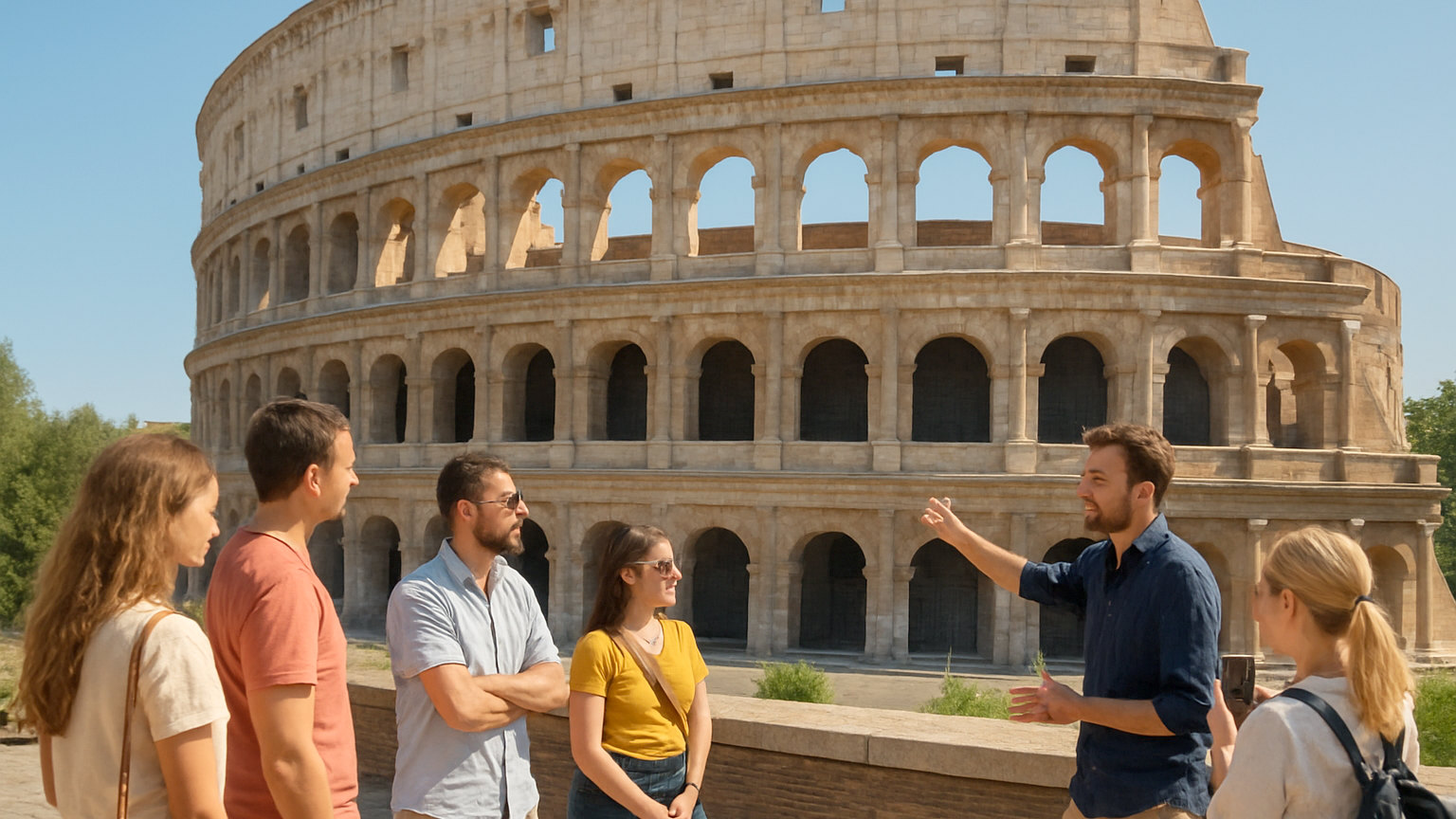
A good guide transforms a site you would otherwise walk past, and the difference between a good and bad one is enormous.
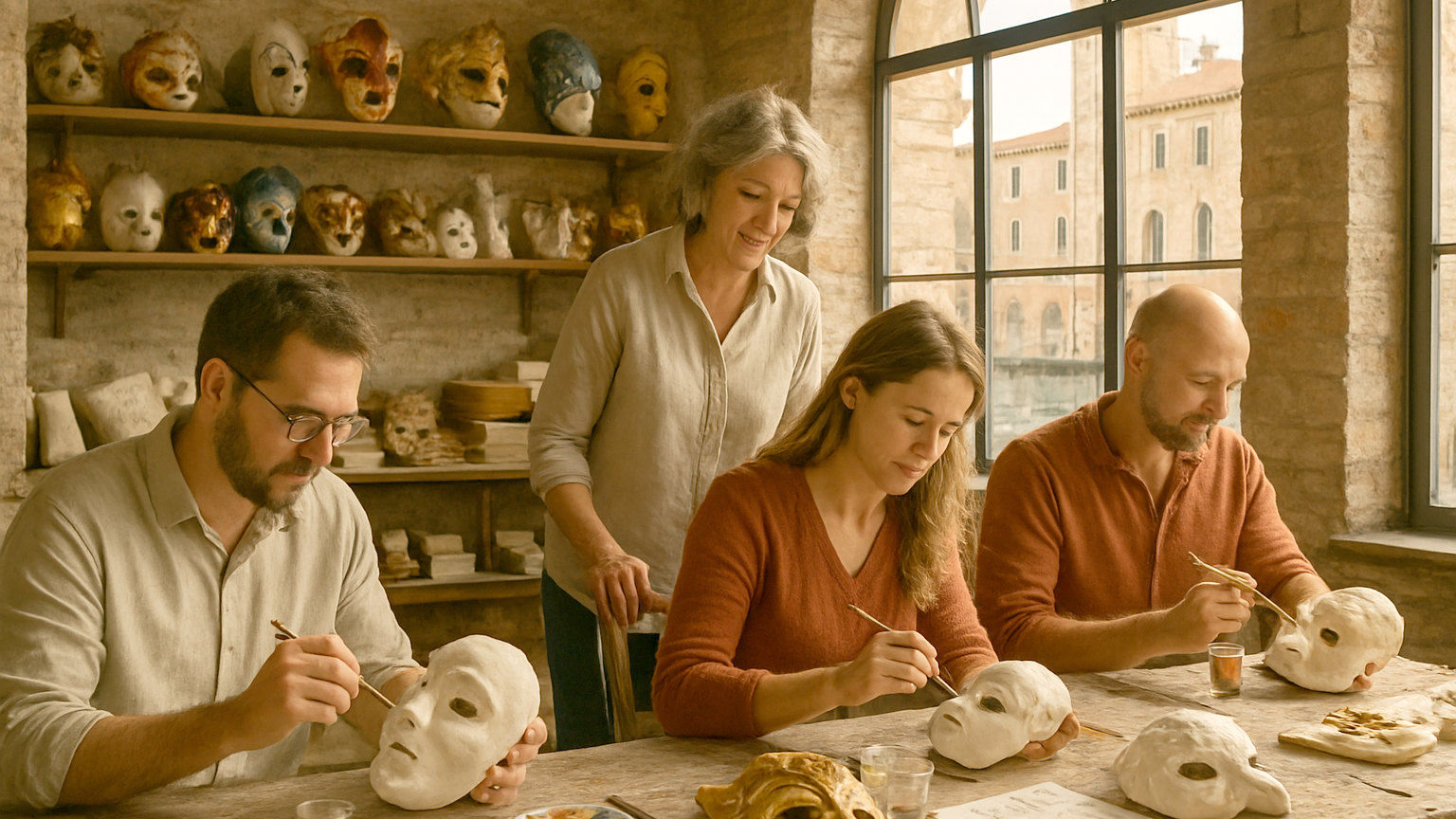
A half day learning something local gives you more of a place than a week of looking at it, and most courses cost less than a good dinner.
A short list of things genuinely sell out and most of the rest can be left, and over-booking a trip costs more than it saves.