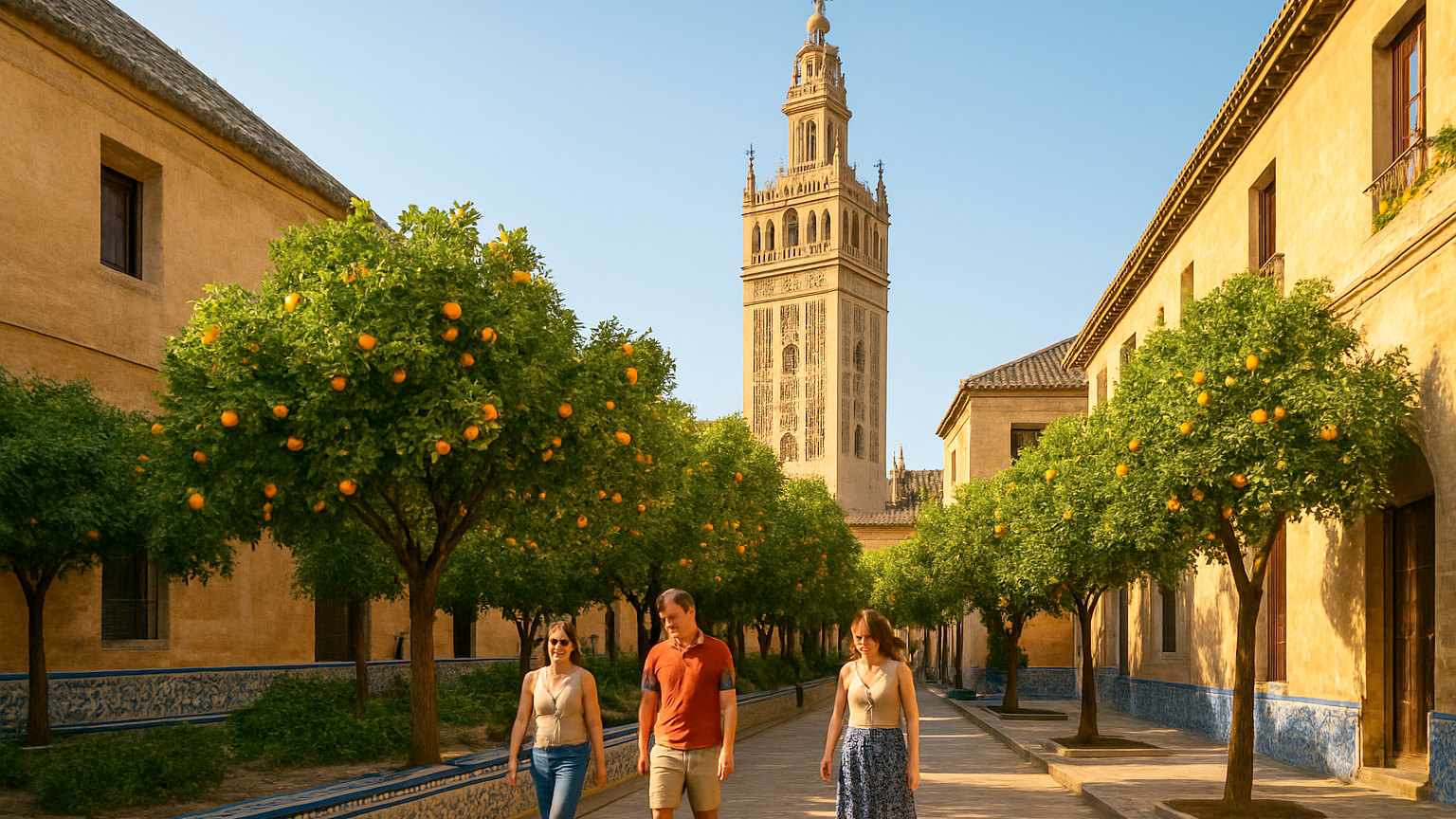
Seville City Guide: Alcazar, Cathedral and Barrios
Seville has the best single building in Spain and summer temperatures that make sightseeing impossible. When to go and what to book.
Europe’s great cities in two, three and four nights — what to see, what to skip, where to base yourself.
Seville has the best single building in Spain and summer temperatures that make sightseeing impossible. When to go and what to book.
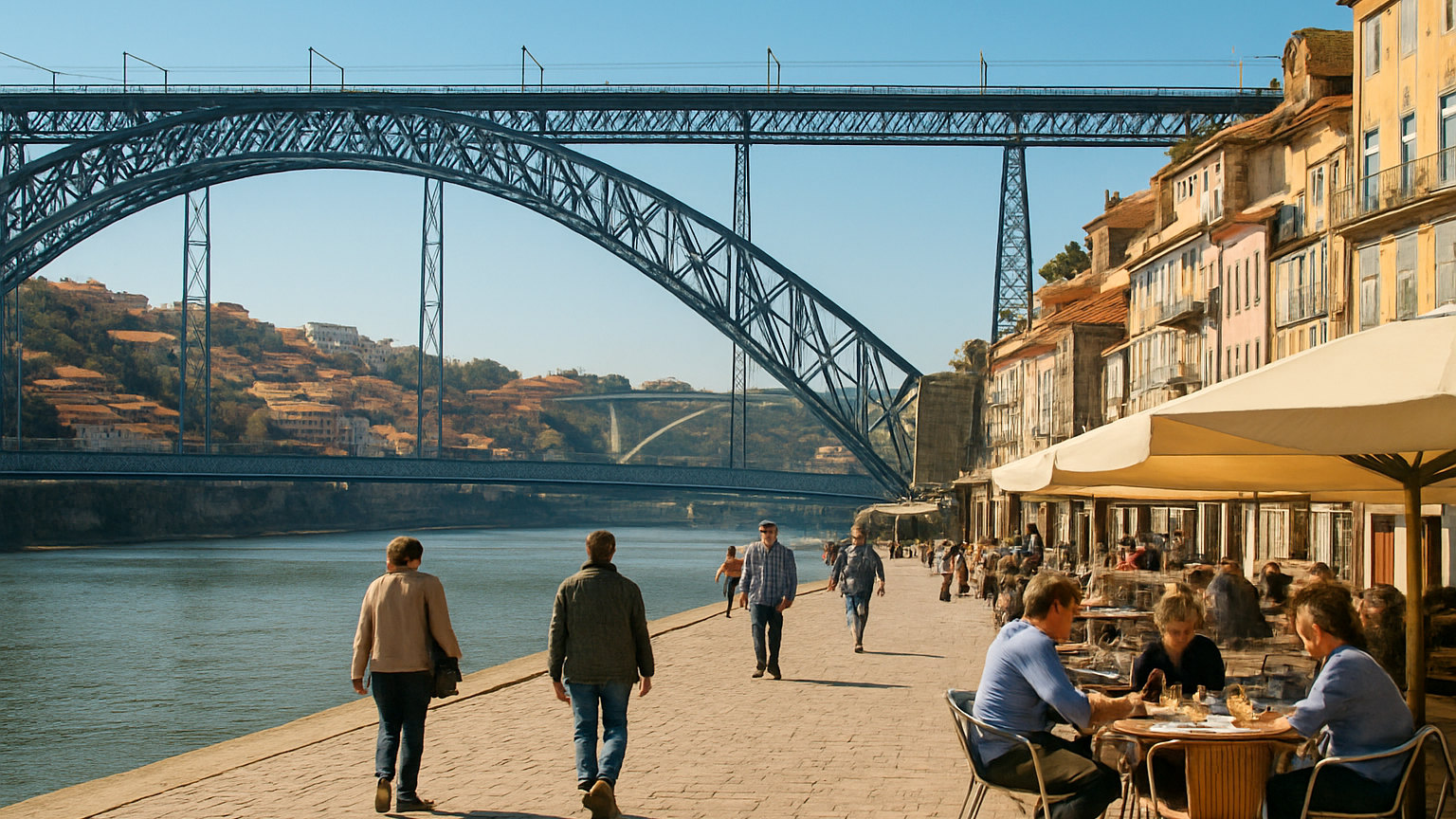
Porto is smaller and steeper than Lisbon and can be seen properly in three nights, which makes it one of the best short breaks in Europe.
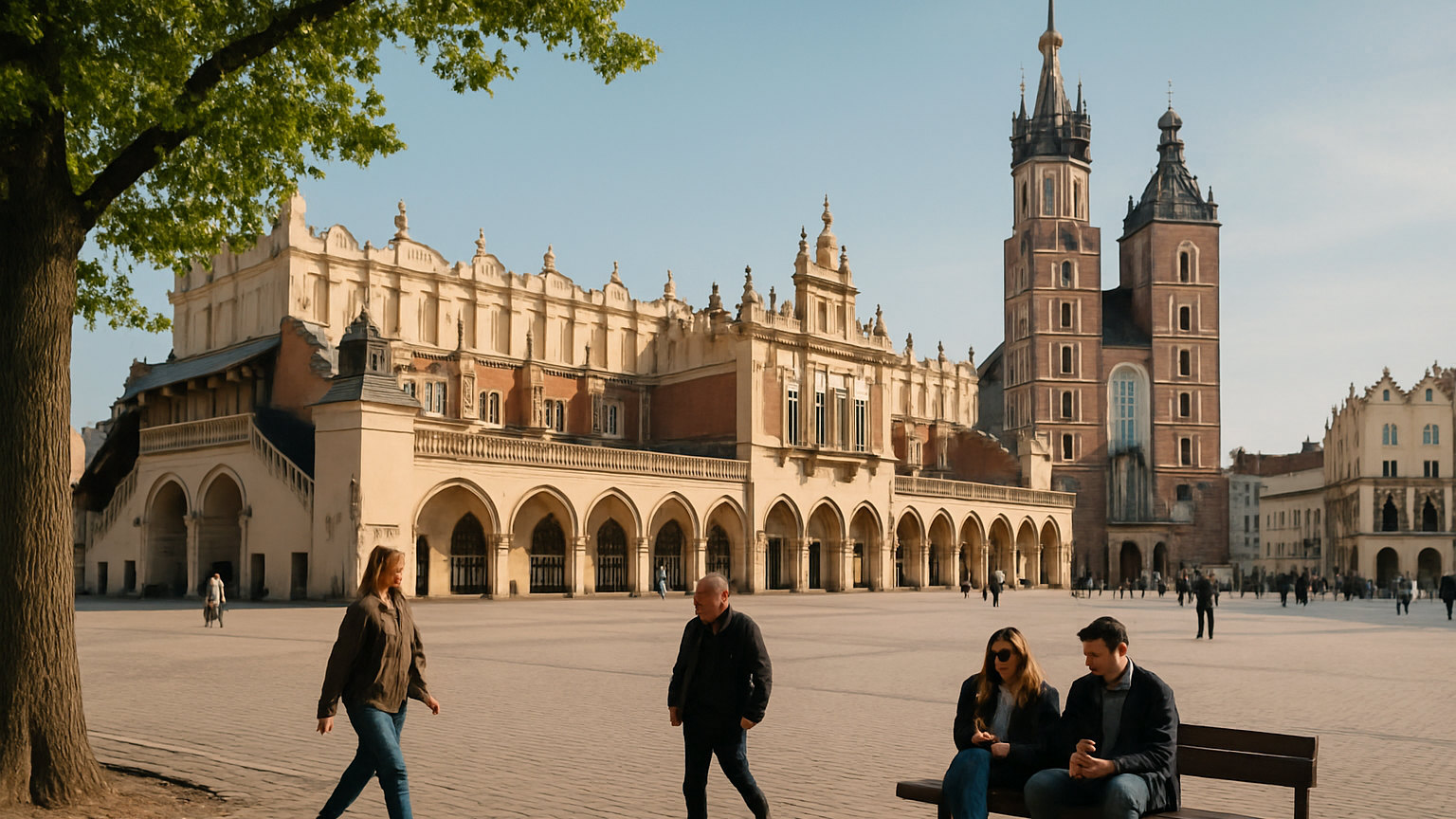
Krakow has the largest medieval square in Europe and two excursions that need booking months ahead. What to see and how to plan around them.
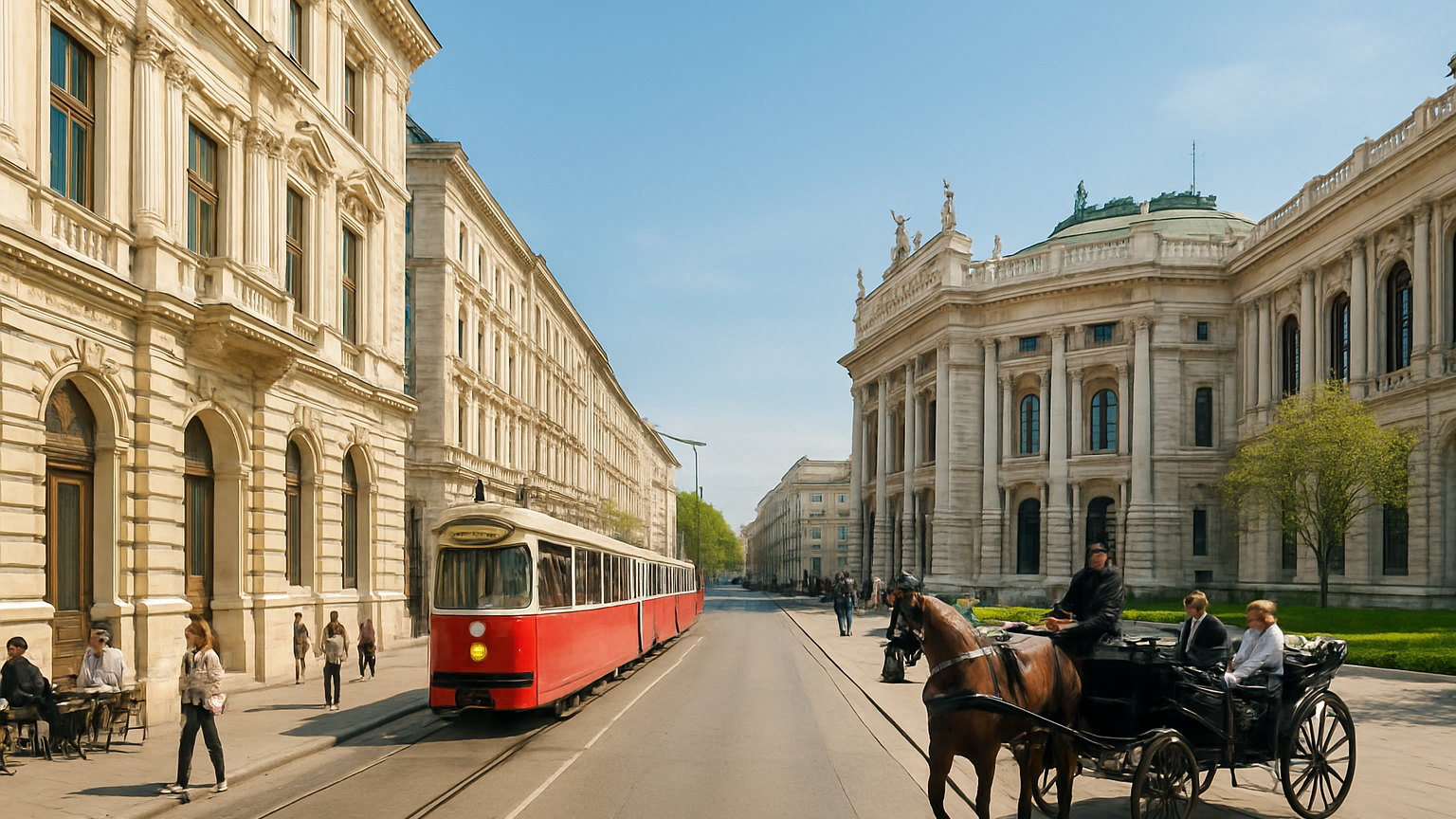
Vienna is the grandest city in central Europe and the coffee house tradition is a genuine institution rather than a marketing line. Where to start.
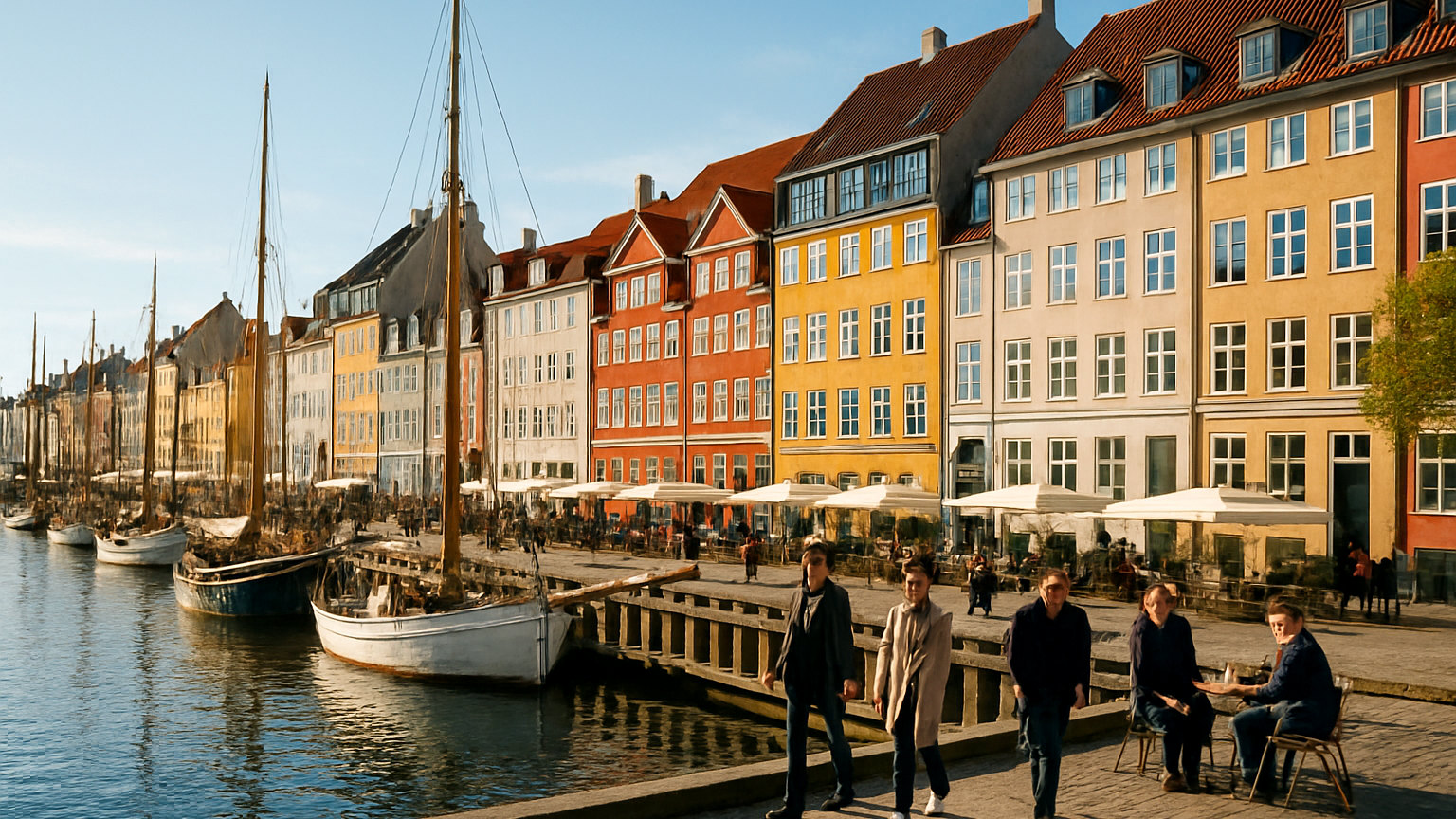
Copenhagen is expensive, flat and built for cycling, and it has more genuinely good restaurants for its size than almost any European capital.
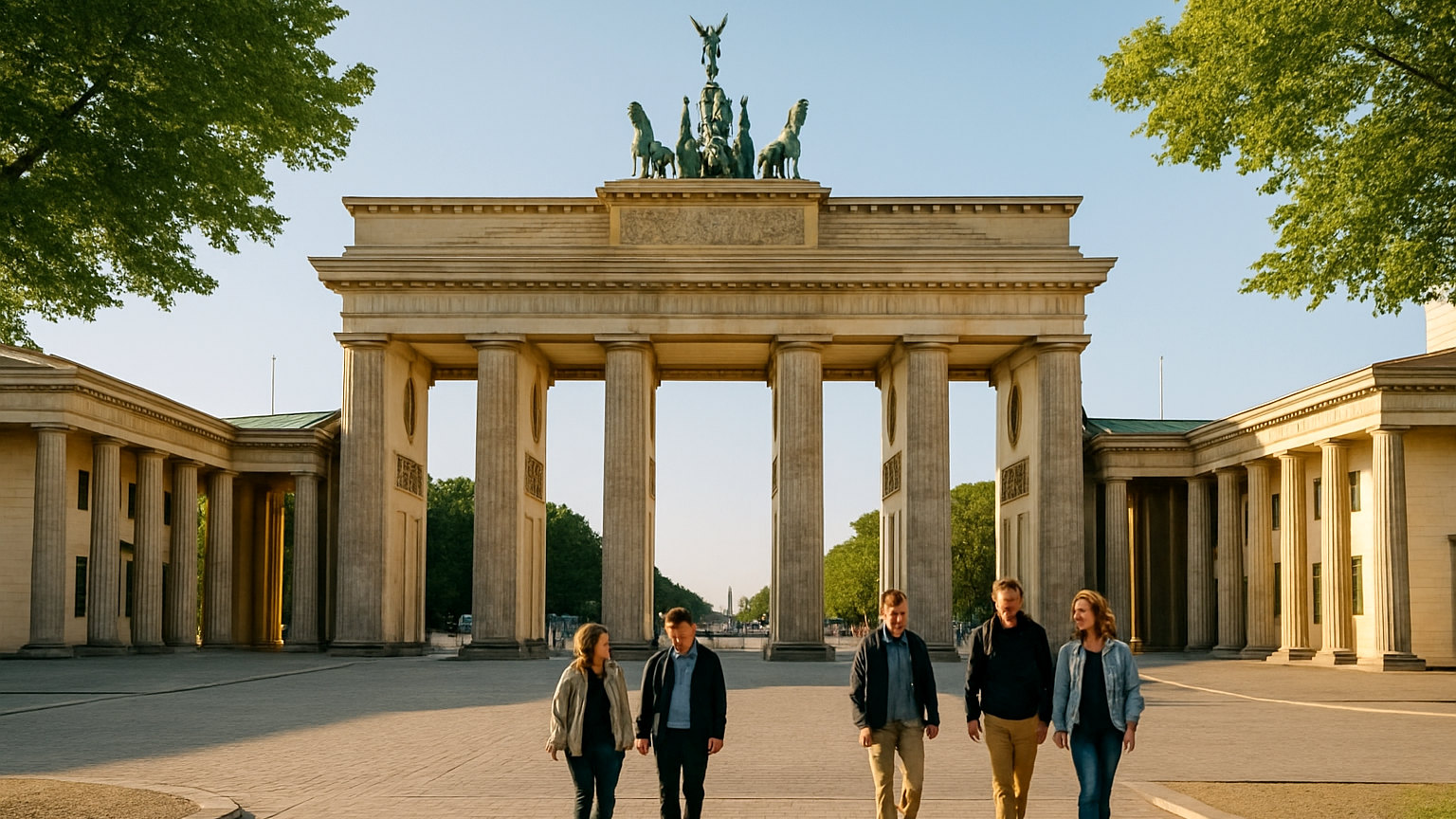
Berlin is the cheapest major capital in western Europe and the least pretty, and the history is what people come back for. Where to start.
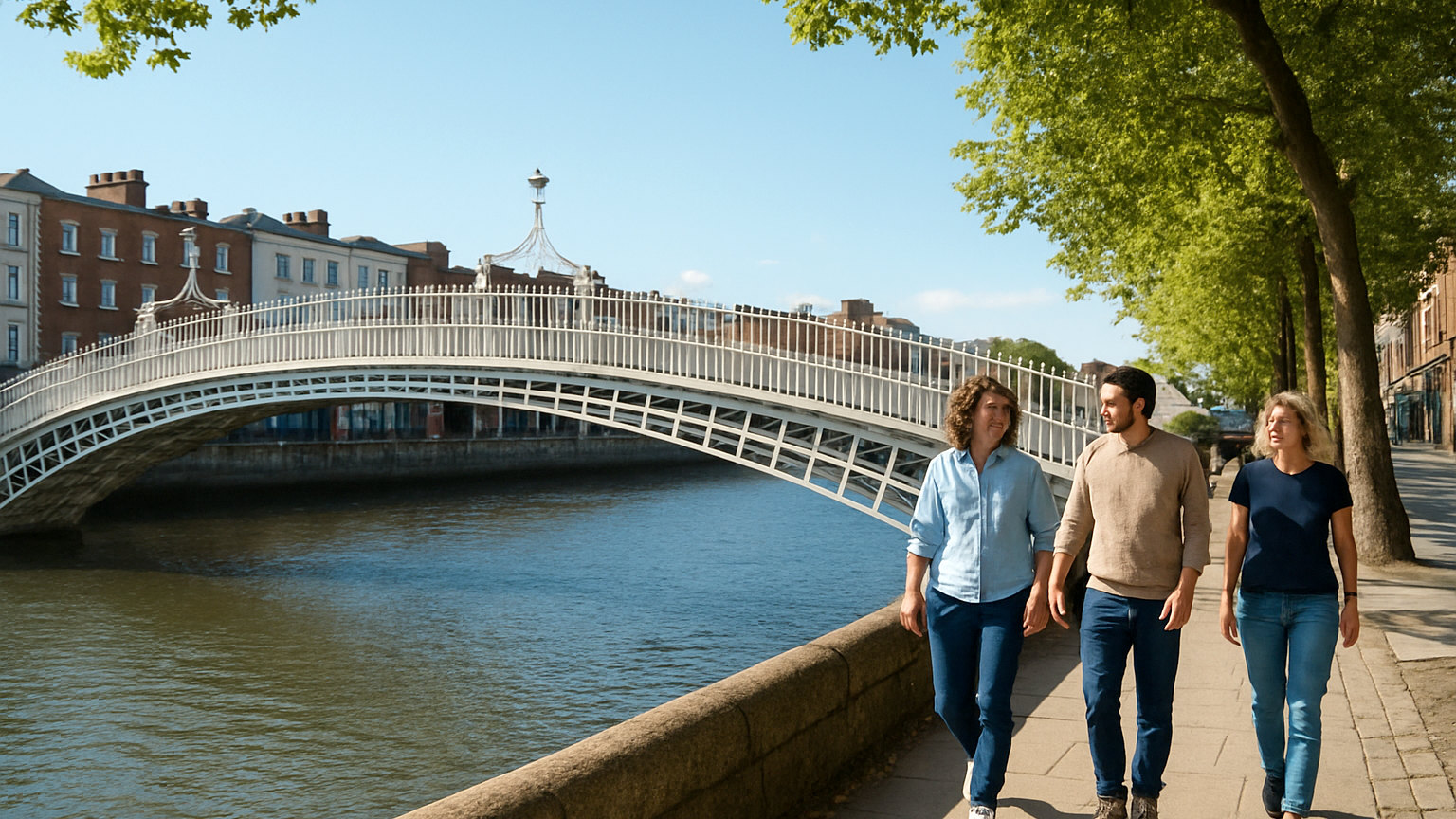
Dublin is compact, expensive and best used as the start of a trip rather than the whole of it. What is worth your time in two days.
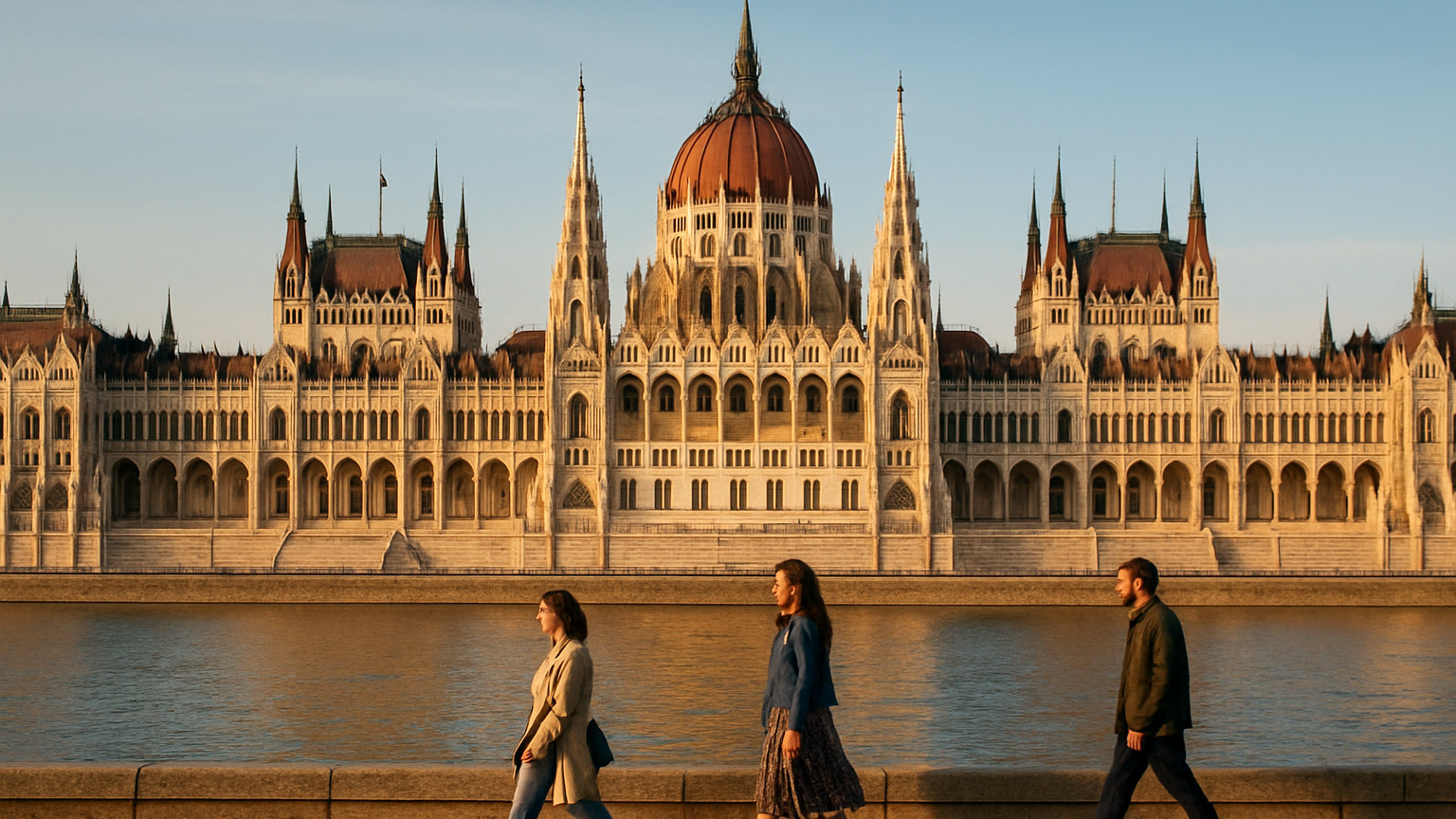
Budapest is two cities either side of the Danube, with thermal baths that are the best reason to go and a parliament building that is the best to look at.
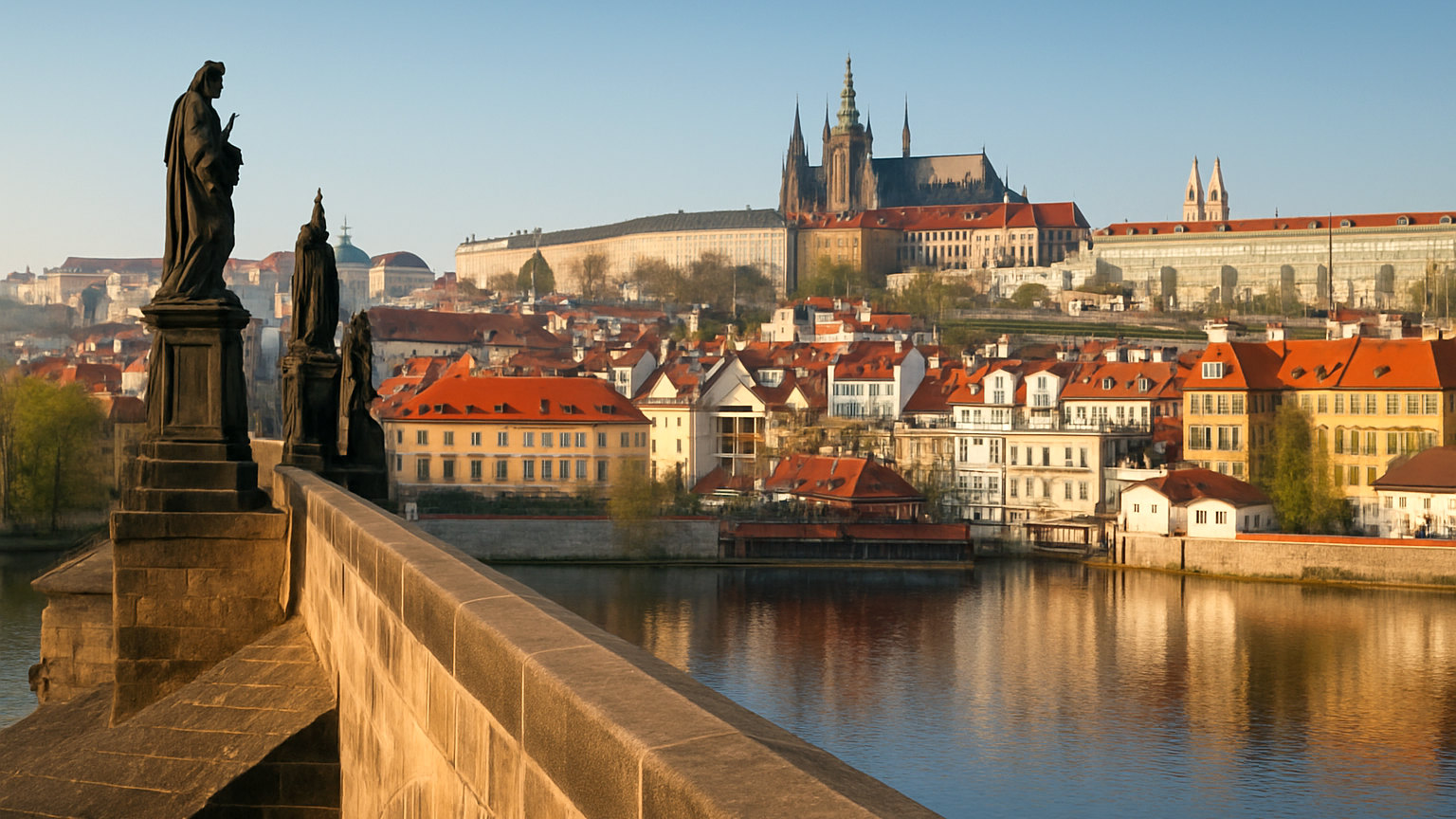
Prague survived the war intact and is now one of the most visited cities in Europe. How to see the centre without spending the day in a crowd.
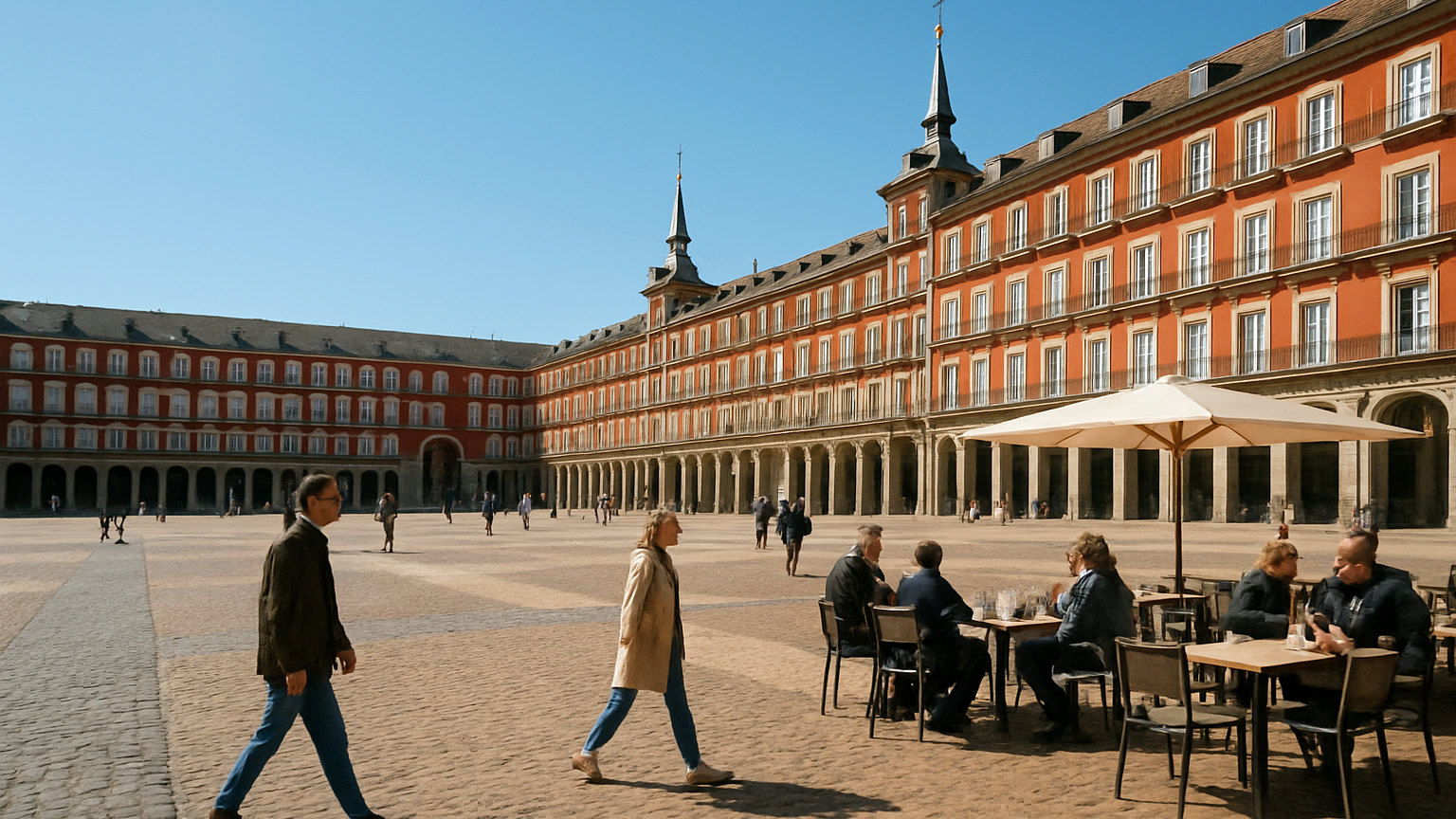
Madrid has no beach and no famous single monument, and it has the best art in Spain and the best eating. Why it rewards a longer stay.
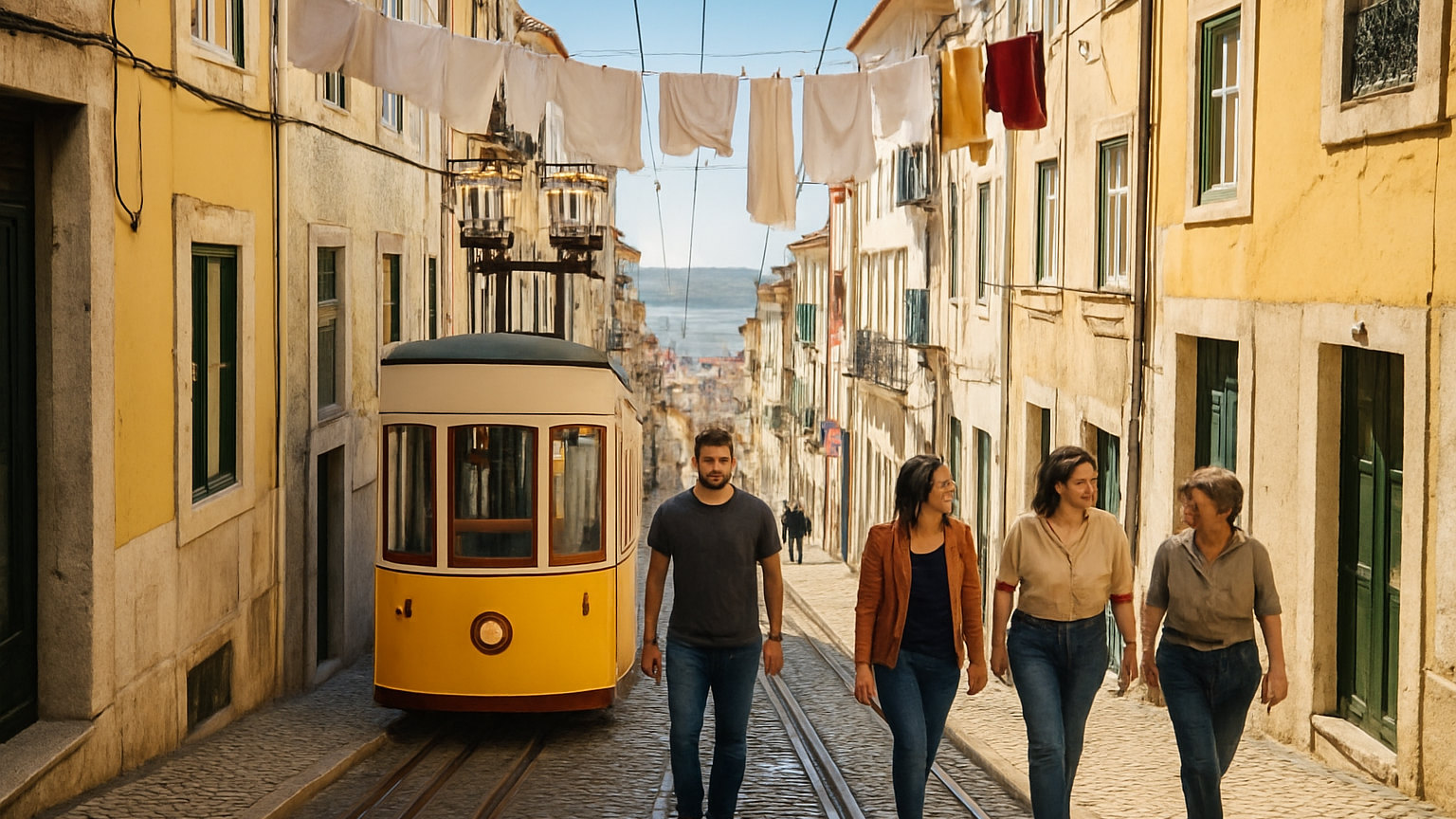
Lisbon is built over seven steep hills and the climbs catch people out. Which districts to base in and what is genuinely worth the queue.
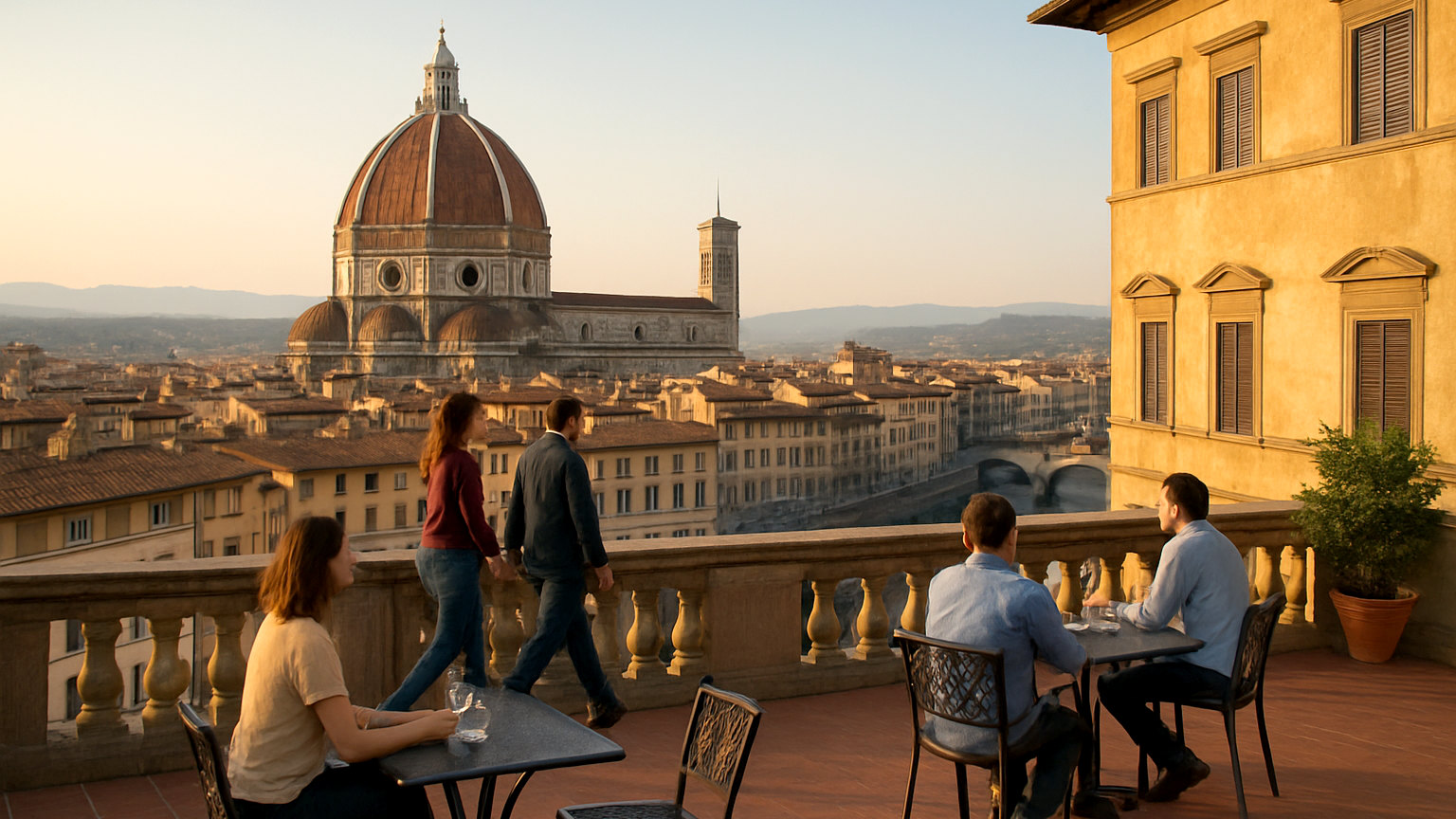
Florence is the Renaissance in a walkable square mile, and its two great museums both need booking. What to prioritise in a short stay.