Which Weekend Breaks Do Not Need a Flight?
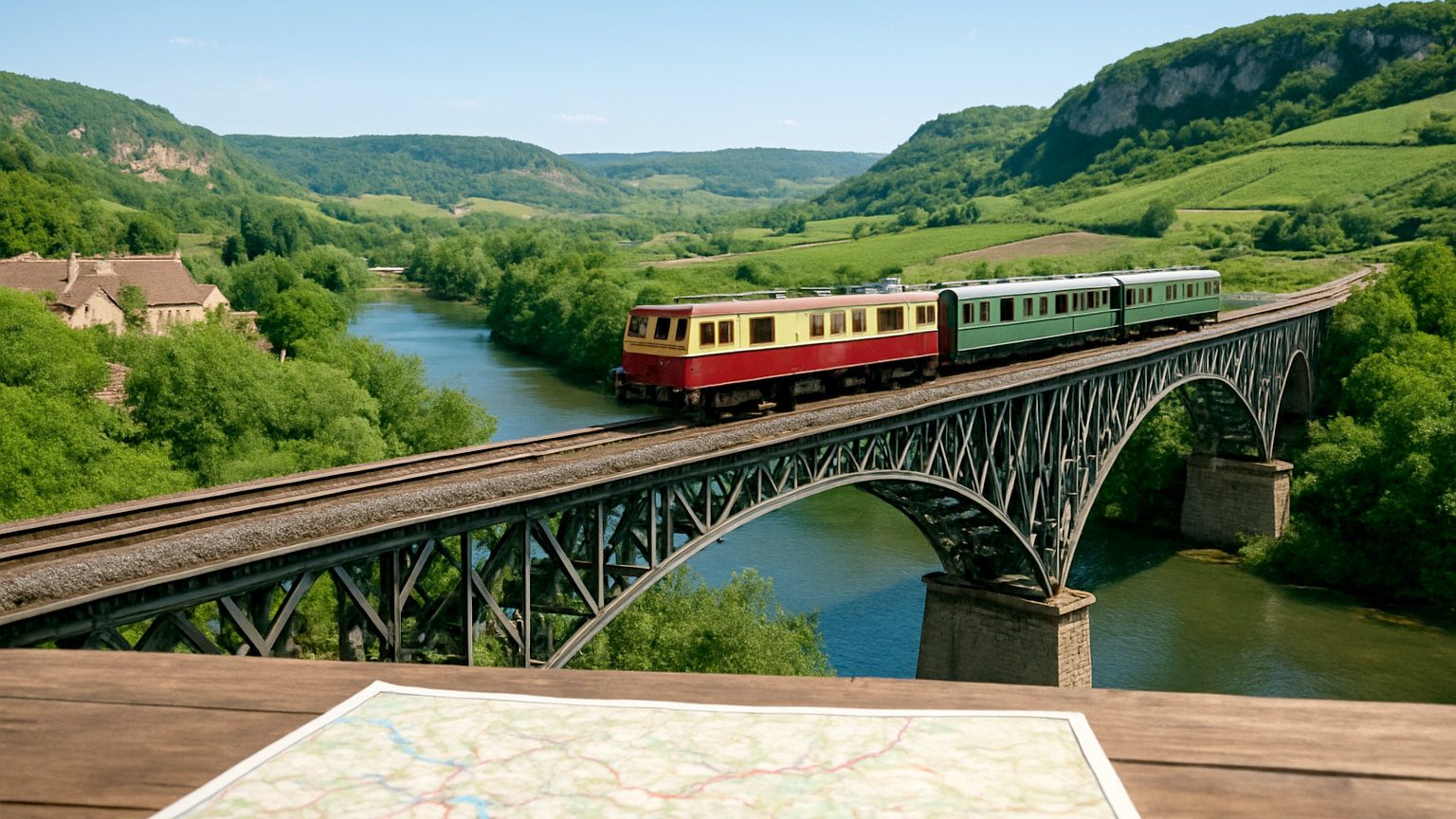
Rail and ferry reach a surprising amount of Europe from Britain in a weekend, and several routes deliver you to the centre rested.
By European Destinations Team
22 Apr 2026

This is the section for when you know you want to go somewhere and have no idea where. Best-of lists, but written by someone who has had to make the decision: the beaches that are worth the drive, the weekend breaks that work in two nights, the road trips that are actually a good drive rather than a good map, and itineraries you can lift straight into a booking. Every list says why something made it and what it beat, and each one covers the practical end too — how to get there, what it costs and when to go.
Rail and ferry reach a surprising amount of Europe from Britain in a weekend, and several routes deliver you to the centre rested.
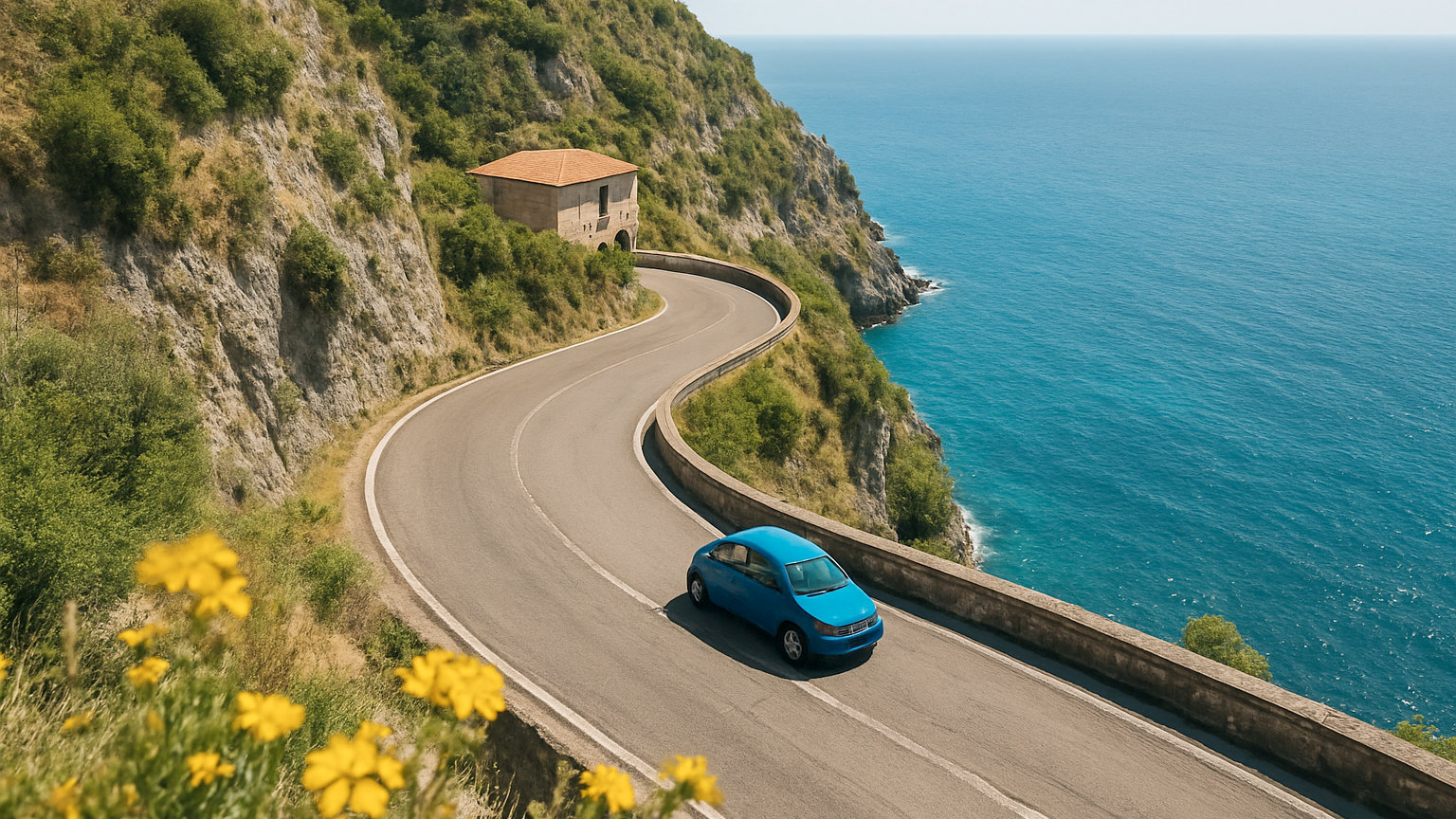
Three hours of driving is the point at which a road trip stops being a holiday, and mountain roads take twice as long as the map says.
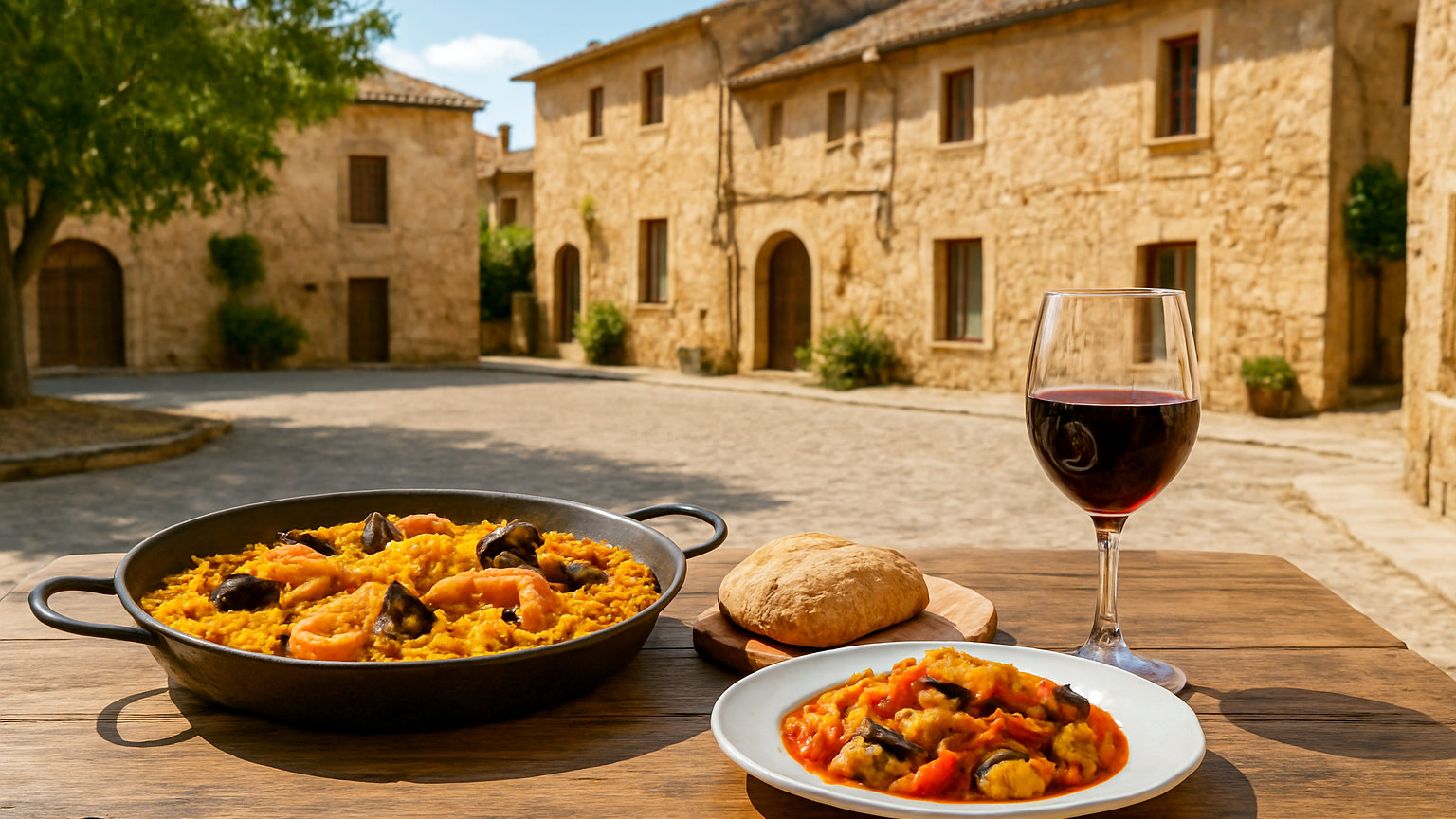
Some European dishes are only properly made in one place, and eating them there is a reasonable reason to go.
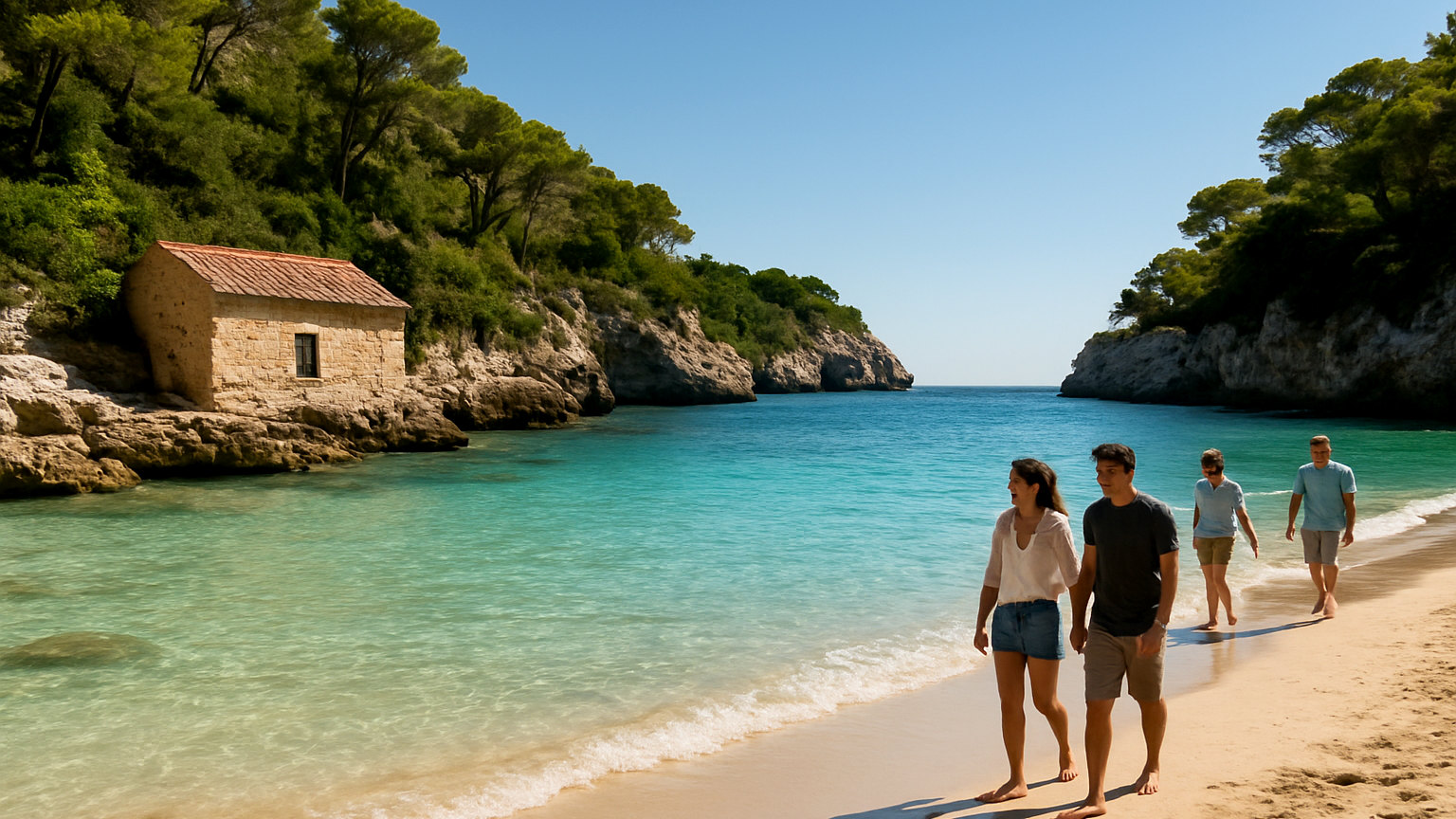
The best swimming beaches have calm clear water and a sheltered aspect, which rules out most of the dramatic ones.
A fortnight is where a region becomes possible, and the successful shape is usually three or four bases with a rest in the middle.
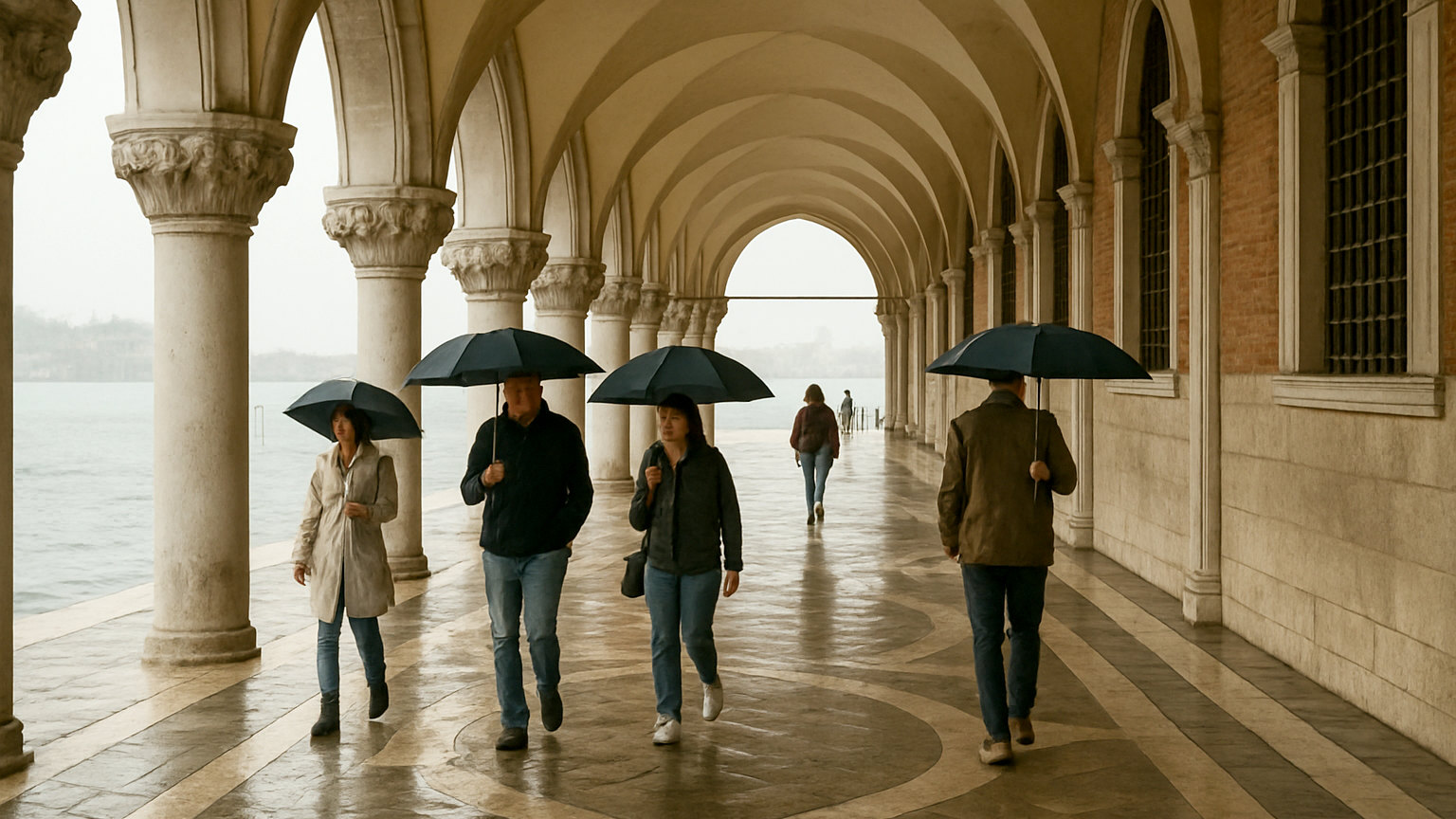
A wet day in Europe is an opportunity rather than a loss, since almost everything indoors is emptier than usual.
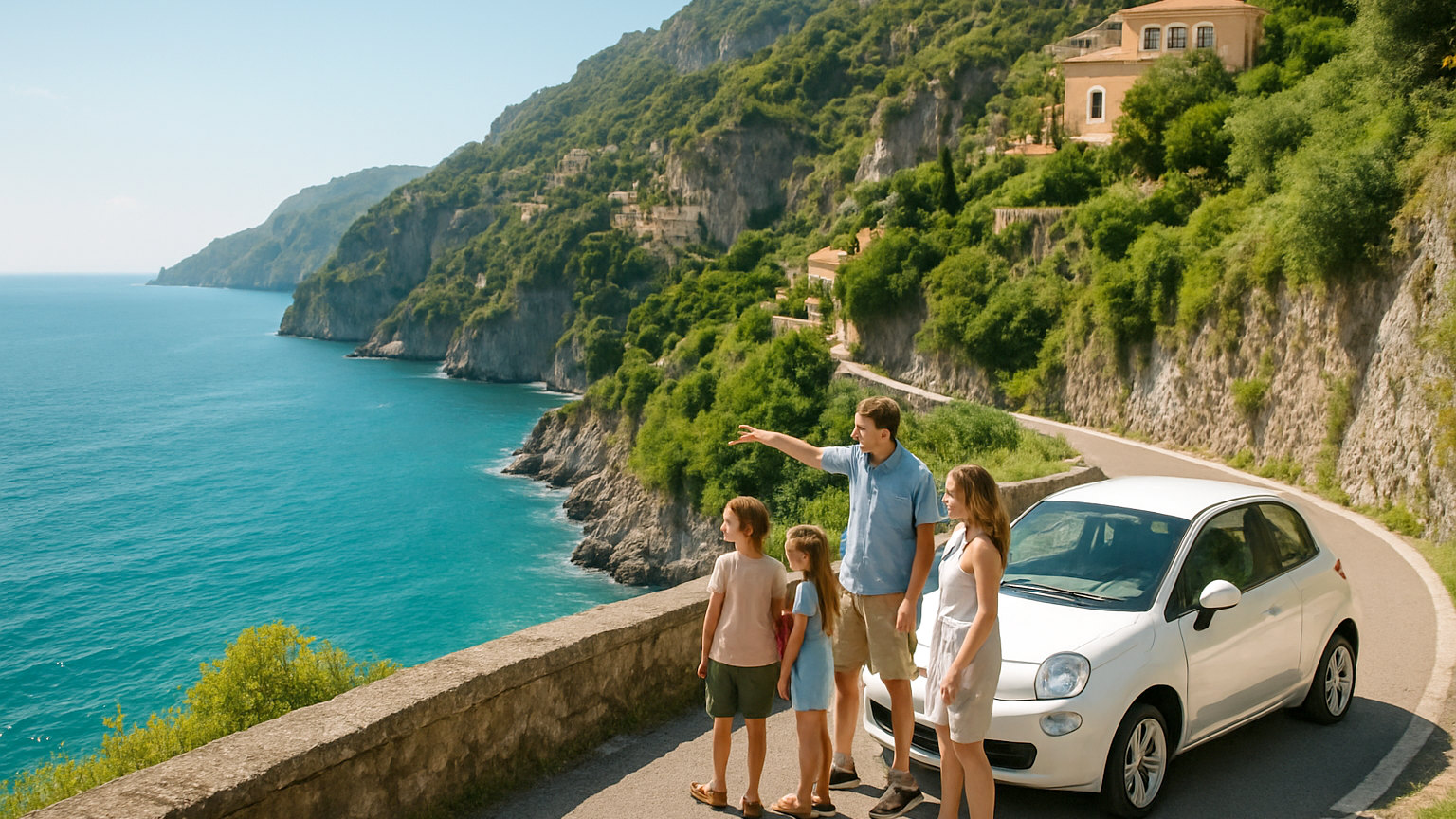
A family road trip works when the driving is short and the stops are frequent, which rules out several of the famous routes.
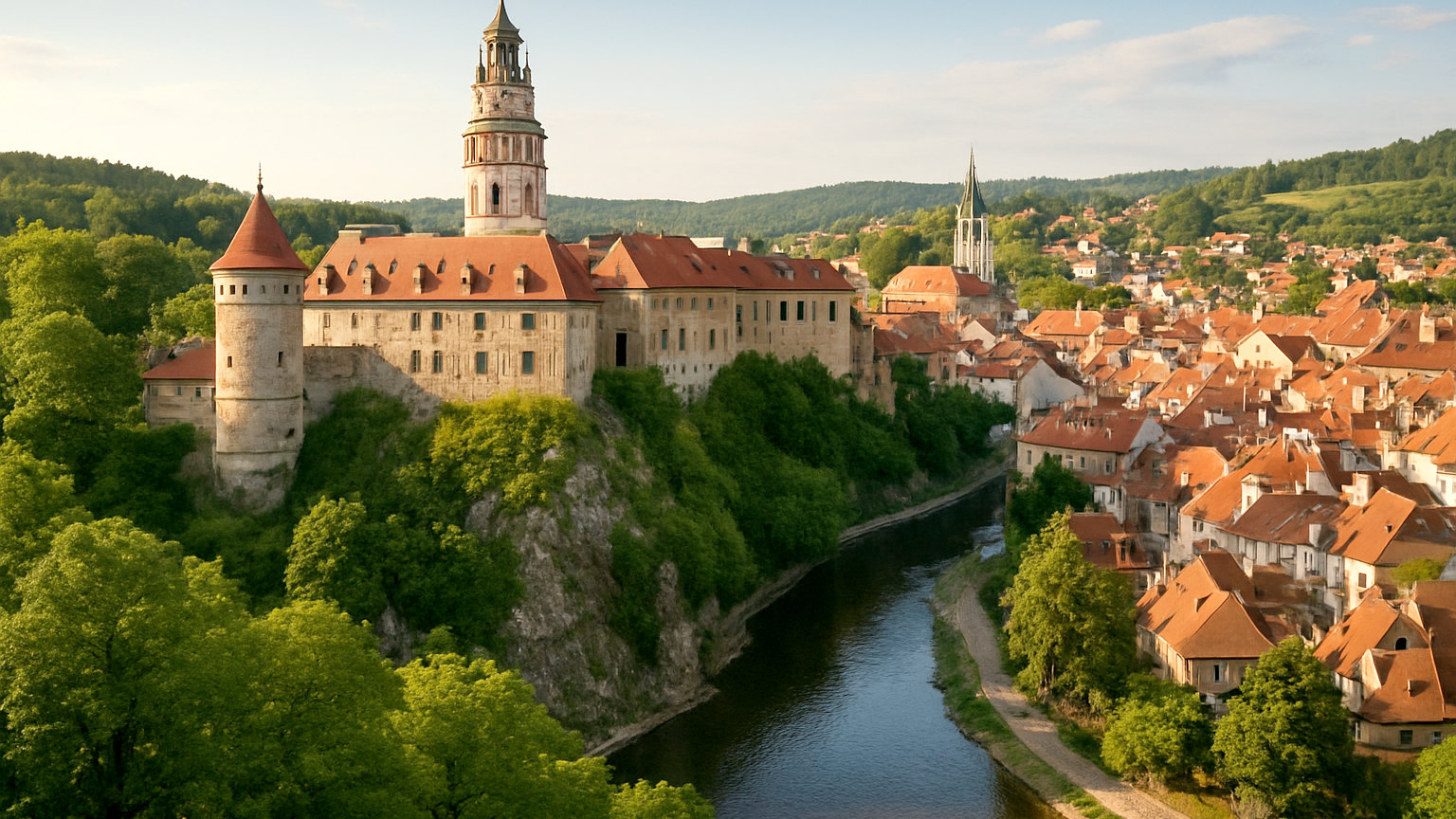
Europe has thousands of castles and they divide into three kinds, only one of which is what most people are imagining.
A trip where everyone wants something different works if the days are divided rather than the compromises averaged.
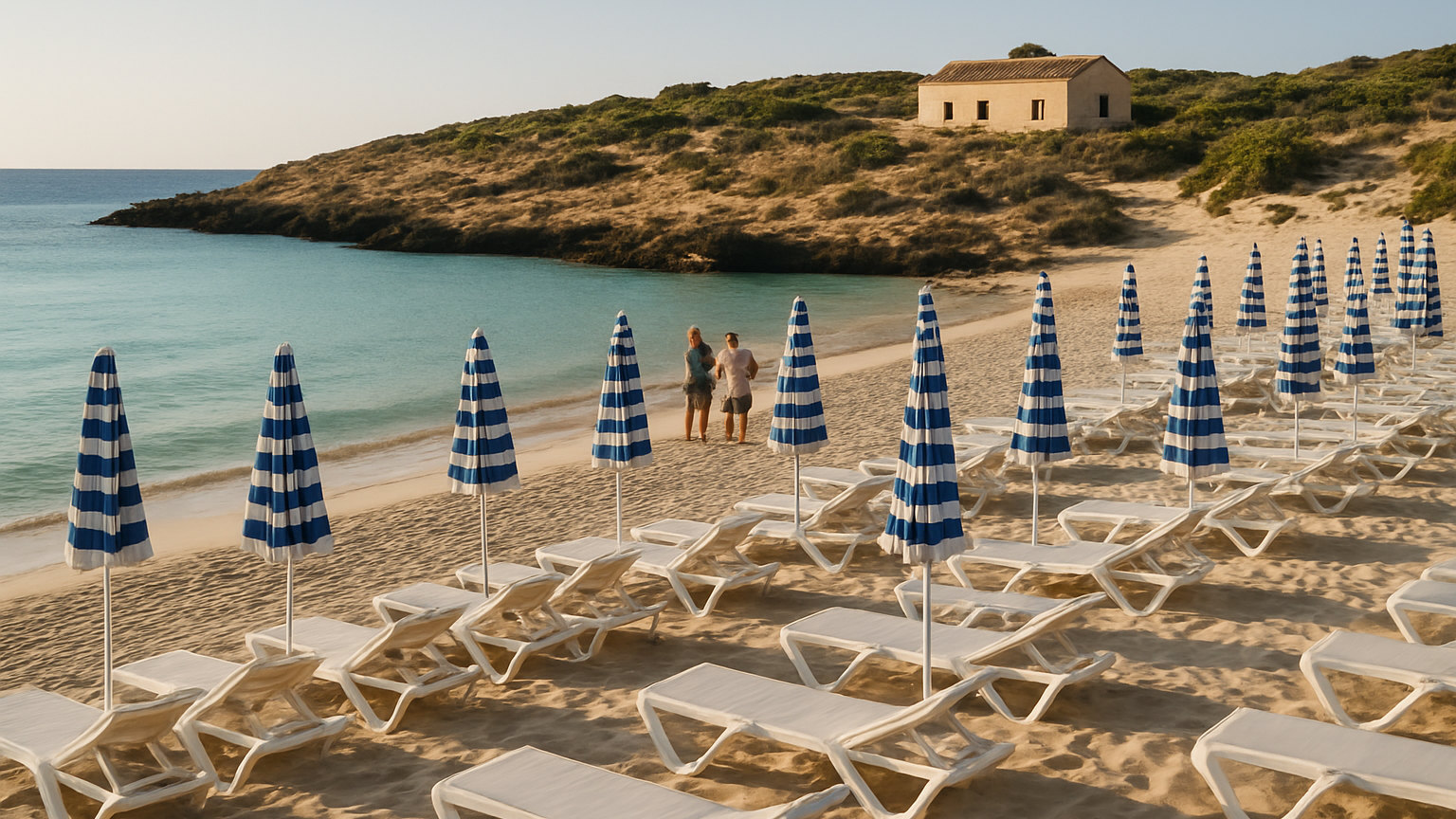
Large stretches of Italian and Spanish coast are run as concessions, and knowing how they work saves money and confusion.
A food market is the fastest way to understand what a region eats, and the good ones are working markets rather than attractions.
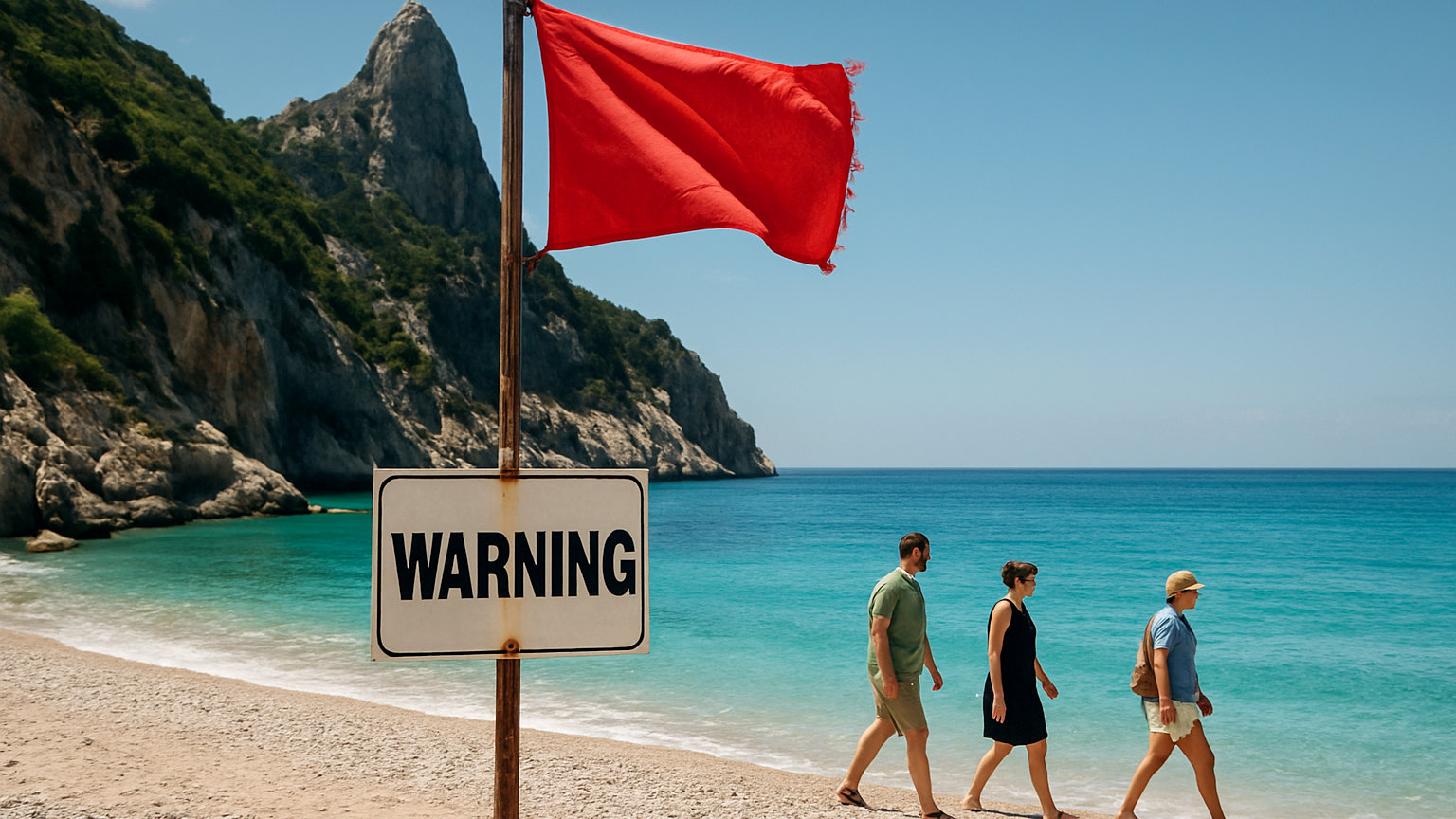
The flag system is broadly standard across Europe and widely ignored, and red means the sea is genuinely dangerous that day.